Quote · Added 14 February 2026
Art is I; science is we.
No ratings yet
Filed underart·identity·collaboration
Quote · Added 14 February 2026
Filed underart·identity·collaboration
There's something deeply true in this distinction, even if it sounds a bit romantic at first. Science builds itself through collaboration, peer review, and shared standards—one researcher's work only matters when others can replicate it, challenge it, verify it. The "we" isn't optional; it's the whole point. But art? Art often emerges from a single consciousness wrestling with something only it can see or feel. You can't committee-design authentic expression.
The modern twist is that this split isn't as clean as it sounds. Scientists are increasingly recognizing that the individual mind—the particular way one person sees a problem—still matters enormously. And artists, meanwhile, are creating through collaboration more than ever: remixing, sampling, building on each other's work in ways that look suspiciously scientific. Yet the core difference holds: science aims for universal truth that anyone could discover. Art aims for particular truth that only one person could create.
This matters for how we value different kinds of work. When you're struggling with your own project, asking whether you need external validation or permission to proceed, remember that different callings have different currencies. Some things need the group's stamp of approval. Some things just need you to finish them.
1813–1878·lived 64 years
Claude Bernard was a French physiologist born on July 12, 1813, and he is often regarded as one of the founding figures of modern experimental medicine. He is best known for his work on the concept of the internal environment and for advancing the understanding of the role of the pancreas and liver in digestion and metabolism. Bernard's pioneering methods in scientific experimentation laid the groundwork for future biomedical research.
Also by Claude Bernard
It is what we know already that often prevents us from learning.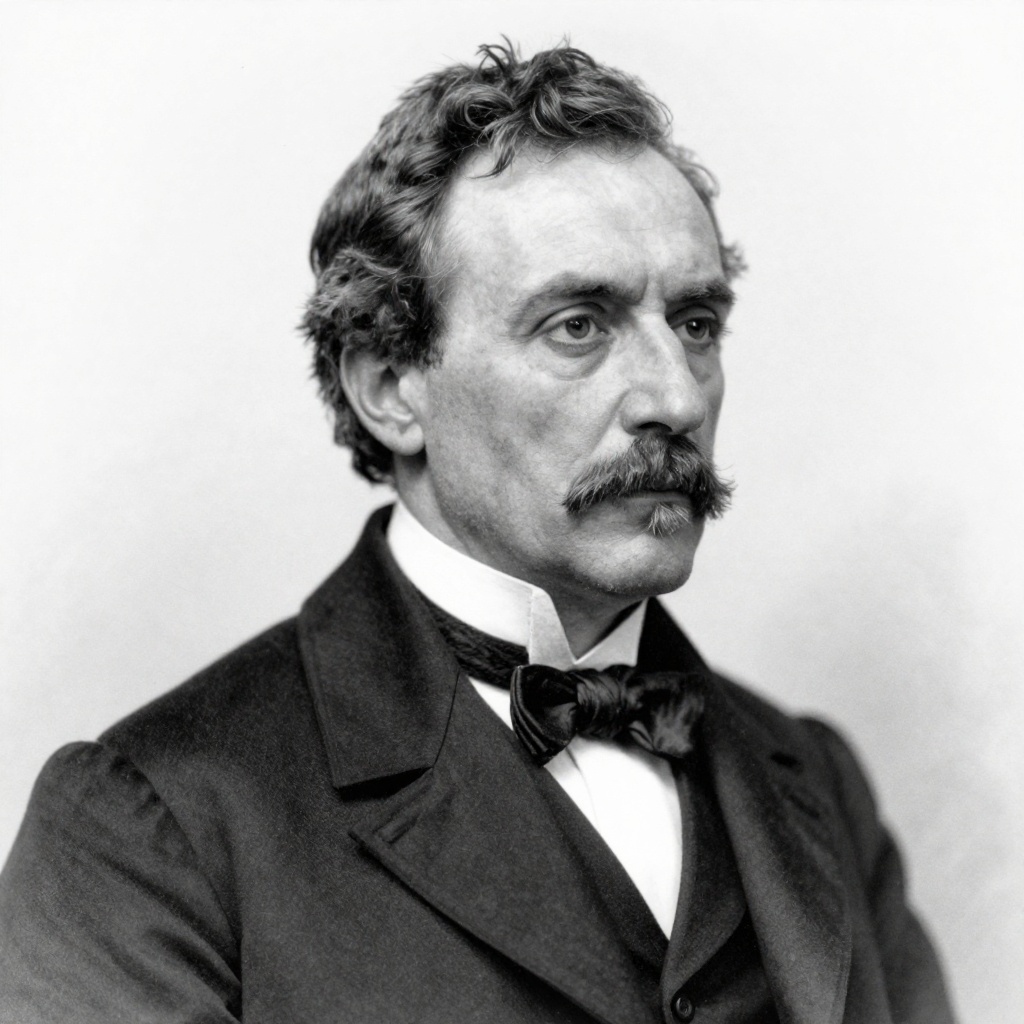
Comments