Quote · Added 14 February 2026
We fear things in proportion to our ignorance of them.
No ratings yet
Filed underfear·ignorance·understanding
Quote · Added 14 February 2026
Filed underfear·ignorance·understanding
Most of us think fear comes from genuine danger, but actually it often comes from the fog. When you don't understand something—how your health works, how someone thinks, what a situation really involves—your mind fills in the blanks with worst-case scenarios. That's why new parents obsess over every rash, why we dread public speaking more than we fear actual harm, why unfamiliar technology feels threatening until we learn it.
The practical insight here is that ignorance and fear form a feedback loop. The less you know, the more you imagine, and the more you imagine, the scarier things become. But this also means fear has a built-in solution. Learning doesn't eliminate all legitimate caution, but it replaces fantasy with reality, and reality is usually less terrifying than what we invented. This is why the most confident people in any field aren't reckless—they've simply educated the fear away. They know what can actually go wrong, which turns out to be much more manageable than everything their imagination conjured up.
1820–1904·lived 84 years
Christian Nestell Bovee was an American author, lawyer, and aphorist, born in 1820. He is known for his book "Intuitions and Summaries of Thought," which is a collection of his insightful and philosophical aphorisms that explored various aspects of life, love, and human nature. Bovee's aphorisms are famous for their eloquence and thought-provoking nature, making him a respected figure in the field of literature and philosophy.
Also by Christian Nestell Bovee
Music is the fourth great material want, first food, then clothes, then shelter, then musi...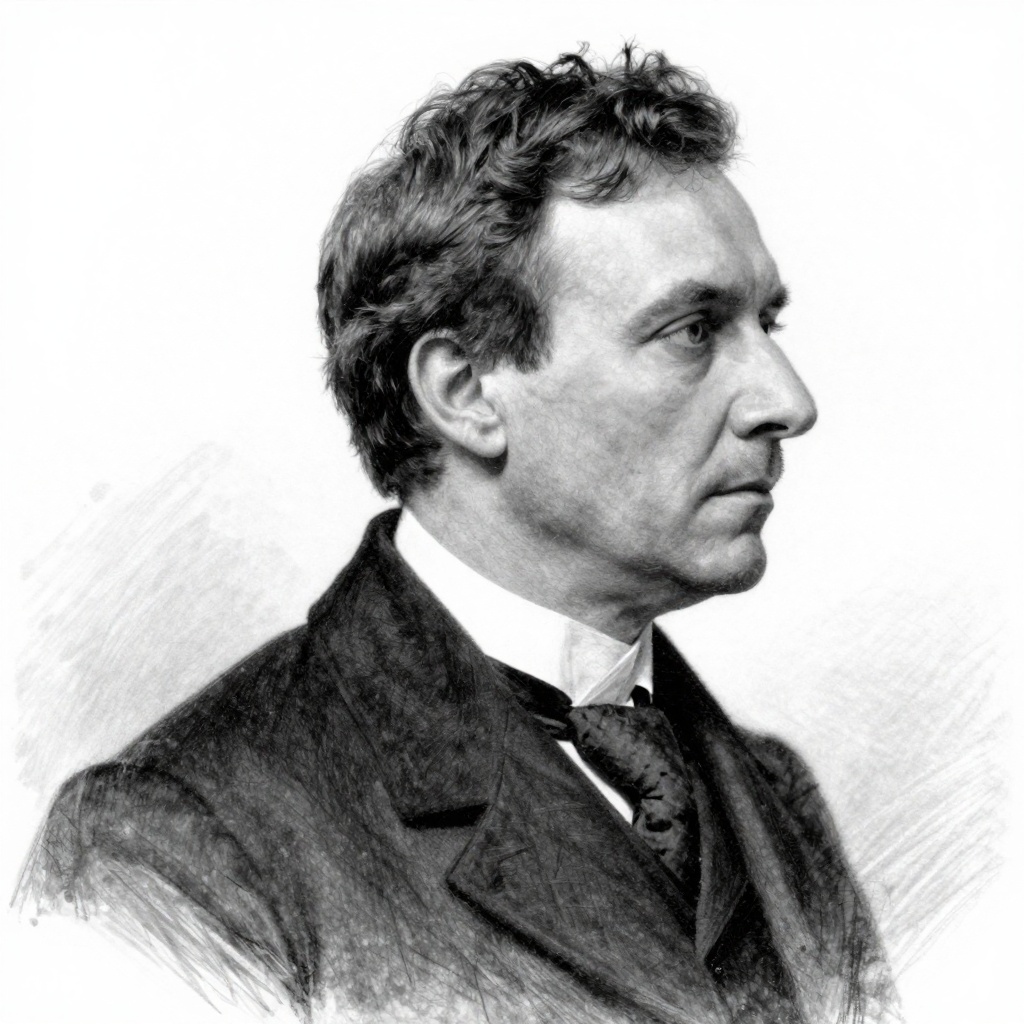
Comments