Quote · Added 14 February 2026
Music is the fourth great material want, first food, then clothes, then shelter, then music.
Christian Nestell BoveeIntuitions and Summaries of Thought, p. 45, 1857
No ratings yet
Quote · Added 14 February 2026
We usually think of music as a luxury—something nice to have once the serious stuff is handled. But this quote flips that: it suggests music isn't decoration on top of a completed life, but something as fundamental as eating or staying warm. And if you really watch yourself, you can see the truth in it. People will skip meals to afford concert tickets. They'll sit in uncomfortable rooms if the sound system is good. They'll spend money they don't quite have on instruments or headphones because silence feels wrong.
The tricky part is that music scratches an itch we can't quite name. Unlike food or shelter, it doesn't keep us alive—yet somehow it keeps us functioning. It's the difference between existing and living. When things are hard, a particular song can reset your nervous system in seconds. When things are good, music amplifies them into something worth remembering. We're not being frivolous when we prioritize it alongside survival.
What makes this insight still sharp today is how often we apologize for valuing music. We frame it as self-care or therapy, as though we need permission to want it. Maybe the real point is simpler: if you're spending real energy, real time, real money on music, you're not indulging—you're feeding something that your life genuinely requires.
1820–1904·lived 84 years
Christian Nestell Bovee was an American author, lawyer, and aphorist, born in 1820. He is known for his book "Intuitions and Summaries of Thought," which is a collection of his insightful and philosophical aphorisms that explored various aspects of life, love, and human nature. Bovee's aphorisms are famous for their eloquence and thought-provoking nature, making him a respected figure in the field of literature and philosophy.
Also by Christian Nestell Bovee
We fear things in proportion to our ignorance of them.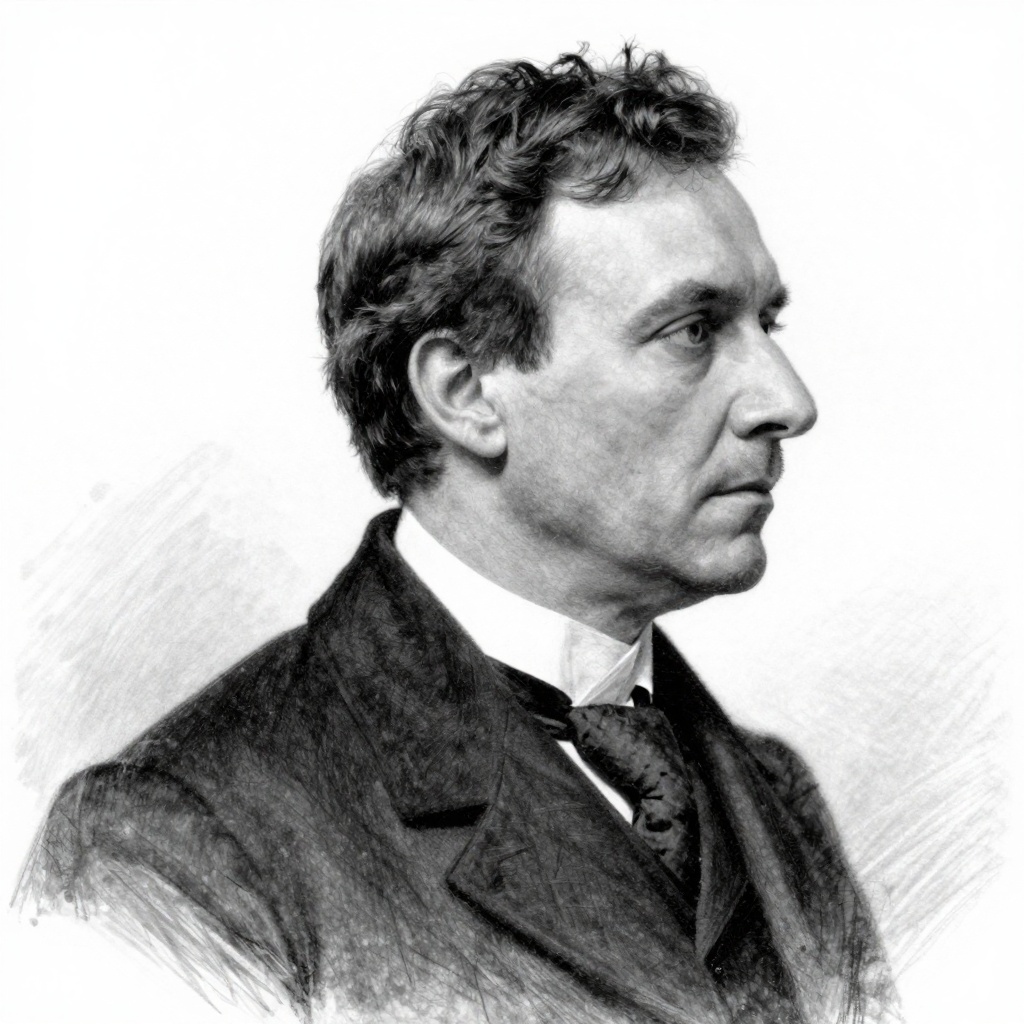
Comments