Quote · Added 15 February 2026
Reading
AI generatedAnalysis kills the moment
Most of us can recognize this trap in real time. We're sitting with someone we care about, and instead of just listening, we're mentally rehearsing what to say next. We're analyzing the conversation, rating our own performance, wondering if we said the right thing. Meanwhile, the actual moment—the human connection happening right in front of us—slips away while we're in our heads.
This matters now more than ever, partly because we have so many tools for thinking and so few for feeling. We can research endlessly, optimize endlessly, debate endlessly. But none of that thinking moves us toward the people around us. Sometimes what's needed isn't a better argument or a more logical approach—it's just presence. The willingness to let something land emotionally before we've figured out what it means.
The tricky part is that feeling isn't the opposite of thinking; it's what thinking without feeling misses. A gut instinct, a moment of genuine concern, the impulse to help without calculating the benefit—these aren't anti-intellectual. They're actually a form of intelligence that pure analysis can't replace. The question isn't to think less, but to create space where thinking and feeling can work together.
The author
All 8 quotes by Charlie Chaplin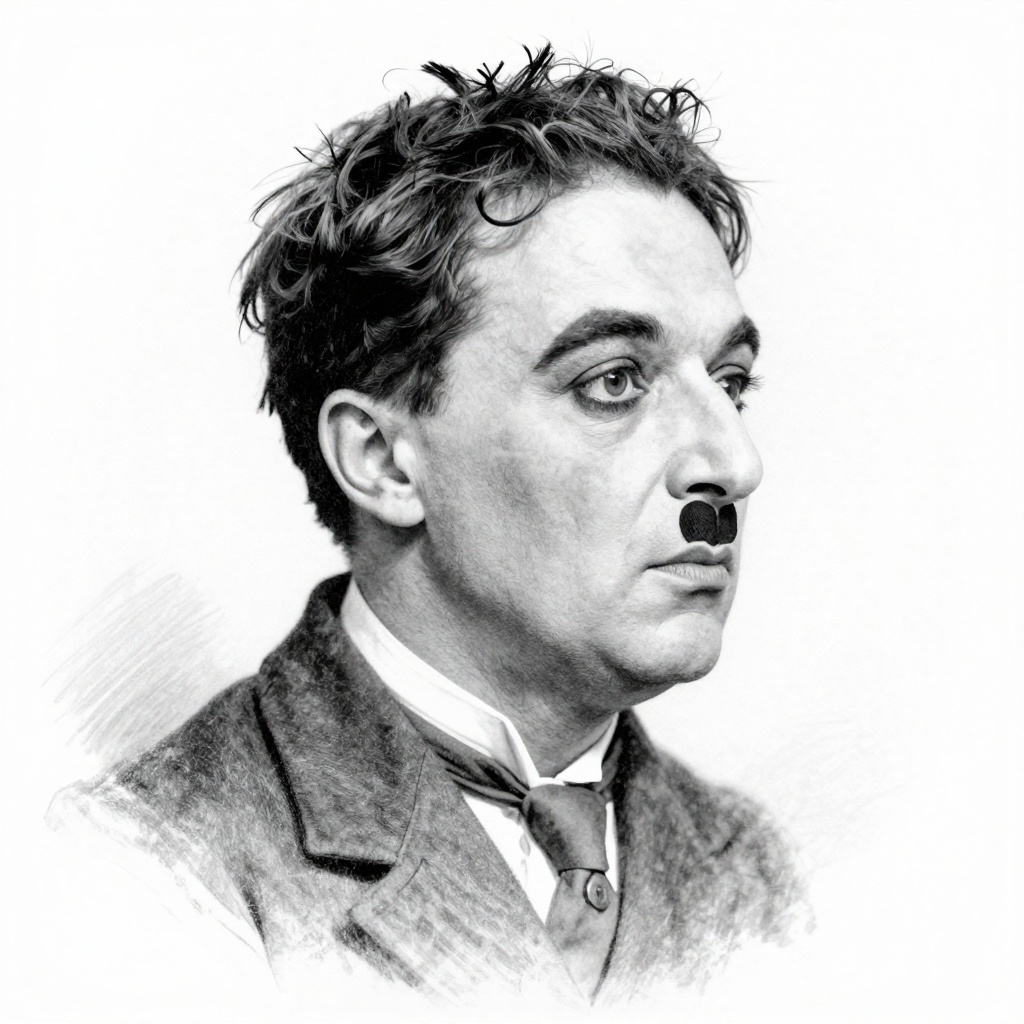
Charlie Chaplin
1889–1977·lived 88 years
Charlie Chaplin was a British actor, comedian, and filmmaker, best known for his iconic character "The Tramp." He was a pioneering figure in the early days of cinema and is regarded as one of the greatest silent film stars in history. Chaplin's work often combined humor with social commentary, making him a legendary figure in the world of entertainment.
Also by Charlie Chaplin
In the end, everything is a gag.
Comments