Quote · Added 17 February 2026
You’ll never find a rainbow if you’re looking down
Filed underrainbow·positivity·perspective
Quote · Added 17 February 2026
Filed underrainbow·positivity·perspective
We spend so much time managing problems—bills, emails, small disappointments—that we develop a permanent downward gaze. It becomes our default, this habit of scanning for what's wrong or what needs fixing. But the thing about rainbows is they only appear when you shift your perspective entirely. You have to look up and often in a specific direction, toward both the rain and the sun at once.
The practical insight here isn't that you should ignore your problems. It's that the same effort you spend on difficulty could also be redirected toward possibility. When you're stuck in a frustrating project, a relationship tension, or just a gray day, your mind actually does narrow. You stop noticing options because you're too focused on the obstacle directly in front of you. The person who gets unstuck is often the one who pulls back and looks at the bigger picture, the context where things might actually work out.
There's something almost defiant about looking up when circumstances tell you to look down. It's not denial—it's a kind of deliberate hopefulness that changes what you're capable of seeing and therefore what you're capable of doing next.
1889–1977·lived 88 years
Charlie Chaplin was a British actor, comedian, and filmmaker, best known for his iconic character "The Tramp." He was a pioneering figure in the early days of cinema and is regarded as one of the greatest silent film stars in history. Chaplin's work often combined humor with social commentary, making him a legendary figure in the world of entertainment.
Also by Charlie Chaplin
In the end, everything is a gag.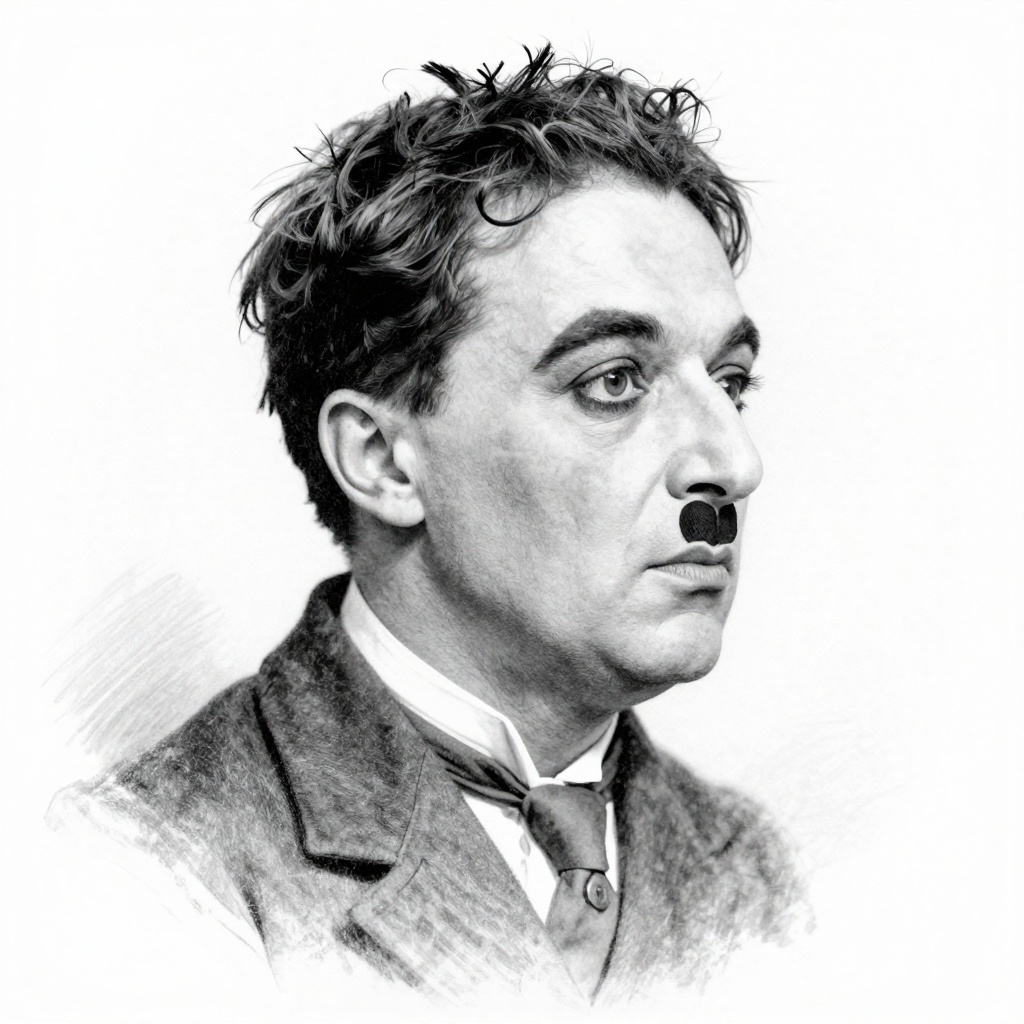
Comments