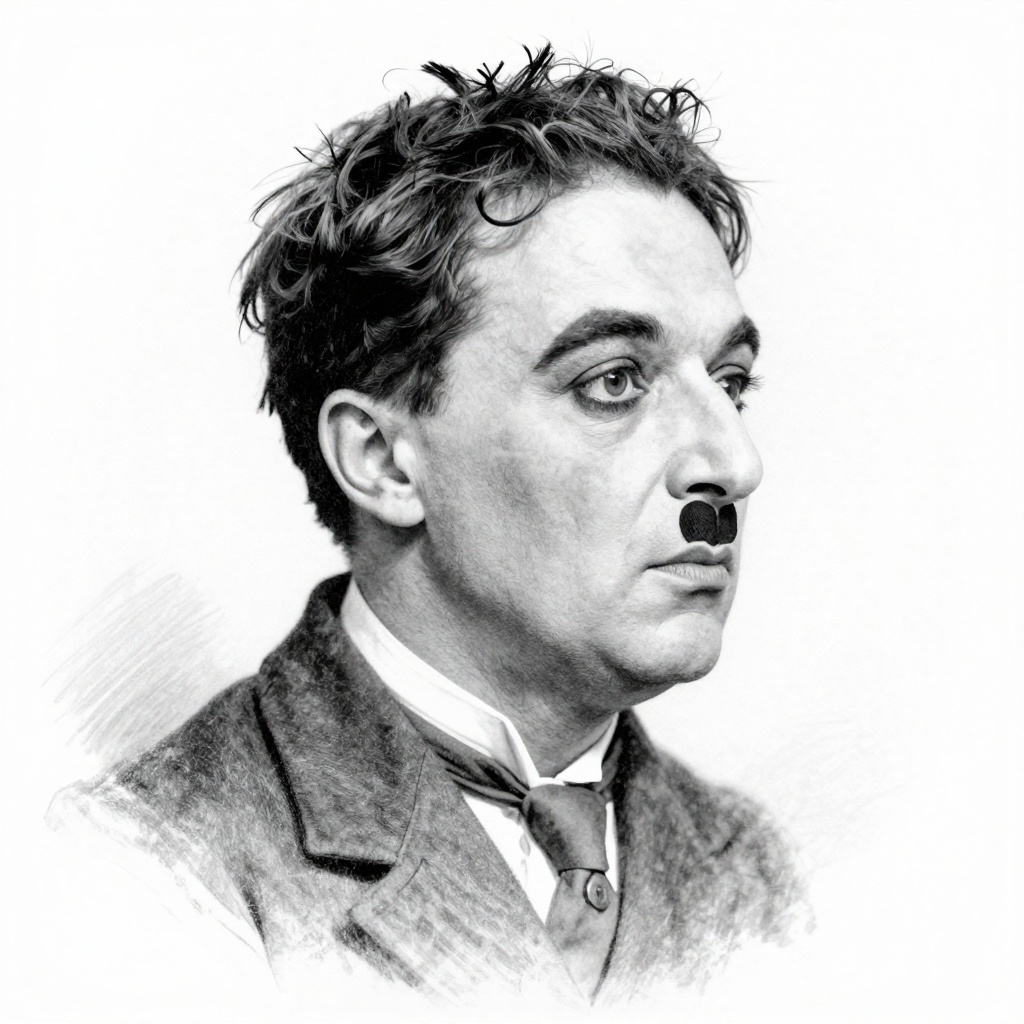
I do not have much patience with a thing of beauty that must be explained to be understood. If it does need ad... — Charlie Chaplin
I do not have much patience with a thing of beauty that must be explained to be understood. If it does need additional interpretation by someone other than the creator, then I question whether it has fulfilled its purpose.
Author: Charlie Chaplin
Insight: We live in an age of endless interpretation. A song gets a 3000-word think piece. A film spawns a Reddit thread debating what the director "really meant." There's something refreshing about Chaplin's impatience with this. He's not saying art should be simple or dumbed down—he's saying that genuine beauty works on you without requiring a manual. Think about the moments that actually stick with you. A piece of music that moves you to tears. A photograph that stops you cold. A performance that feels true. These don't usually need someone to decode them first. They hit you directly, the way a smile does across a crowded room. Chaplin understood this viscerally because he made silent films—he had to communicate through gesture, expression, and movement. No dialogue. No explanation. The tricky part is separating lazy art from genuinely demanding art. Some works actually reward deep thinking. But Chaplin's pointing at something real: if you find yourself constantly explaining why something is good instead of feeling why, something may have gone wrong. The work itself should do the work. Your job isn't to convince people it's beautiful—it should be obvious to them already.