Quote · Added 8 September 2023
Books are the quietest and most constant of friends; they are the most accessible and wisest of counselors, and the most patient of teachers.
Charles W. EliotThe Happy Life, 1896
Filed underbooks·friendship·wisdom
Quote · Added 8 September 2023
Filed underbooks·friendship·wisdom
There's something almost defiant about calling books "friends" in a world that measures relationships by notifications and response times. Unlike people, books don't disappoint you with silence or drift away when life gets busy. They wait exactly where you left them, ready to pick up the conversation as if no time has passed. That consistency matters more than we admit, especially when we're exhausted or confused or just need to think without performing for an audience.
The quiet part is key. Books don't interrupt, debate back, or make you justify your confusion before you've finished asking the question. A good book lets you sit with uncomfortable ideas, re-read a paragraph three times, or close it entirely when you need a break. In that space, something shifts—you're not defending yourself or managing someone else's feelings. You're just learning, at your own pace, in your own way.
What's surprising is how this becomes more valuable, not less, as life accelerates. When everyone's shouting their take on everything, a book's willingness to exist quietly on a shelf, asking nothing from you except attention, feels almost radical. It's not that books replace human connection. It's that they offer something we're increasingly starved for: the chance to think deeply without an audience, which might be exactly what we need to bring our best selves to people.
1834–1926·lived 92 years
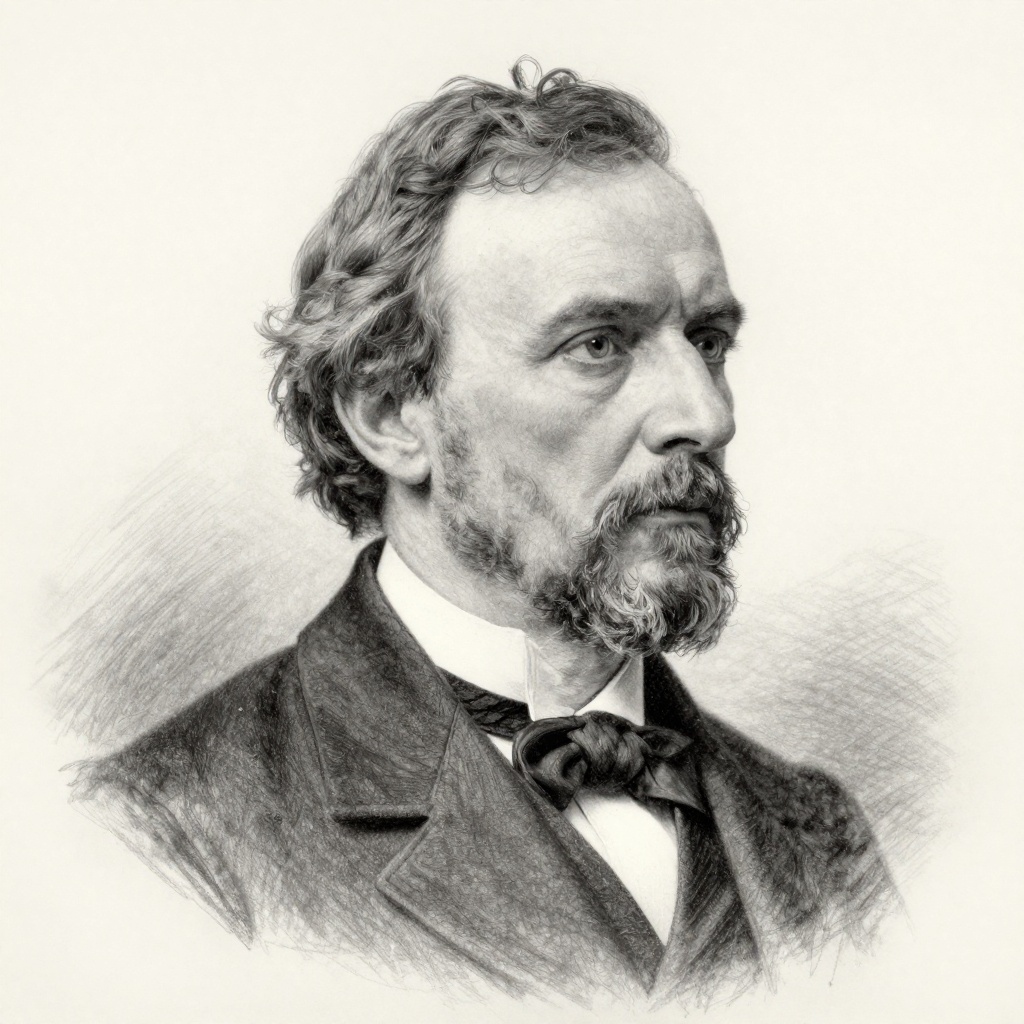
Charles W. Eliot (1834–1926) was an American academic and educational reformer who served as the president of Harvard University for a record-setting 40 years, from 1869 to 1909. He is known for establishing Harvard as a leading research university and for advocating a more flexible and practical curriculum known as the "elective system," which significantly influenced higher education in the United States.
Comments