Quote · Added 1 October 2023
Annual income twenty pounds, annual expenditure nineteen nineteen and six, result - happiness.
Charles DickensDavid Copperfield, p. 100, 1850
Quote · Added 1 October 2023
There's something almost comical about how precise this sounds, like Dickens has discovered the exact formula for contentment down to the shilling. But the real insight isn't mathematical—it's about the single most corrosive feeling in human life: the sense that you're slowly drowning. When your outflow matches or exceeds your income, you exist in a state of constant low-level panic, no matter how much money you actually have. The specificity of "nineteen nineteen and six" drives home that it's not about being rich; it's about that tiny margin of breathing room.
What makes this oddly relevant now is how invisible this margin has become. We're encouraged to maximize, optimize, leverage every penny. But Dickens is pointing at something different: the actual lived experience of security isn't found in abundance—it's found in restraint. That small surplus isn't about luxury; it's about not waking up at three in the morning with your stomach tight. It's about being able to help a friend without panicking, or handling an unexpected bill without catastrophe.
The unsaid part of this quote is that happiness isn't really about money at all. It's about freedom from the particular anxiety that money can cause. Once you have enough plus a little extra, doubling your income probably won't double your peace of mind. But that gap between nineteen nineteen and six and twenty? That's everything.
1812–1870·lived 58 years
Charles Dickens was an English writer and social critic, widely considered one of the greatest novelists of the Victorian era. He is renowned for his vivid characters, intricate plots, and depictions of the social issues in his works, including classics such as "Oliver Twist," "Great Expectations," and "A Christmas Carol."
Also by Charles Dickens
I could always hear my better self clearing his throat in the room next door.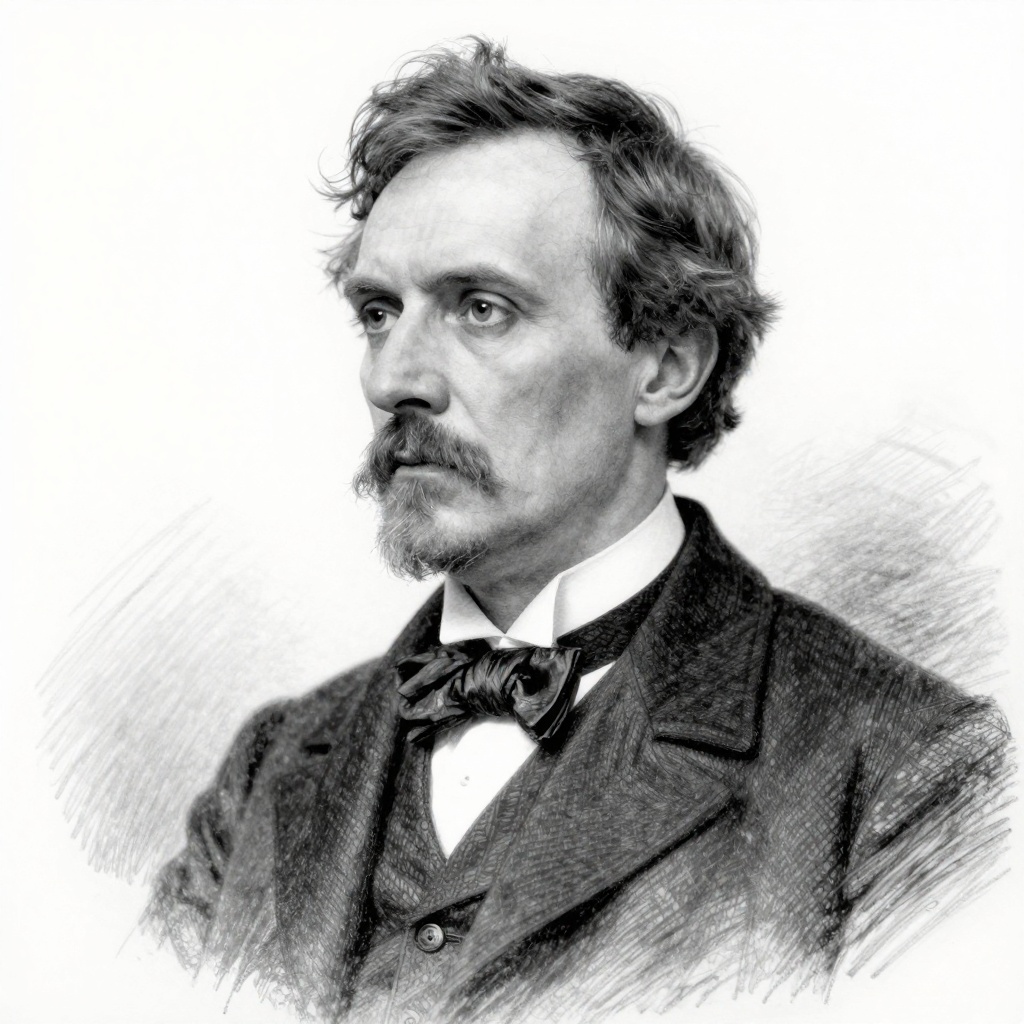
Comments