Quote · Added 14 February 2026
Patience is the support of weakness; impatience the ruin of strength.
No ratings yet
Quote · Added 14 February 2026
We usually think of patience as a virtue for the meek—something weak people do because they have no choice. But this quote flips that around in a way that stings a little. Patience is actually what holds up people who are struggling, what gives them time to recover and rebuild. It's the opposite of collapse. Meanwhile, the people with real capability—the talented, the energetic, the confident—often self-destruct through impatience. They move too fast, make reckless calls, burn bridges and opportunities because they can't stand to wait.
This shows up everywhere. A skilled athlete gets injured through overtraining. A brilliant employee blows up their career by pushing for a promotion too aggressively. Someone with genuine talent at writing or art abandons the craft after a few rejections instead of doing the slower work. Strength without patience becomes its own trap—you have the power to move mountains, but you demolish yourself in the process. The real irony is that patience might actually be the thing that separates people who maintain their advantages from those who squander them. It's not the refuge of the weak; it's what allows anyone to last.
1780–1860·lived 79 years
Charles Caleb Colton was an English writer and clergyman, born in 1780 and known for his literary works and aphorisms. He is best recognized for his book "Lacon: or Many Things in Few Words," published in 1820, which is a collection of witty and insightful reflections on various subjects. Colton's writing reflects his interests in philosophy, society, and human nature, and he remains a notable figure in the field of English aphoristic literature.
Also by Charles Caleb Colton
The present time has one advantage over every other - it is our own.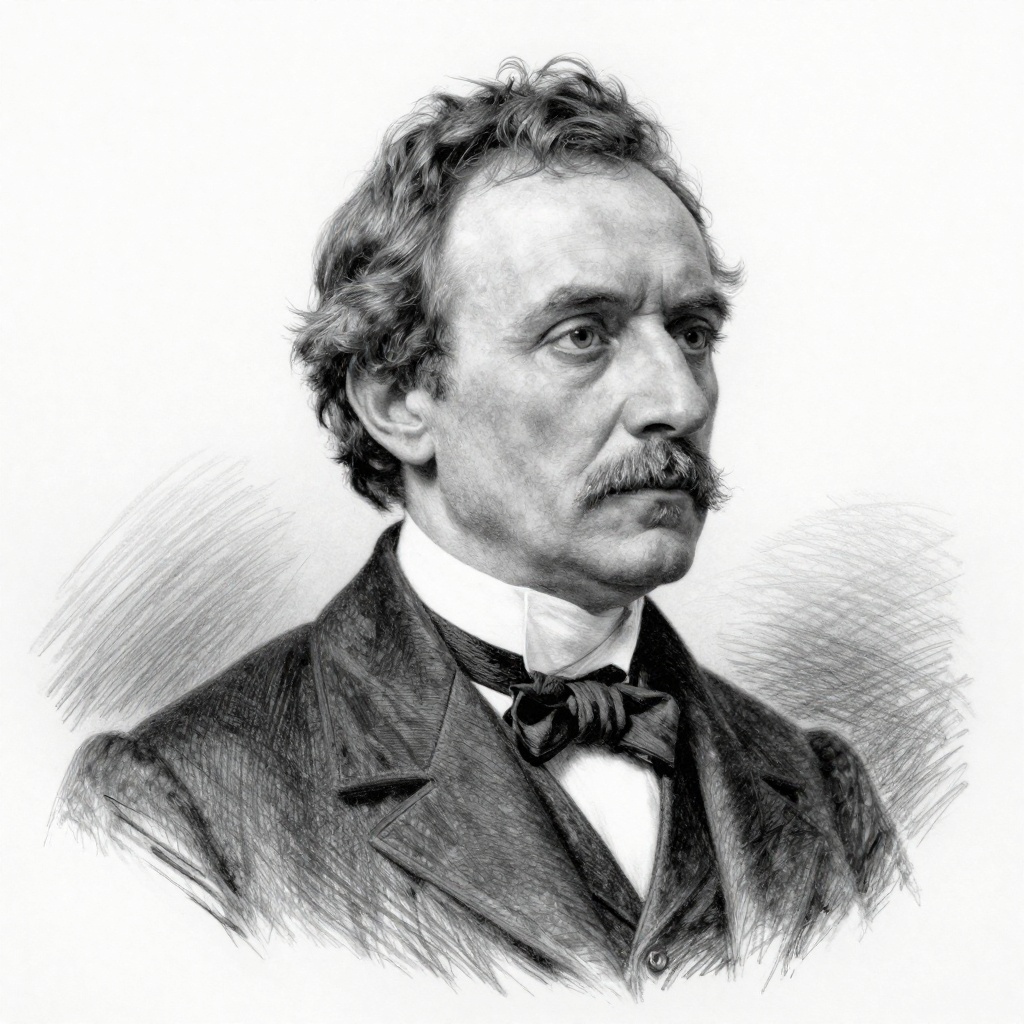
Comments