Quote · Added 19 February 2026
After I'm dead I'd rather have people ask why I have no monument than why I have one.
No ratings yet
Quote · Added 19 February 2026
There's something oddly modern about this. We live in an age of relentless self-promotion, where people curate highlight reels and worry obsessively about their digital legacy. The instinct to leave a mark feels almost biological now. But Cato is pointing at something uncomfortable: the gap between doing something actually worth remembering and needing everyone to know you did it.
The real insight isn't about monuments or humility—it's about confidence in your own work. When you're genuinely useful to people, when your ideas actually change how things operate, you don't need a plaque. People remember because your impact is woven into their lives, not because you demanded recognition. Conversely, the people scrambling hardest for monuments are often the ones whose accomplishments won't speak for themselves.
This matters now because we're drowning in hollow visibility. Everyone can build a platform; almost nobody can build something that lasts. Cato's challenge isn't really about modesty. It's a dare: do something so obviously necessary that people will wonder why you didn't demand credit for it. That's a different kind of ambition entirely—and maybe a more honest measure of who actually mattered.
d. 149
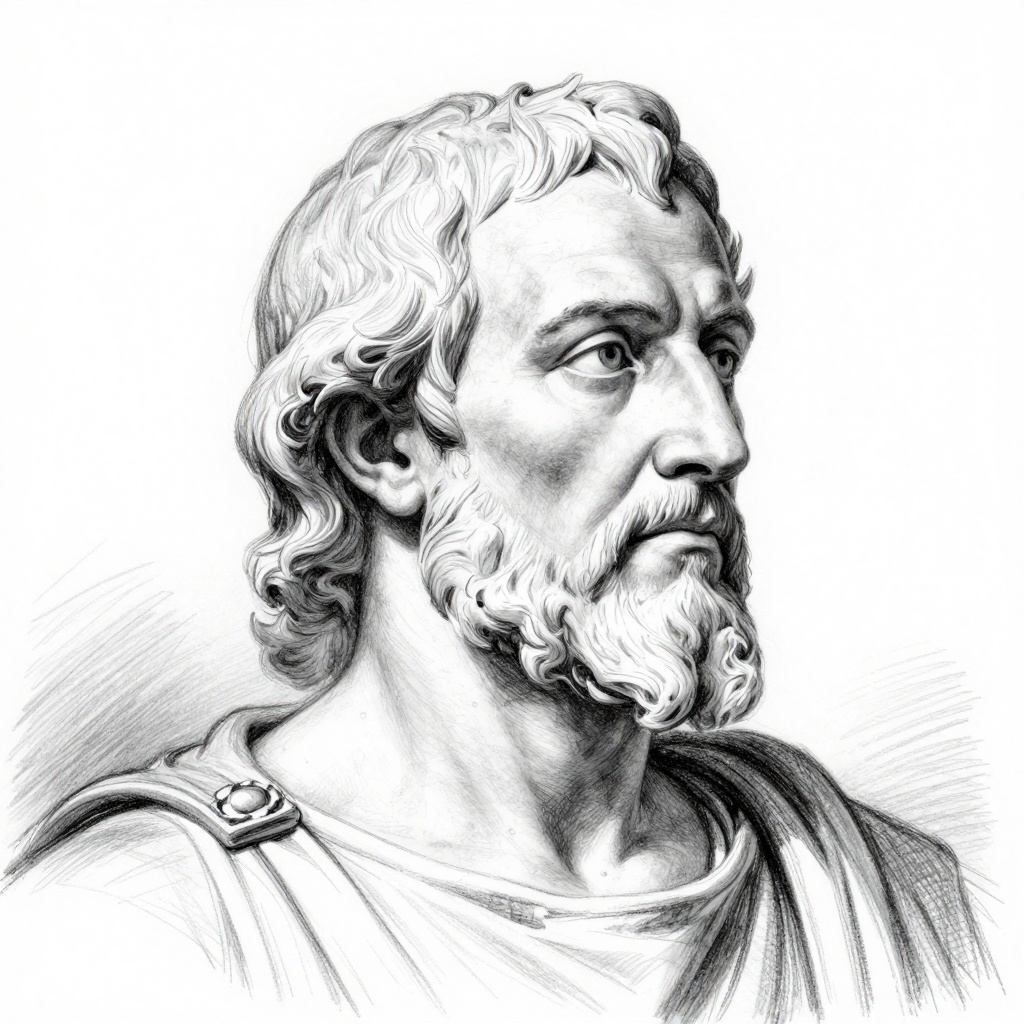
Cato the Elder, also known as Marcus Porcius Cato, was a Roman soldier, statesman, and historian who lived from 234 to 149 BC. He is best known for his staunch conservatism and advocacy for traditional Roman values, as well as for his work "De Agri Cultura," one of the earliest farming manuals in Latin. Cato was also a prominent political figure, serving as a consul and later as a senator, and he famously concluded his speeches with the phrase "Carthago delenda est," advocating for the destruction of Carthage.
Comments