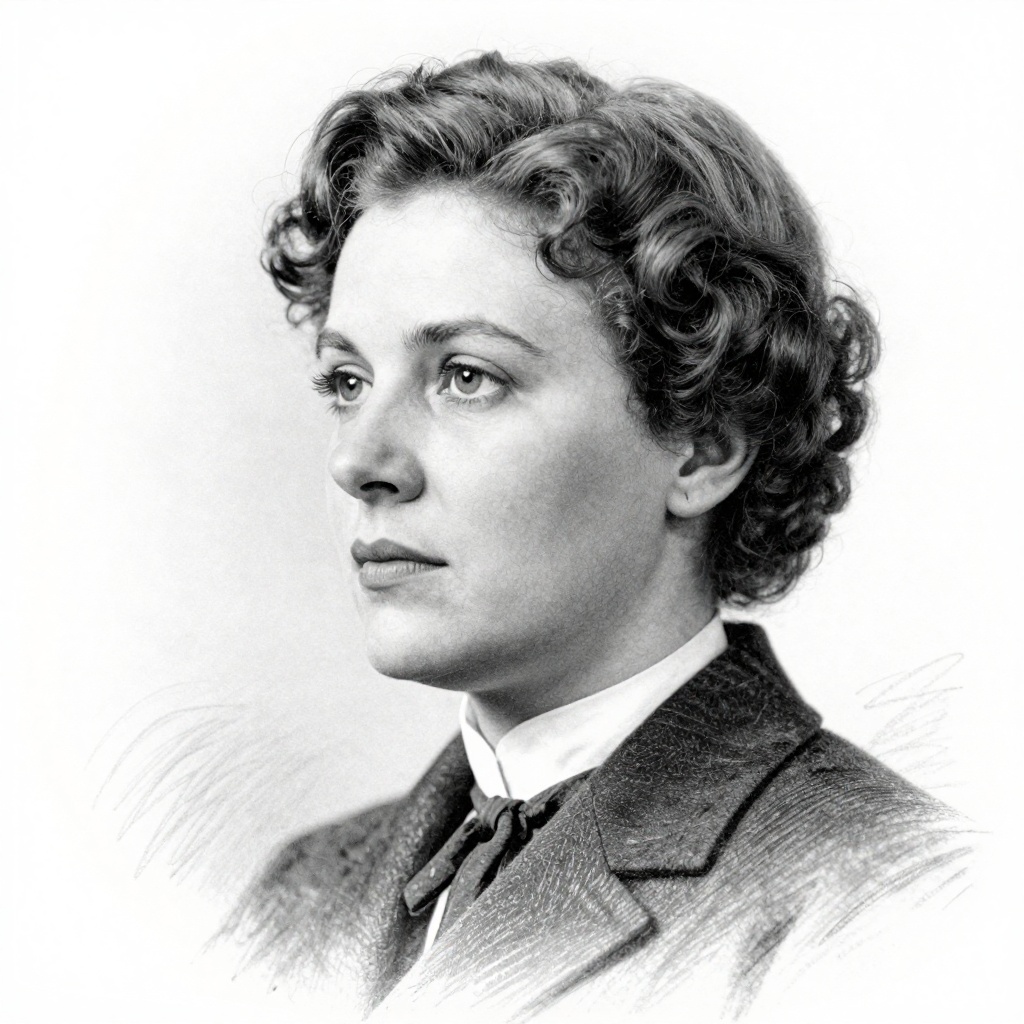
I decided blacks should not have to experience the difficulties I had faced, so I decided to open a flying sch... — Bessie Coleman
I decided blacks should not have to experience the difficulties I had faced, so I decided to open a flying school and teach other black women to fly.
Author: Bessie Coleman
Insight: There's something quietly radical about what Coleman did here: she didn't just survive a brutal system, she looked back at her own suffering and decided to systematically prevent others from enduring it. That impulse—to transform personal struggle into a doorway for others—is something most of us recognize but rarely act on. We complain about obstacles we've overcome, we sympathize with friends facing similar walls, but we usually stop there. Coleman went further. She saw a pattern of exclusion and responded not with bitterness or resignation, but with a concrete plan. She built something. The flying school wasn't about proving she could do it; it was about ensuring the next generation wouldn't have to fight the same fights. That distinction matters, especially today when we're quick to celebrate individual achievement but slower to ask: what barriers am I removing for others behind me? The real challenge in her approach is that it requires seeing your hardships as data rather than just as personal wounds. It means looking at what nearly broke you and asking not "how do I get past this?" but "how do I make sure this doesn't break anyone else?" That reframing—from survivor's relief to systemic change—is what transforms struggle into legacy.