Quote · Added 14 February 2026
The way to get things done is not to mind who gets the credit for doing them.
Benjamin JowettThe Socratic Method
No ratings yet
Filed undercredit·teamwork·productivity
Quote · Added 14 February 2026
Filed undercredit·teamwork·productivity
Most of us pretend we don't care who gets credit. We'll say things like "I just want the project to succeed" or "the team's win is what matters." But then someone else presents our idea in a meeting, or a colleague gets thanked for something we sweated over, and suddenly that warm glow of selflessness vanishes. The sting is real—maybe more real than we'd like to admit.
Here's what's counterintuitive though: the people who actually get the most done aren't usually the ones obsessing over attribution. They're too busy moving forward. When you release your grip on needing recognition, something shifts. You start collaborating more openly instead of hoarding ideas. You delegate without that nagging fear someone else will shine. You can borrow freely from others' work without resentment. It's not that the credit-hungry people are lazy—it's that their energy gets divided between doing the work and managing their image of it.
The practical magic is this: letting go of credit is less about being noble and more about removing friction from getting things done. The people who care least about the spotlight often end up building the most impressive things. They're just too focused on what's next to spend time looking in the mirror.
1825–1893·lived 68 years
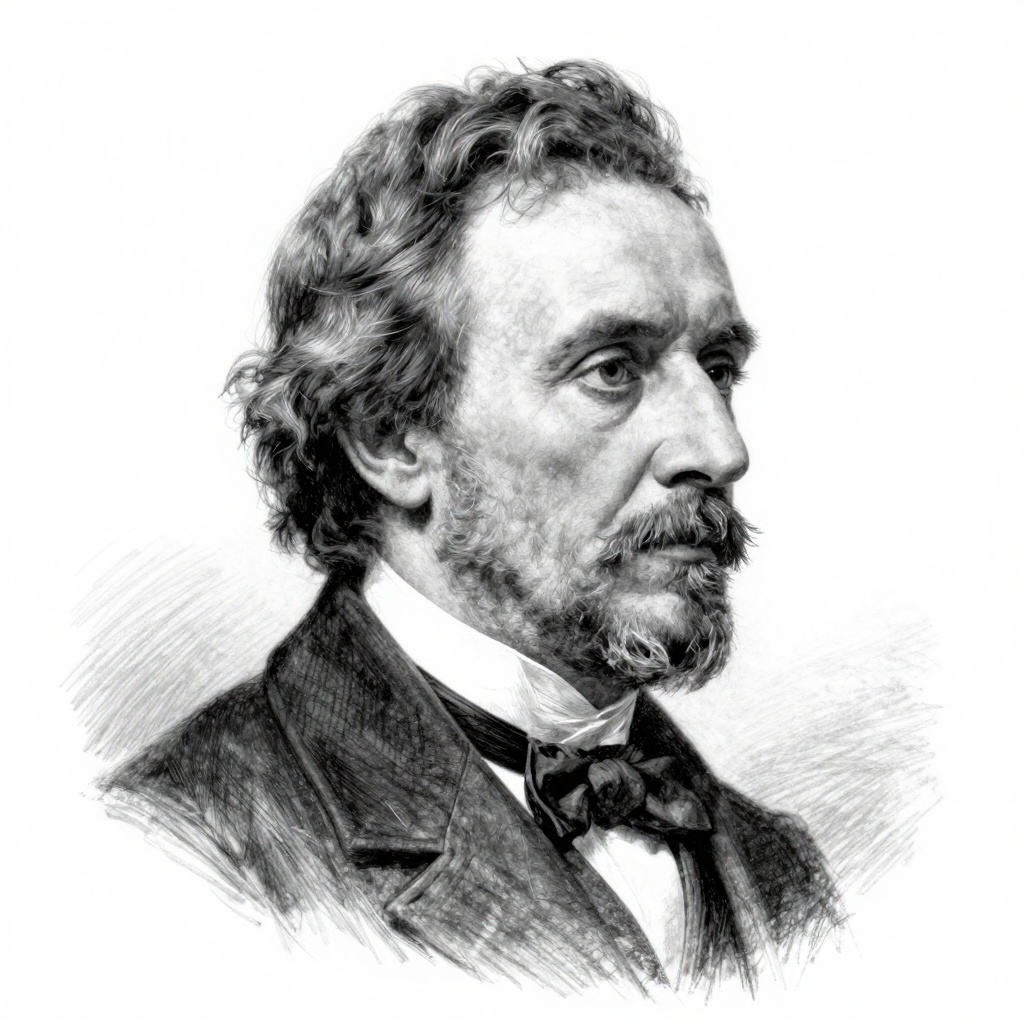
Benjamin Jowett (1817-1883) was an English theologian, philosopher, and educator known for his influential translations of Plato's works, which were acclaimed for their clarity and scholarly rigor. He served as the principal of St. John's College, Oxford, and was also notable for his contributions to biblical criticism and as a prominent figure in the Oxford Movement. Jowett's writings and teachings significantly impacted Victorian thought and the study of classical philosophy.
Comments