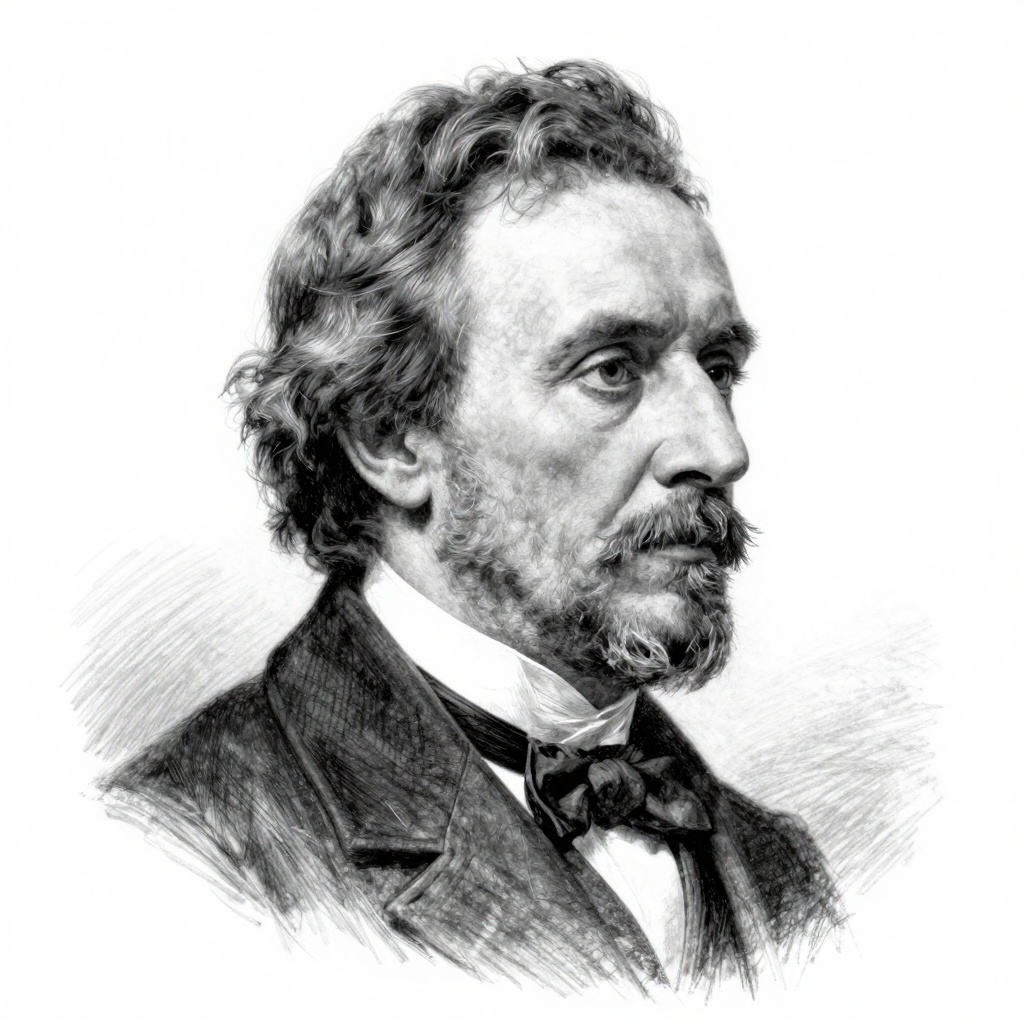
There is a serious defect in the thinking of someone who wants - more than anything else - to become rich. As... — Benjamin Jowett

There is a serious defect in the thinking of someone who wants - more than anything else - to become rich. As long as they don't have the money, it'll seem like a worthwhile goal. Once they do, they'll understand how important other things are - and have always been.

Author: Benjamin Jowett

Insight: We've all noticed the strange gap between what we think we want and what actually satisfies us once we have it. The person obsessed with getting rich imagines that money will finally solve their restlessness, give them security, prove their worth. But there's something almost tragic about achieving that goal and realizing the satisfaction doesn't stick the way you expected. The money arrives, and suddenly you notice how much time you've missed with people you love, or how disconnected you've become from work that actually engages you, or how your anxiety didn't actually require a seven-figure account to disappear. The real insight here isn't that money doesn't matter—it obviously does. It's that the very focus required to chase it relentlessly can blind you to what you're trading away in the process. You can't think clearly about tradeoffs while you're making them. It takes having the thing to finally see what it cost. The defect isn't wanting money; it's wanting it so intensely that it becomes the only lens through which you evaluate your life. By then, the years of single-minded pursuit are already behind you.

The Cost You Can't See Until Later

There is a serious defect in the thinking of someone who wants - more than anything else - to become rich. As long as they don't have the money, it'll seem like a worthwhile goal. Once they do, they'll understand how important other things are - and have always been.

We've all noticed the strange gap between what we think we want and what actually satisfies us once we have it. The person obsessed with getting rich imagines that money will finally solve their restlessness, give them security, prove their worth. But there's something almost tragic about achieving that goal and realizing the satisfaction doesn't stick the way you expected. The money arrives, and suddenly you notice how much time you've missed with people you love, or how disconnected you've become from work that actually engages you, or how your anxiety didn't actually require a seven-figure account to disappear.

The real insight here isn't that money doesn't matter—it obviously does. It's that the very focus required to chase it relentlessly can blind you to what you're trading away in the process. You can't think clearly about tradeoffs while you're making them. It takes having the thing to finally see what it cost. The defect isn't wanting money; it's wanting it so intensely that it becomes the only lens through which you evaluate your life. By then, the years of single-minded pursuit are already behind you.

AI generated

Comments

Sign in to leave a comment or reply to one.

Sign in

Benjamin Jowett

Benjamin Jowett (1817-1883) was an English theologian, philosopher, and educator known for his influential translations of Plato's works, which were acclaimed for their clarity and scholarly rigor. He served as the principal of St. John's College, Oxford, and was also notable for his contributions to biblical criticism and as a prominent figure in the Oxford Movement. Jowett's writings and teachings significantly impacted Victorian thought and the study of classical philosophy.

Graph

Related