Quote · Added 14 February 2026
Justice is truth in action.
Benjamin DisraeliSpeech, House of Commons, 1852
No ratings yet
Quote · Added 14 February 2026
Most of us think of justice as something that happens in courtrooms—a verdict, a ruling, a decision handed down. But Disraeli was pointing at something different: justice isn't just an outcome, it's what happens when you actually do something about what you know to be true. It's the gap between knowing someone's been wronged and speaking up, between seeing unfairness and letting it slide.
This distinction matters more in everyday life than we usually admit. You might know a friend is being treated badly but stay quiet to avoid conflict. You might recognize that a rule at work is unfair but assume it's not your place to challenge it. You might see someone being blamed for something they didn't do and say nothing. In each case, you have truth on your side—you just haven't moved it into action yet. That's the unmade justice Disraeli was talking about.
The surprising part is how this flips the burden. We often wait for justice to feel easy or safe or certain before we act. But Disraeli suggests the real test is whether we'll turn what we know into what we do, even when it costs something. Justice isn't a feeling or an ideal you admire from a distance. It's a choice you make, usually in moments when staying quiet feels simpler.
1804–1881·lived 77 years
Benjamin Disraeli was a British statesman, author, and two-time Prime Minister of the United Kingdom in the 19th century. He is known for his political career, his leadership of the Conservative Party, and for his reform policies that aimed to improve social conditions and strengthen the British Empire.
Also by Benjamin Disraeli
One secret of success in life is for a man to be ready for his opportunity when it comes.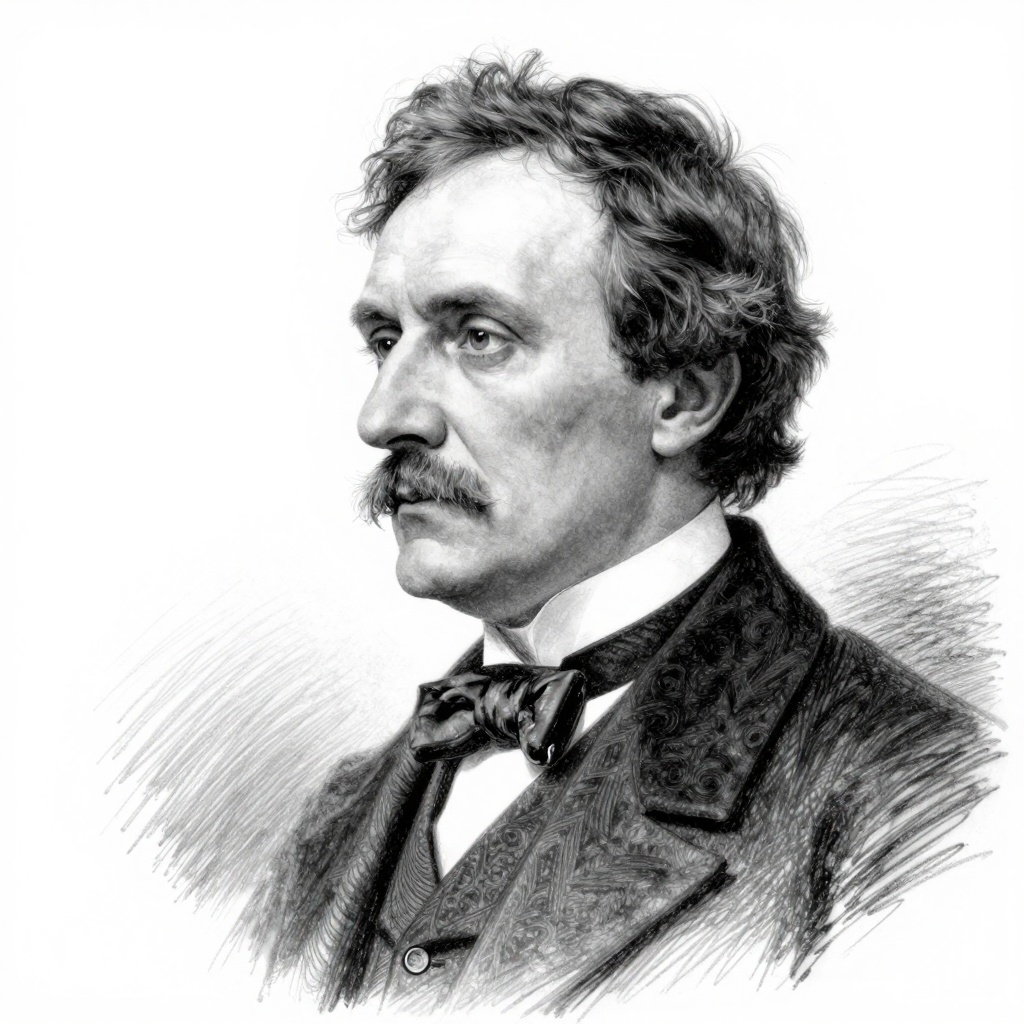
Comments