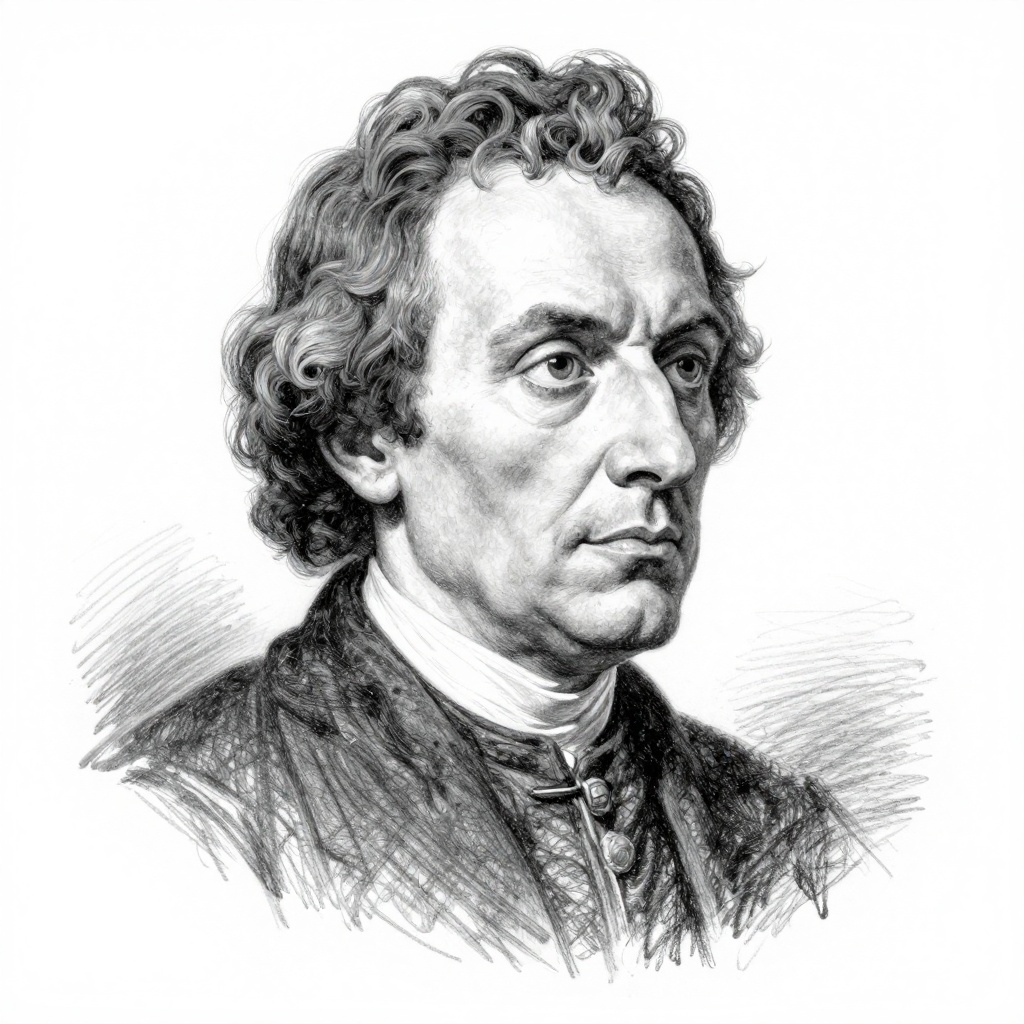
All happiness or unhappiness solely depends upon the quality of the object to which we are attached by love. — Baruch Spinoza

All happiness or unhappiness solely depends upon the quality of the object to which we are attached by love.

Author: Baruch Spinoza

Insight: When you're deeply invested in something—a relationship, a career, a creative project—it shapes everything. Not because the thing itself has magical powers, but because your attachment to it becomes the lens through which you experience your entire life. Spinoza's insight cuts past the usual advice about "choosing happiness" and points to something harder to face: you don't just feel what you feel. You're actually bound to the objects of your love, and they set the terms. This matters precisely because we live in an age of infinite attachment options. You can care about your job, your social media presence, your kids, your fitness routine, a political cause, or a celebrity's downfall. Each one will deliver its own version of happiness or misery based on what it actually is. A relationship with someone who respects you generates different possibilities than one built on fantasy. A career that uses your real strengths feels different than one where you're constantly faking competence. The non-obvious part: you can't just decide to attach to something better the way you'd switch phones. But you can wake up to what you're actually attached to, and whether that attachment makes sense anymore. The radical move isn't positive thinking. It's being honest about what you're bound to, and whether it deserves you.

What you're bound to shapes everything

All happiness or unhappiness solely depends upon the quality of the object to which we are attached by love.

When you're deeply invested in something—a relationship, a career, a creative project—it shapes everything. Not because the thing itself has magical powers, but because your attachment to it becomes the lens through which you experience your entire life. Spinoza's insight cuts past the usual advice about "choosing happiness" and points to something harder to face: you don't just feel what you feel. You're actually bound to the objects of your love, and they set the terms.

This matters precisely because we live in an age of infinite attachment options. You can care about your job, your social media presence, your kids, your fitness routine, a political cause, or a celebrity's downfall. Each one will deliver its own version of happiness or misery based on what it actually is. A relationship with someone who respects you generates different possibilities than one built on fantasy. A career that uses your real strengths feels different than one where you're constantly faking competence. The non-obvious part: you can't just decide to attach to something better the way you'd switch phones. But you can wake up to what you're actually attached to, and whether that attachment makes sense anymore.

The radical move isn't positive thinking. It's being honest about what you're bound to, and whether it deserves you.

AI generated

Comments

Sign in to leave a comment or reply to one.

Sign in

Baruch Spinoza

Baruch Spinoza was a Dutch philosopher known for his rationalist approach and contributions to the fields of metaphysics, epistemology, and ethics. He is best known for his magnum opus, "Ethics," in which he explored the nature of God, the mind-body connection, and the concept of free will. Spinoza's ideas laid the groundwork for the Enlightenment and have had a lasting impact on Western philosophy.

Graph

Related