Quote · Added 25 August 2023
To have a good enemy, choose a friend: He knows where to strike.
Baltasar GraciánHow to Use Your Enemies, 1647
No ratings yet
Filed underenemy·friendship·strategy
Quote · Added 25 August 2023
Filed underenemy·friendship·strategy
We tend to think enemies are strangers—people who've never understood us and don't care to. But this quote cuts at something darker and more human: the people closest to us know our exact vulnerabilities. They've watched us struggle, heard us confess our fears, seen what makes us defensive. When a friendship turns hostile, that intimacy becomes dangerous in a way distant antagonism never could be.
This matters beyond dramatic betrayals. It shows up in workplace rivalries between former collaborators, family feuds that cut deeper than any outside conflict, or the particular sting of criticism from someone whose opinion we value. A stranger's judgment bounces off; a friend's words land because they understand the context of our insecurities.
But there's a flip side worth considering: this same knowledge can work in reverse. The people who know us best also have the greatest potential to hurt us, yes—but also to truly help us grow. They see not just our weaknesses but our blind spots. The trick is noticing early when closeness is becoming weaponized rather than protective, and remembering that having someone who knows us well is precious enough that losing that to conflict actually costs something real.
1601–1658·lived 57 years
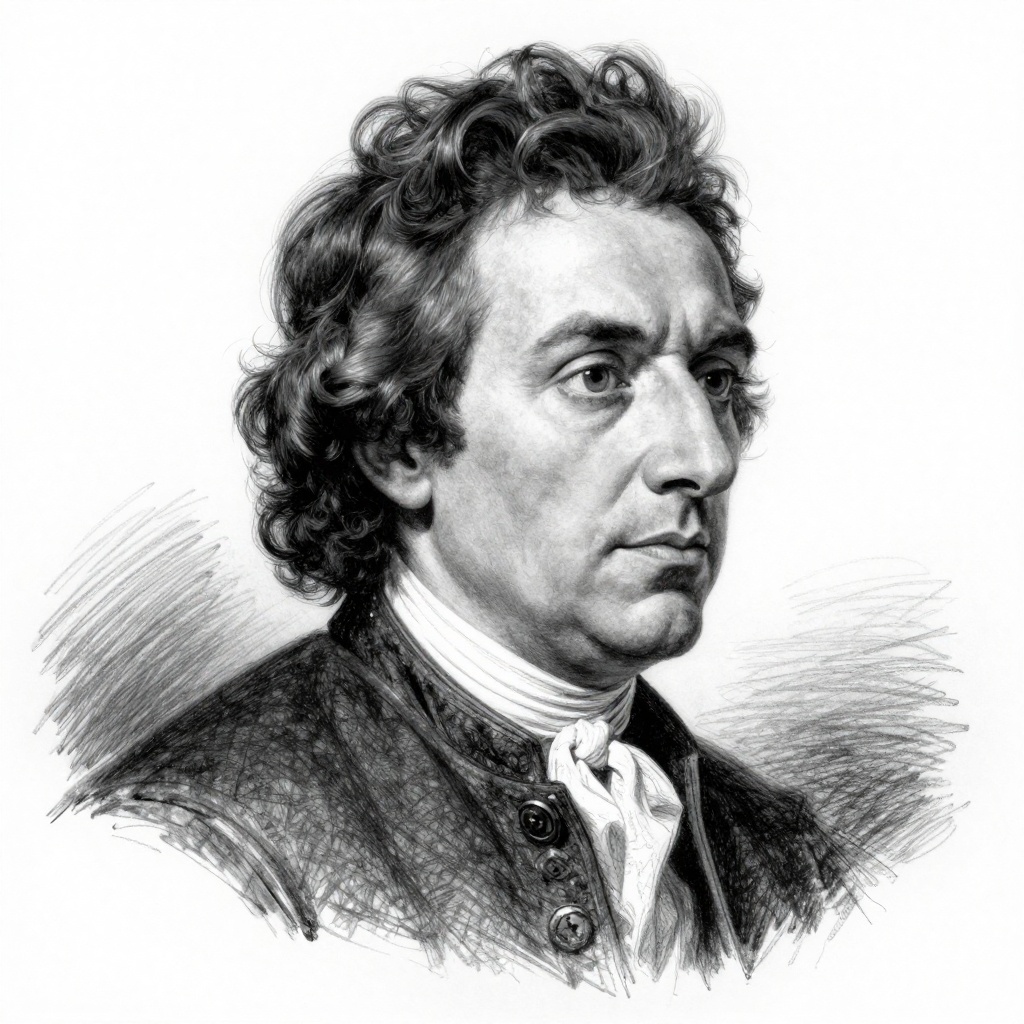
Baltasar Gracián (1601–1658) was a Spanish Jesuit and baroque prose writer. He is best known for his work "The Art of Worldly Wisdom," a collection of maxims offering practical advice on life and success. Gracián's writing is praised for its wit, wisdom, and insight into human nature.
Comments