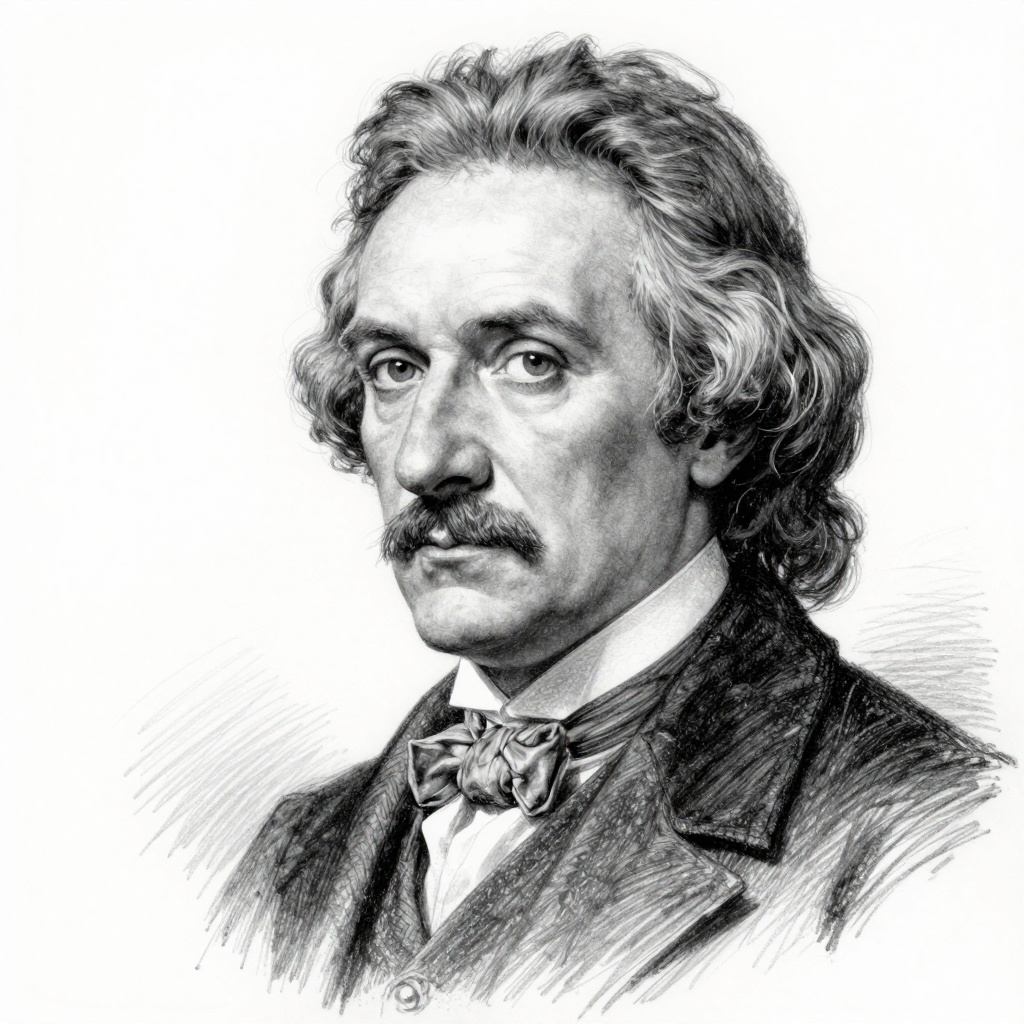
Patriotism, when it wants to make itself felt in the domain of learning, is a dirty fellow who should be throw... — Arthur Schopenhauer
Patriotism, when it wants to make itself felt in the domain of learning, is a dirty fellow who should be thrown out of doors.
Author: Arthur Schopenhauer
Insight: There's a real tension hiding in this old complaint. We like to think our beliefs shape what we learn, but Schopenhauer is pointing at something sharper: when patriotism (or any loyalty) starts deciding what counts as true, we've stopped learning and started protecting. A historian might downplay uncomfortable facts about their country's past. A scientist might resist findings that challenge national pride. The "dirty fellow" isn't patriotism itself—it's patriotism masquerading as curiosity. What makes this sting today is how often we don't notice it happening. We assume we're following evidence, but we're actually filtering it through what feels safe to believe about ourselves, our team, our country. Social media makes this worse by letting us build echo chambers of validation. The uncomfortable part is recognizing that loyalty—to a nation, a political side, even a personal identity—naturally wants to protect itself from contradiction. The real skill isn't eliminating loyalty or patriotism. It's developing enough intellectual honesty to notice when they're quietly rewriting the facts. True learning requires being willing to feel stupid, to be wrong, to let your country or team look worse than you'd prefer. That's not unpatriotic. That's what actual understanding demands.
Source: Parerga and Paralipomena, Volume II, Section 344, 1851