Quote · Added 15 June 2024
Mostly it is loss which teaches us about the worth of things.
Arthur SchopenhauerParerga and Paralipomena, Vol. 1, p. 123, 1851
Quote · Added 15 June 2024
We usually don't think much about what we have until it's gone. A friendship that felt ordinary suddenly looks precious the moment someone moves away. Your health seems like background noise until you're stuck in bed for a week. It takes absence to make us realize what was actually sustaining us, what we were taking for granted.
This might sound depressing, but there's something oddly practical hidden in it. If loss is the main teacher, then maybe we don't have to wait for loss to learn. You can ask yourself right now: what would I miss most if it disappeared tomorrow? That answer is usually more honest than what you think should matter. It cuts through the noise of what you're supposed to value versus what you actually do.
The tricky part is that knowing this intellectually doesn't usually change much. You can understand that time with people matters more than productivity, that small routines matter, that ordinary days matter—and still spend weeks acting like none of it does. But sometimes, catching yourself before the loss happens, before regret sets in, is enough to shift how you move through a day. Not forever, maybe. But in that moment, it counts.
1788–1860·lived 72 years
Arthur Schopenhauer was a German philosopher known for his pessimistic philosophy that emphasized the inherent suffering of existence. He is renowned for his work "The World as Will and Representation," which had a significant influence on 19th-century philosophy and later existential thought.
Also by Arthur Schopenhauer
The shortness of life, so often lamented, may perhaps be the very best thing about it.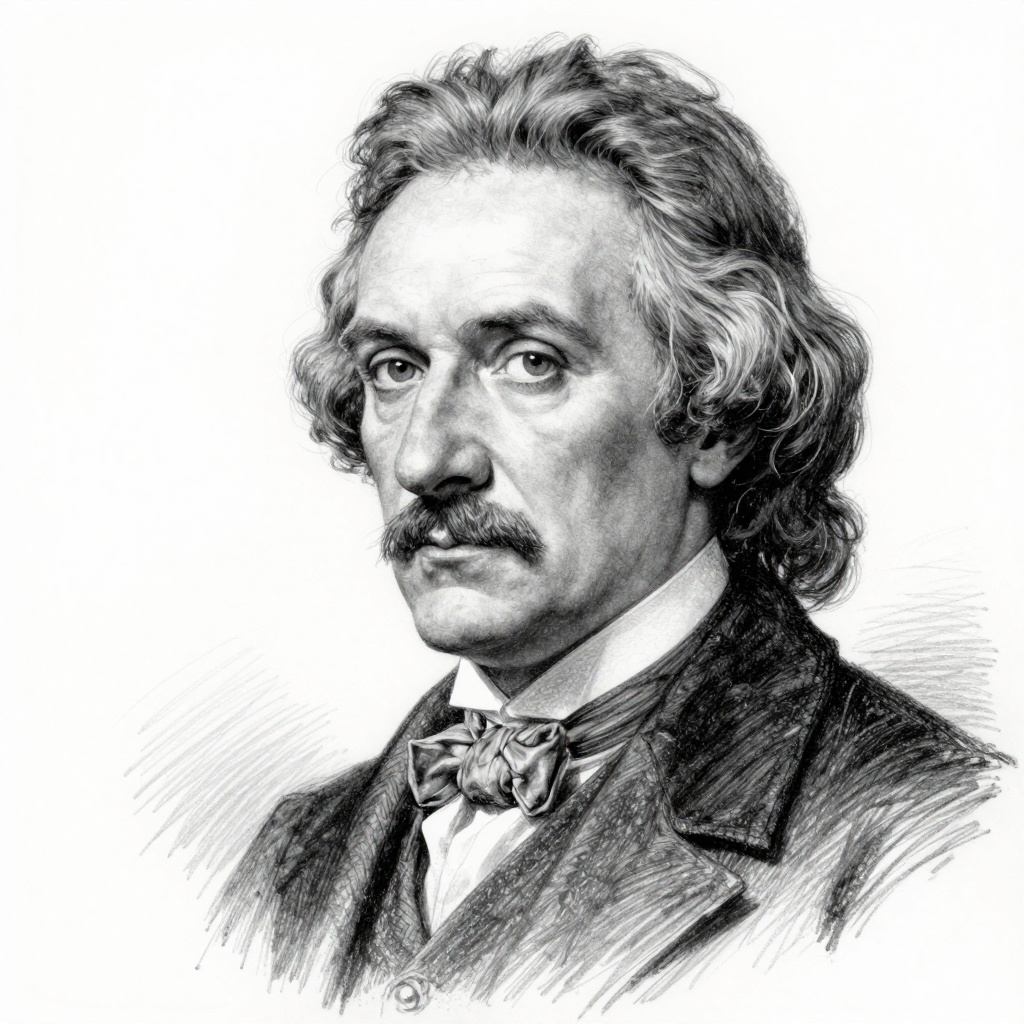
Comments