Quote · Added 13 October 2023
If God made this world, then i would not want to be the God. It is full of misery and distress that it breaks my heart.
Arthur SchopenhauerThe Essays of Arthur Schopenhauer: Studies in Pessimism
Quote · Added 13 October 2023
Most of us learn to accept the world's suffering as just how things are—sad, but inevitable. Schopenhauer was saying something different: if someone designed this world intentionally, they'd have to answer for the cruelty baked into it. It's not just that bad things happen; it's that the fundamental structure seems rigged for disappointment. Hunger follows eating. Desire follows satisfaction. Loss follows attachment.
What makes this observation stick in modern life is how it pushes back against the pressure to be grateful or optimistic no matter what. We're often told to see hardship as meaningful or purposeful, but Schopenhauer's point cuts through that: sometimes suffering just is, and pretending otherwise doesn't make it noble. He wasn't being nihilistic so much as radically honest about what he observed.
The twist is that recognizing this clearly—really feeling how heartbreaking existence can be—doesn't lead to despair in his philosophy. It actually leads to compassion. If we all recognize we're trapped in a system full of unnecessary suffering, maybe we stop inflicting extra pain on each other out of carelessness. The shared misery becomes the basis for empathy, not denial.
1788–1860·lived 72 years
Arthur Schopenhauer was a German philosopher known for his pessimistic philosophy that emphasized the inherent suffering of existence. He is renowned for his work "The World as Will and Representation," which had a significant influence on 19th-century philosophy and later existential thought.
Also by Arthur Schopenhauer
The shortness of life, so often lamented, may perhaps be the very best thing about it.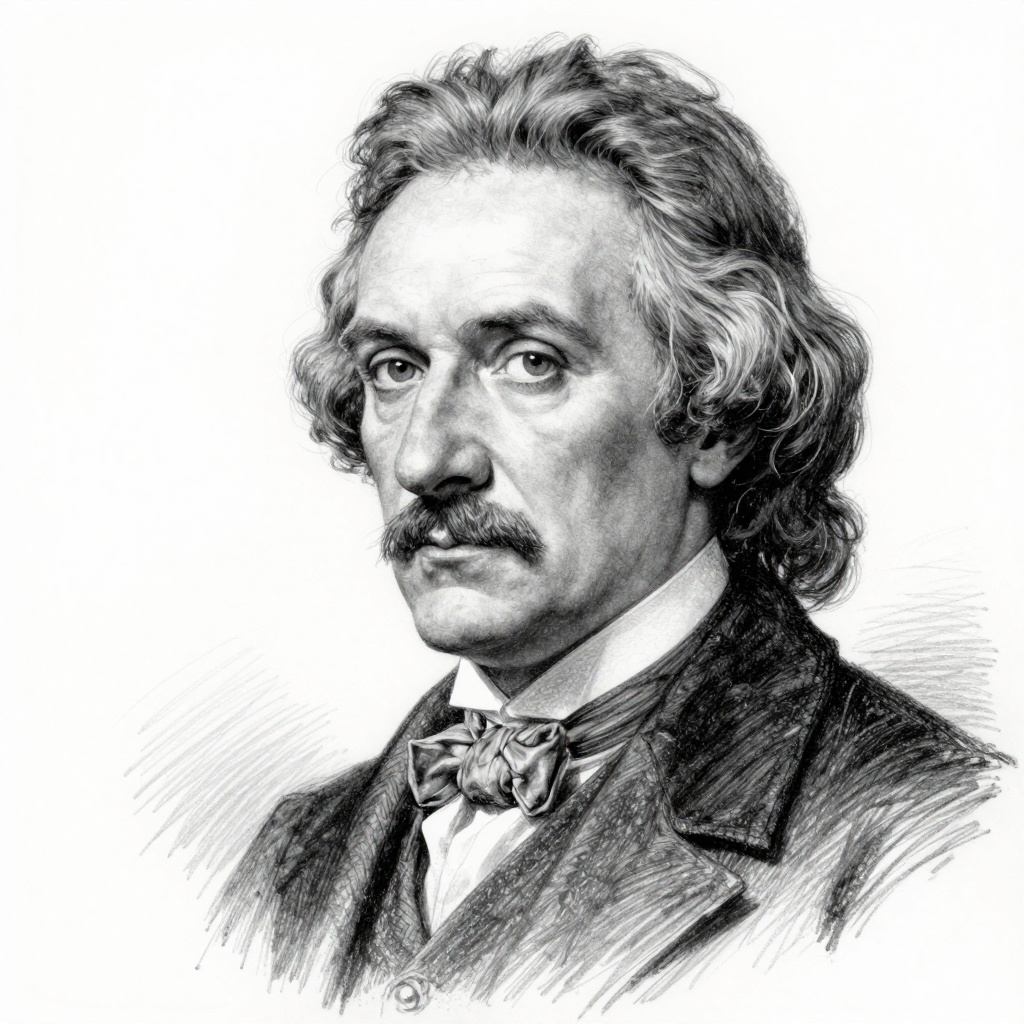
Comments