Quote · Added 14 February 2026
Explore
Reading
AI generatedWinning distracts from thinking
Schopenhauer's frustration here points to something we still recognize: the way people often fill empty time with low-stakes competition instead of actually thinking. A card game, scrolling social media to compare lives, fantasy football leagues—these aren't inherently bad, but they can become a substitute for the harder work of reflection or meaningful conversation. When we're not wrestling with actual ideas or questions that matter to us, we're often just keeping score in some other arena.
What's interesting is that Schopenhauer isn't really calling people stupid for playing cards. He's observing that thoughtlessness is the real problem. We distract ourselves with winning and losing because genuine intellectual engagement requires something uncomfortable: sitting alone with uncertainty, confusion, or boredom. It's easier to have a clear scoreboard than to think through a difficult question about your life or beliefs.
The flip side of his irritation is oddly hopeful. If people resort to games and competition mainly because they lack thoughts to engage with, then the antidote isn't moral superiority—it's actually developing a richer inner life. Reading, wondering, questioning, creating something. These things naturally pull us away from the compulsion to win at trivialities.
The author
All 23 quotes by Arthur Schopenhauer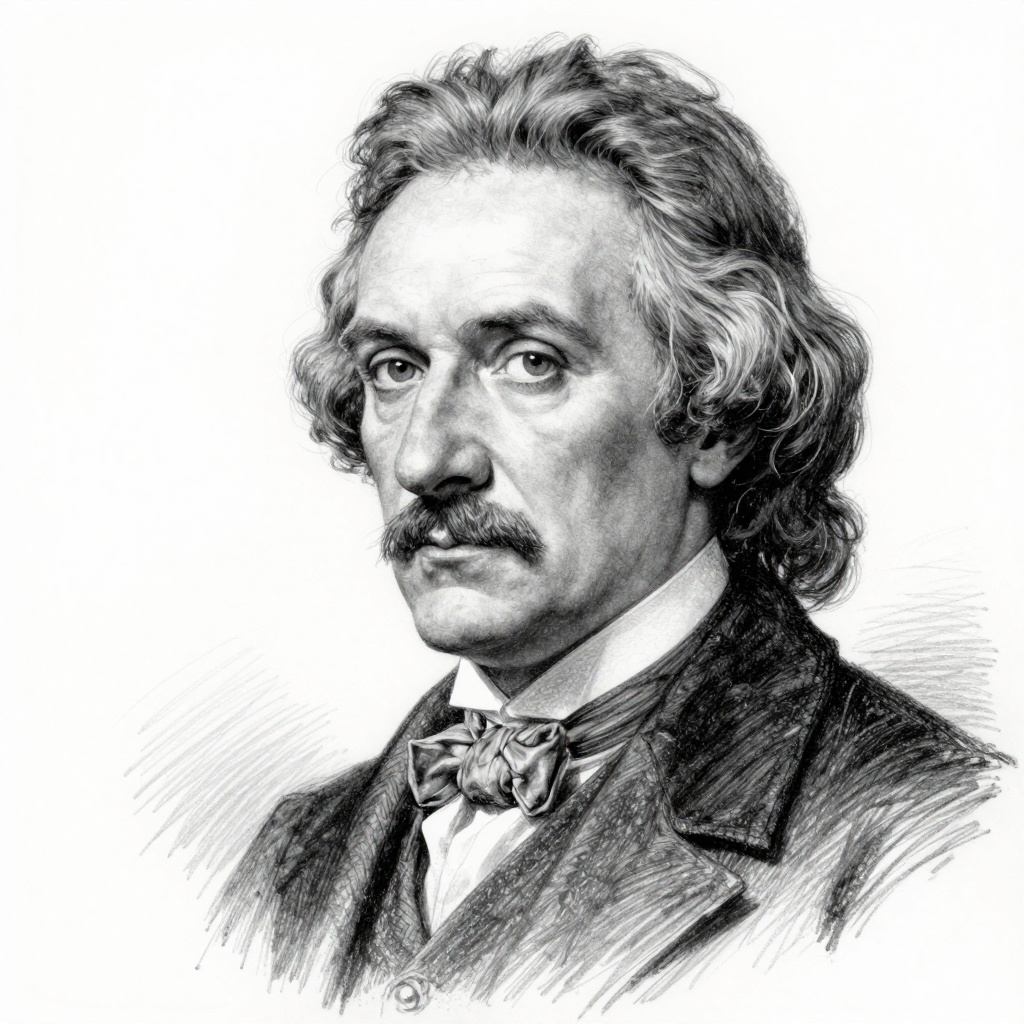
Arthur Schopenhauer
1788–1860·lived 72 years
Arthur Schopenhauer was a German philosopher known for his pessimistic philosophy that emphasized the inherent suffering of existence. He is renowned for his work "The World as Will and Representation," which had a significant influence on 19th-century philosophy and later existential thought.
Also by Arthur Schopenhauer
The shortness of life, so often lamented, may perhaps be the very best thing about it.
Comments