Quote · Added 14 February 2026
Youth is easily deceived because it is quick to hope.
AristotleNicomachean Ethics, Book II, 350 BC
Quote · Added 14 February 2026
We recognize this in ourselves every time we've been caught off-guard by disappointment. A new job feels like the job. A relationship hits its honeymoon phase and suddenly all your past letdowns feel like learning experiences on the path to this. We're not being stupid—we're being human. Hope is actually what lets us try things, take risks, start conversations we might lose. The problem isn't that we hope; it's that we often hope alone, without the steadying hand of experience or skepticism.
The trickier part Aristotle is pointing at is that this vulnerability doesn't really disappear with age. We just get better at hiding it, or we cycle it into new areas. The thirty-year-old who's learned patience in romance might still be the person who gets swept up believing a new diet or investment opportunity will finally solve something. We're all "easily deceived" when we want something badly enough, no matter our birth certificate.
The actual wisdom isn't to crush hope but to pair it with a small voice that asks "What am I not seeing here?" That voice—the one experience slowly builds—isn't about becoming cynical. It's about becoming honest with ourselves about what we want so badly that we might overlook its flaws.
d. 322
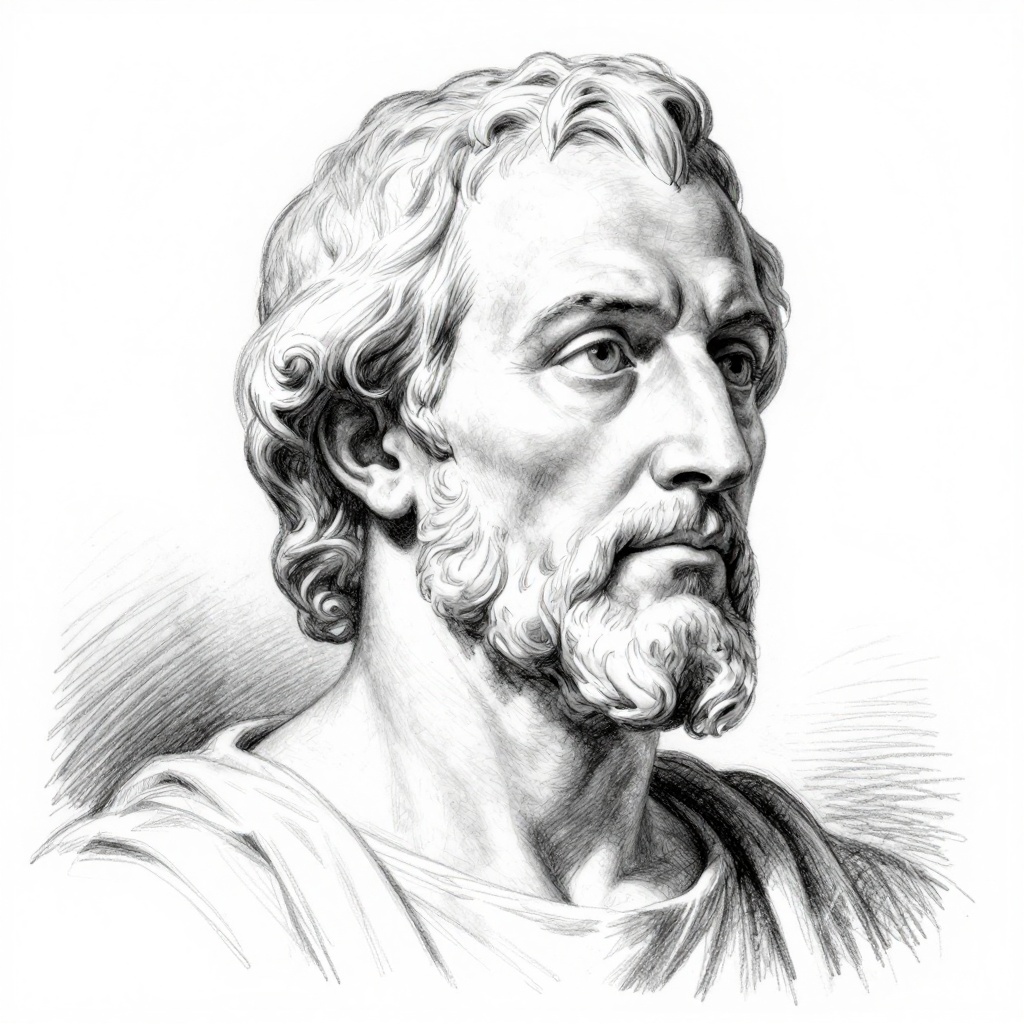
Aristotle was a Greek philosopher and polymath who lived from 384 to 322 BC. He is known for being one of the greatest thinkers in Western philosophy and for his contributions to a wide array of subjects including metaphysics, ethics, politics, biology, and logic. Aristotle was a student of Plato and the teacher of Alexander the Great.
Comments