Quote · Added 14 February 2026
What it lies in our power to do, it lies in our power not to do.
AristotleNicomachean Ethics, Book III, 2000
Quote · Added 14 February 2026
We live in an age of endless choice, yet we often feel trapped by our own decisions. Aristotle's observation cuts right to this tension: the fact that you can do something—scroll for hours, say yes to every invitation, stay in a job that drains you—means you also can choose not to. That second part is the one we forget. We treat our habits and commitments like they happened to us, when really they're the product of choices we keep making.
The power here isn't just about willpower or discipline, though. It's about recognizing that your freedom to act is also your freedom to refrain. That distinction matters because it shifts responsibility in a useful way. You're not a victim of your own impulses; you're someone who, in each moment, has the capacity to do differently. This doesn't make change easy—far from it. But it does make it possible, and that possibility is worth sitting with when you're telling yourself "I have to" about something you actually just haven't decided to stop doing.
d. 322
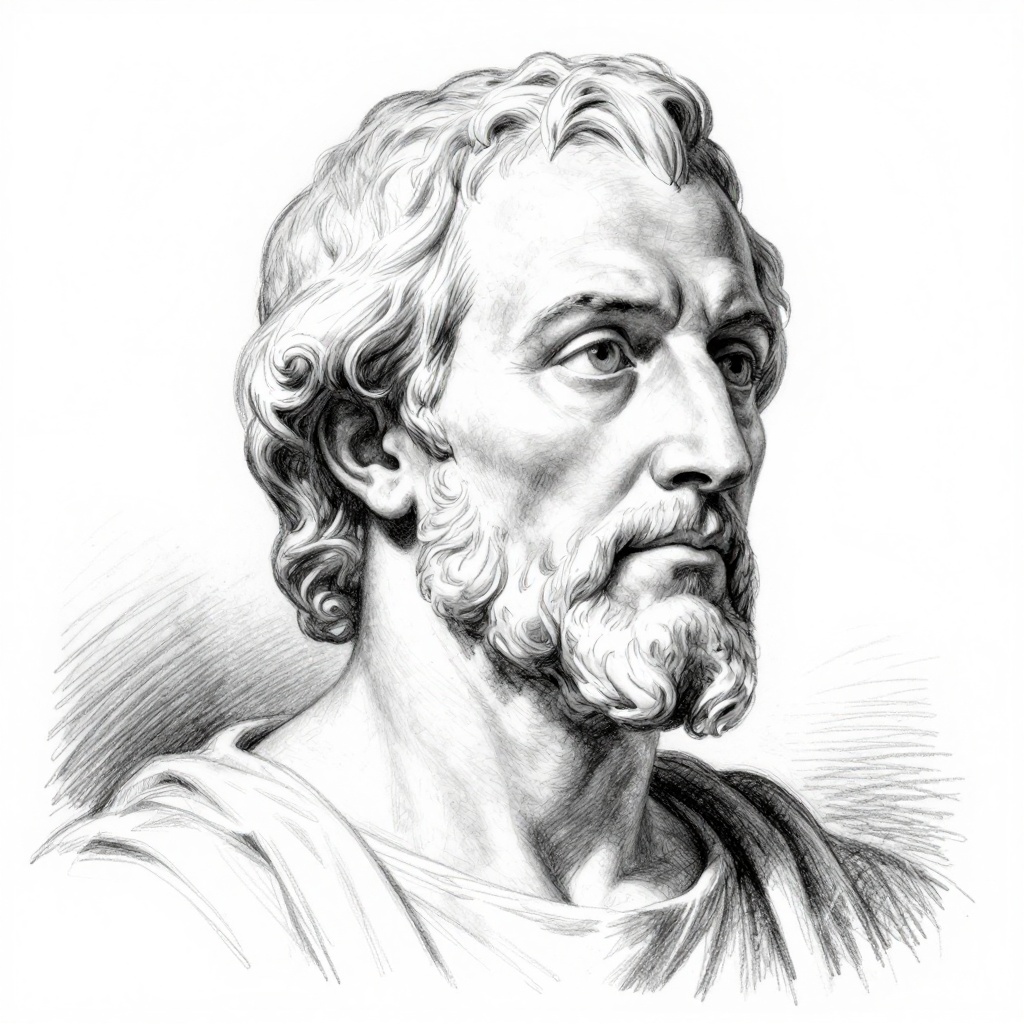
Aristotle was a Greek philosopher and polymath who lived from 384 to 322 BC. He is known for being one of the greatest thinkers in Western philosophy and for his contributions to a wide array of subjects including metaphysics, ethics, politics, biology, and logic. Aristotle was a student of Plato and the teacher of Alexander the Great.
Comments