Quote · Added 14 February 2026
There is no great genius without some touch of madness.
AristotleOn Tranquility of Mind, Seneca the Younger, c. 60
Filed undergenius·madness·creativity
Quote · Added 14 February 2026
Filed undergenius·madness·creativity
We tend to think of genius as pure logic and control—the perfectly organized mind. But Aristotle noticed something that still rings true: the breakthroughs that matter usually come from people willing to think sideways, to obsess over ideas others find pointless, to follow their curiosity into uncomfortable places. That "touch of madness" isn't actual mental illness. It's the willingness to seem a little crazy to everyone else.
Think about the people who've genuinely changed how you see the world—whether that's an artist, entrepreneur, scientist, or even just someone in your life who thinks differently. They probably don't fit neatly into how things are "supposed" to work. They might've pursued something impractical for years, or believed something before anyone else did, or cared deeply about problems no one else thought mattered yet. To ordinary people watching, that looks like mild insanity.
The flip side worth considering: not every unconventional person is a genius, and not every genius needs to be chaotic. But the point holds—real originality requires some willingness to be misunderstood, to hold ideas loosely while exploring them intensely, to let yourself think in ways that feel strange. The safest, most rational path rarely leads anywhere new.
d. 322
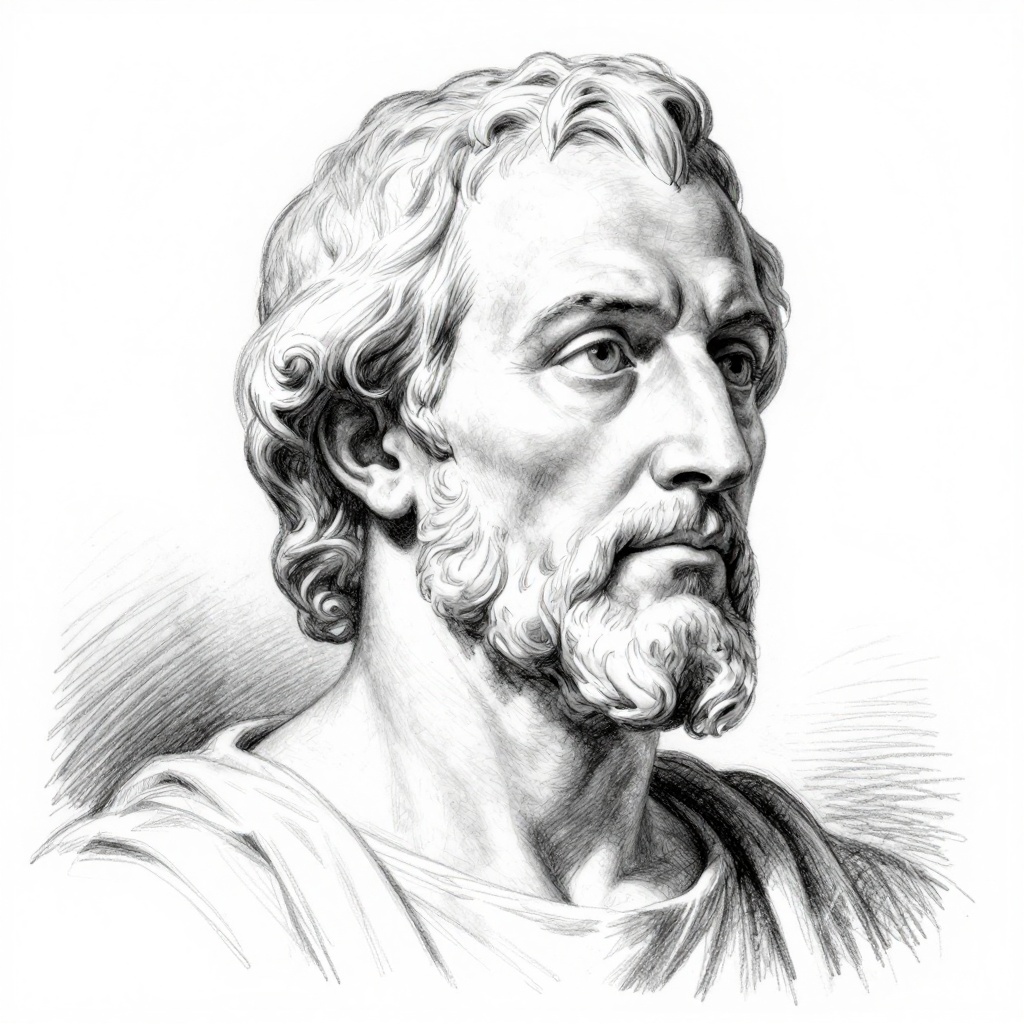
Aristotle was a Greek philosopher and polymath who lived from 384 to 322 BC. He is known for being one of the greatest thinkers in Western philosophy and for his contributions to a wide array of subjects including metaphysics, ethics, politics, biology, and logic. Aristotle was a student of Plato and the teacher of Alexander the Great.
Comments