Quote · Added 14 February 2026
The virtue of justice consists in moderation, as regulated by wisdom.
AristotleNicomachean Ethics, Book V, 350 BC
Filed underjustice·moderation·wisdom
Quote · Added 14 February 2026
Filed underjustice·moderation·wisdom
Most of us think justice means getting what we deserve—the guilty punished, the innocent freed, the scales perfectly balanced. But Aristotle points to something trickier: justice isn't about rigid rules or maximum consequences. It's about finding the right measure for each situation. A parent who punishes their child with the same severity for every mistake, or a manager who fires someone on the spot for any slip-up, might think they're being fair. But they're missing something crucial—proportionality requires actual judgment.
This is where wisdom enters. Justice demands you pause and ask: What fits here? What will actually repair the harm or address the problem? A harsh punishment for a small mistake creates its own injustice. So does leniency when accountability matters. It's the difference between following a rule mechanically and actually understanding what fairness requires in a specific moment. That's exhausting in a way that simple rules aren't—you can't just memorize the answer.
What makes this view radical for modern life is that it refuses easy answers. Social media loves proportionality in the abstract but struggles when actual judgment is required. The hardest part of being just isn't knowing the rules; it's developing the wisdom to apply them faithfully, without cruelty on one side or weakness on the other.
d. 322
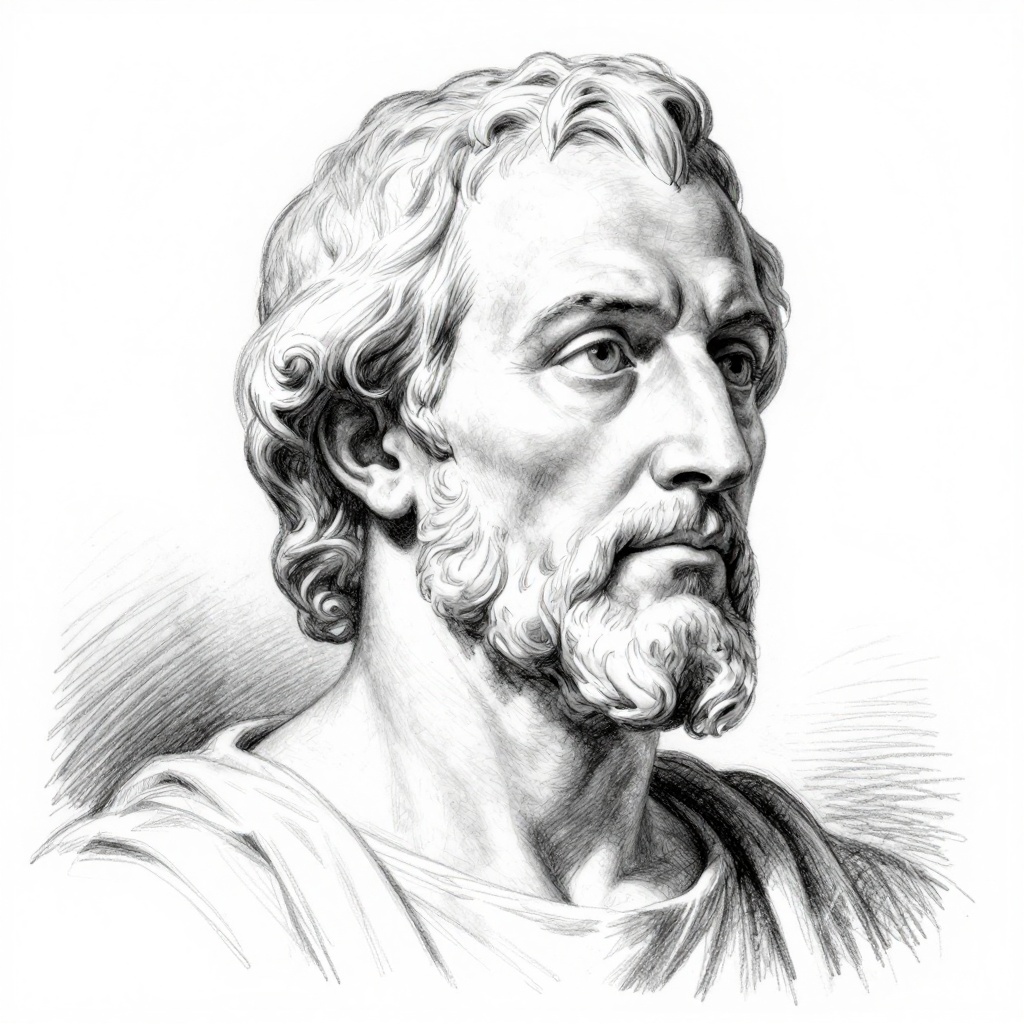
Aristotle was a Greek philosopher and polymath who lived from 384 to 322 BC. He is known for being one of the greatest thinkers in Western philosophy and for his contributions to a wide array of subjects including metaphysics, ethics, politics, biology, and logic. Aristotle was a student of Plato and the teacher of Alexander the Great.
Comments