Quote · Added 14 February 2026
The aim of the wise is not to secure pleasure, but to avoid pain.
AristotleNicomachean Ethics, Book 1, 350 BC
Quote · Added 14 February 2026
We've been sold the idea that the good life is about chasing happiness—more experiences, more wins, more stuff. But there's something quietly radical in Aristotle's point: sometimes wisdom looks less like reaching for something and more like stepping away from what hurts. Not in a defeated way, but strategically.
Think about how much energy people pour into avoiding unnecessary pain. You don't need to be told not to touch a hot stove twice. The wise person extends that same clear thinking to emotional, financial, and relational damage. They skip the drama, dodge the trap of overcommitment, turn down the deal that sounds too good to be true. It's not exciting or Instagram-worthy, but it works.
The non-obvious part? This isn't pessimism or settling. Avoiding pain and building a good life aren't opposites—they're usually the same thing. Steering clear of toxic people, compulsive spending, or dead-end anger frees you to actually enjoy what's real. It's the difference between chasing happiness (which can be exhausting and hollow) and creating the conditions where satisfaction naturally arrives. Sometimes the wisest move isn't to want more. It's to stop making yourself worse.
d. 322
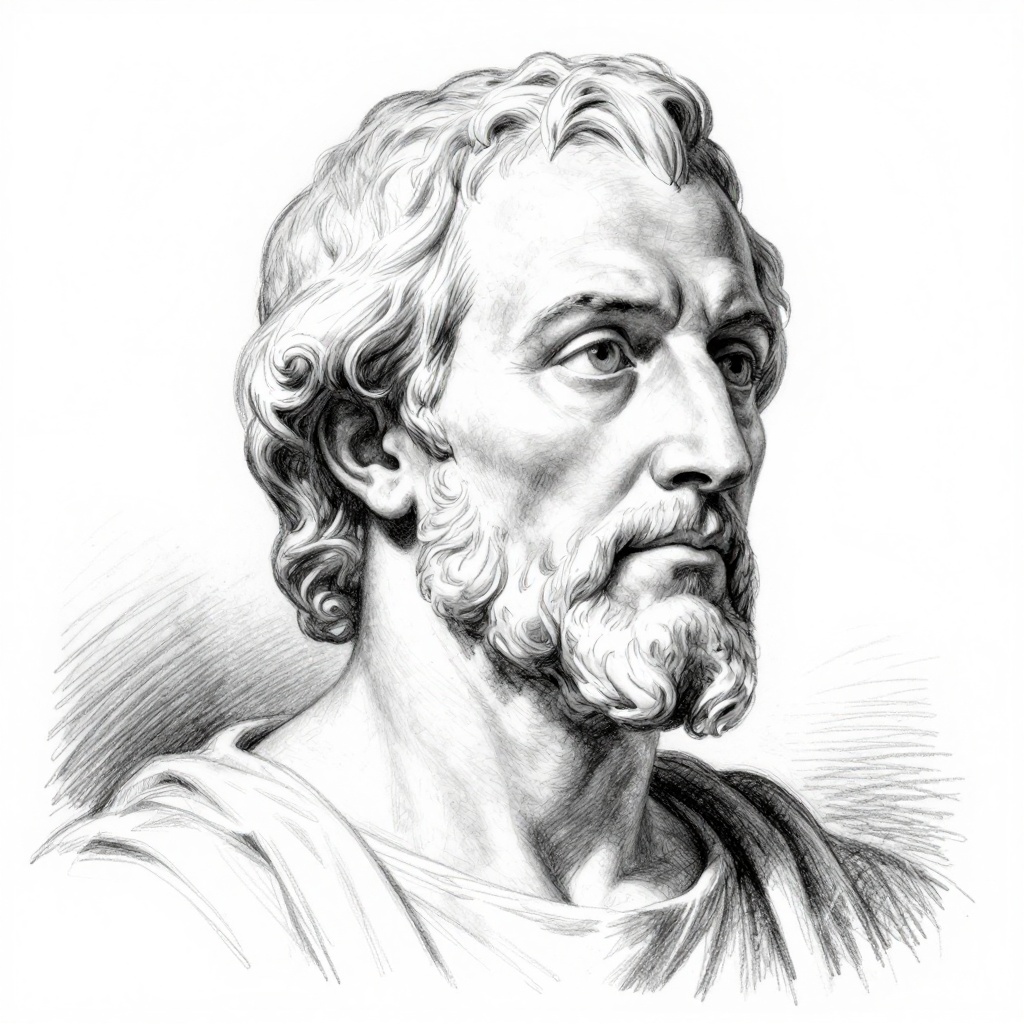
Aristotle was a Greek philosopher and polymath who lived from 384 to 322 BC. He is known for being one of the greatest thinkers in Western philosophy and for his contributions to a wide array of subjects including metaphysics, ethics, politics, biology, and logic. Aristotle was a student of Plato and the teacher of Alexander the Great.
Comments