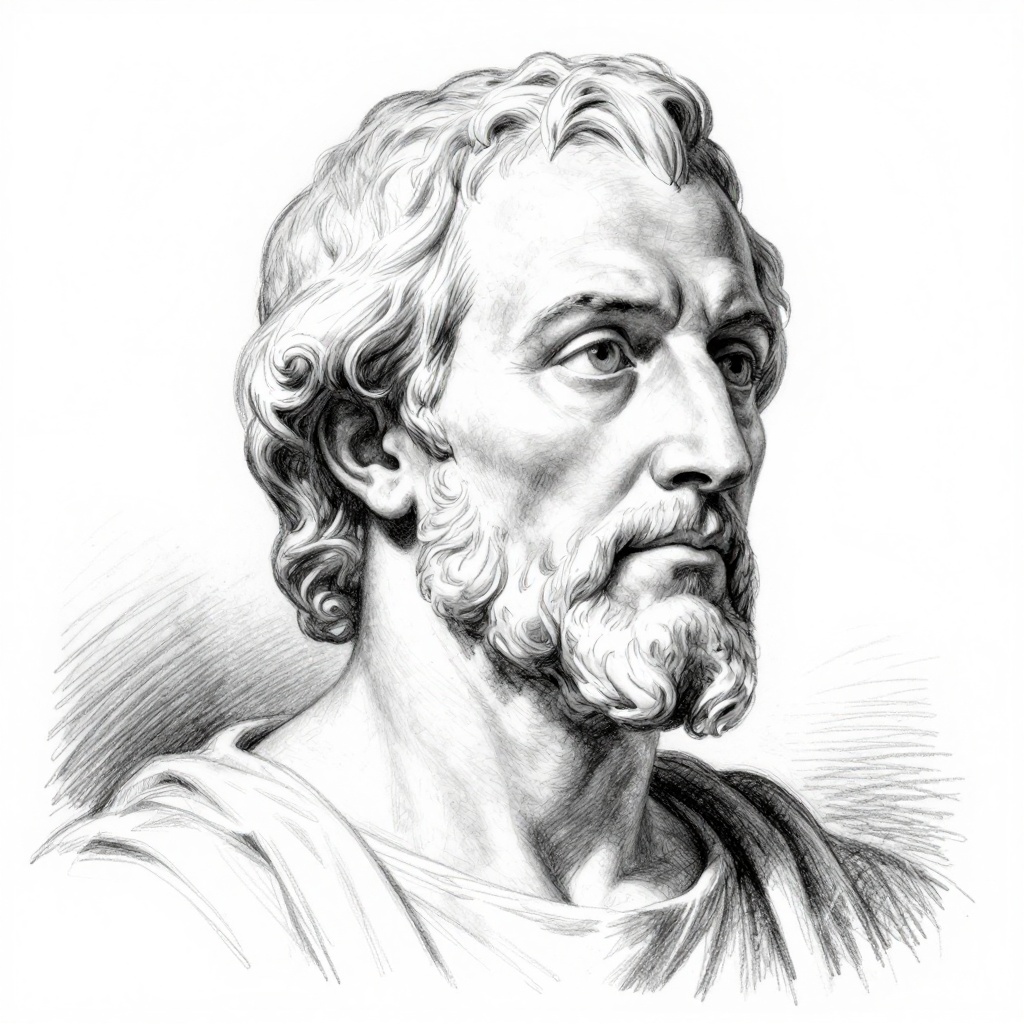
Suffering becomes beautiful when anyone bears great calamities with cheerfulness, not through insensibility bu... — Aristotle
Suffering becomes beautiful when anyone bears great calamities with cheerfulness, not through insensibility but through greatness of mind.
Author: Aristotle
Insight: We often mistake strength for the absence of pain. But there's something worth noticing in how certain people move through genuine hardship—not by pretending it doesn't hurt, but by refusing to let it shrink them. They're still aware of exactly how bad things are; they're just choosing not to become smaller because of it. That distinction matters more than it first seems. The real challenge isn't reaching some zen state where nothing bothers you. It's staying yourself, maybe even more yourself, while carrying something heavy. When someone loses their job but still shows up for their kid's soccer game with actual presence, or faces a health crisis without weaponizing their suffering against everyone around them—that's the kind of strength Aristotle points to. It's not about toxic positivity or "good vibes only." It's about deciding that your circumstances don't get to define the size of your character. What makes this beautiful, and what makes it rare, is that it requires real work. It's the difference between being beaten down and choosing to keep standing anyway, fully aware of the weight. That kind of response to difficulty doesn't inspire people because it looks easy—it inspires because it looks like courage, which it is.
Source: Nicomachean Ethics, Book III