Quote · Added 14 February 2026
Nothing is more dangerous to men than a sudden change of fortune.
AristotleDe Institutione Oratoria, XII, 6, 3
Quote · Added 14 February 2026
We often think of sudden good luck as purely positive, something to celebrate without reservation. But Aristotle was pointing at something real: when fortune shifts dramatically, it can scramble your sense of who you are and what you're capable of. A person who wins the lottery or suddenly gets promoted sometimes unravels, not because success is inherently corrupting, but because they haven't had time to adjust their self-image to match their new circumstances.
The danger isn't just about external pressure—it's internal. When things change too fast, you lose your bearings. The person who's always struggled suddenly has resources but no practice managing them. The underdog who becomes the favorite loses the clarity that came from having nothing to lose. We see this in sudden fame, inheritance, or even a big career leap. People often sabotage themselves not out of malice but out of sheer disorientation, like someone who's been living in a dim room and can't quite see straight when the lights flood on.
This matters because it suggests that real stability isn't just about protecting yourself from disaster—it's about giving yourself time to integrate change. The people who handle sudden fortune best aren't those with the strongest will, but those who can pause, breathe, and let their sense of self catch up to their circumstances.
d. 322
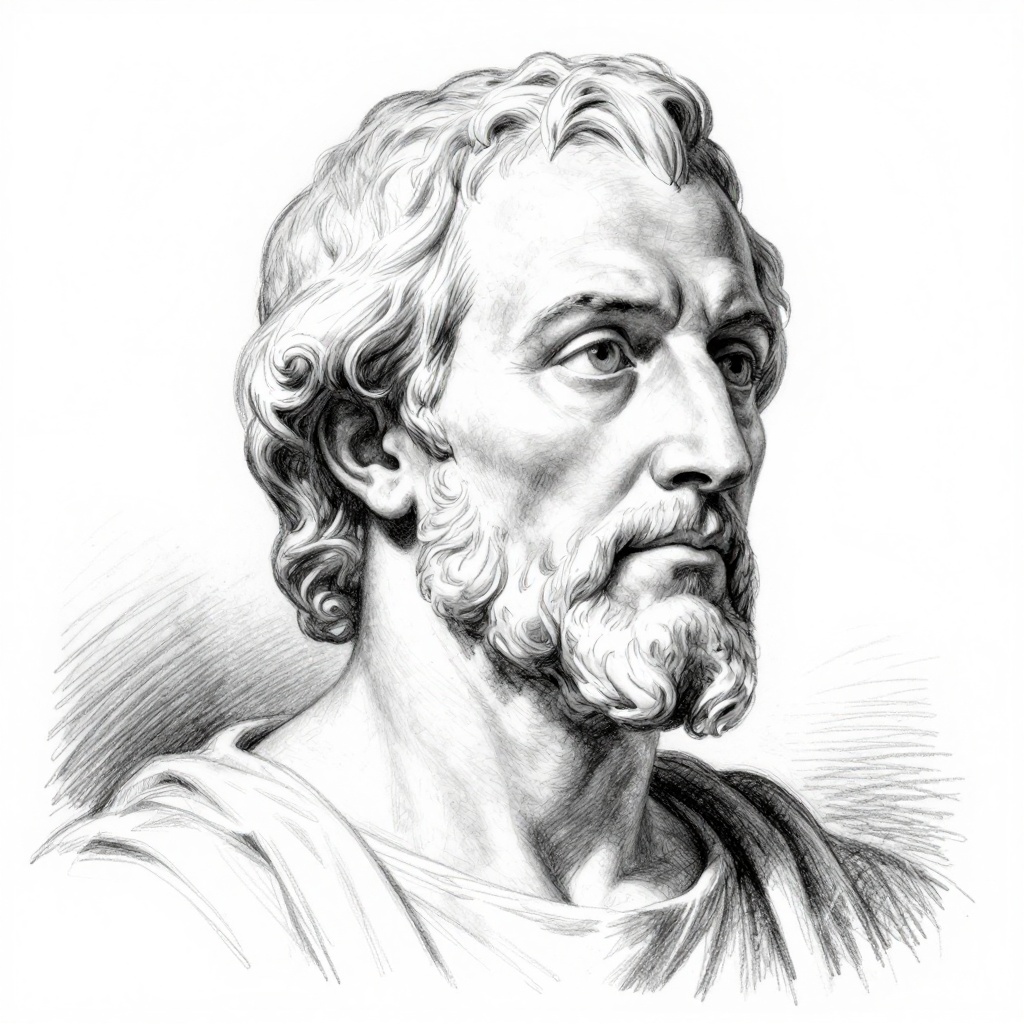
Aristotle was a Greek philosopher and polymath who lived from 384 to 322 BC. He is known for being one of the greatest thinkers in Western philosophy and for his contributions to a wide array of subjects including metaphysics, ethics, politics, biology, and logic. Aristotle was a student of Plato and the teacher of Alexander the Great.
Comments