Quote · Added 15 February 2026
Knowing yourself is the beginning of all wisdom.
AristotleNicomachean Ethics, Book 6, Chapter 7
Quote · Added 15 February 2026
Most of us spend our lives reacting to what's expected of us—what our parents suggested, what our peers do, what our job requires. We get surprisingly far on autopilot, following scripts written by other people. But Aristotle's point cuts deeper than just "know your strengths." He means the actual work of noticing who you are, which is harder and less comfortable than it sounds.
Self-knowledge isn't flattering. It means recognizing not just your talents but your patterns—how you actually behave under stress, what you're genuinely willing to do versus what you tell yourself you should do, where your values crack under pressure. Most people skip this step and jump straight to self-improvement, which is why they keep repeating the same mistakes in different relationships or jobs.
The non-obvious part: knowing yourself isn't selfish introspection. It's actually what makes you less selfish. Once you understand your real limits, triggers, and motivations, you stop projecting them onto others or expecting them to fill gaps only you can address. You make better decisions not because you're enlightened, but because you're working with accurate information. That's where actual wisdom begins.
d. 322
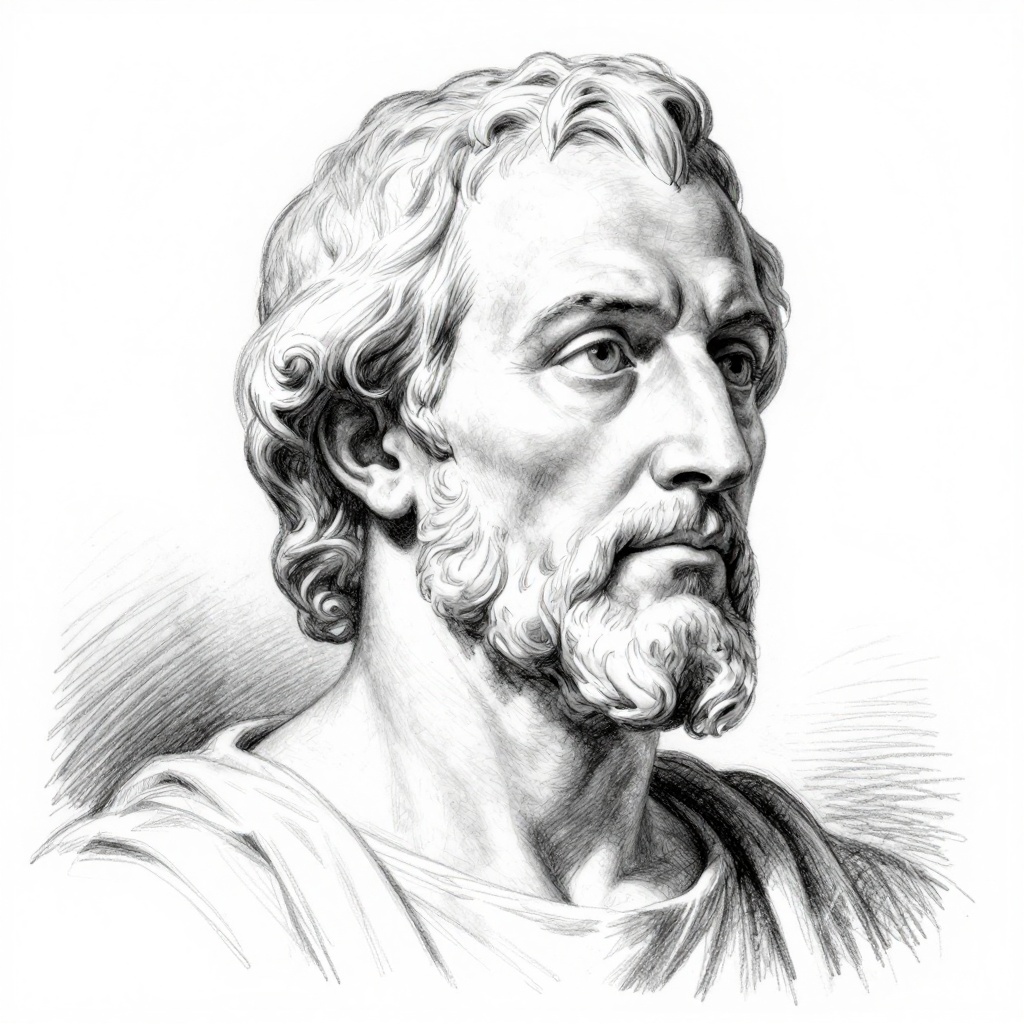
Aristotle was a Greek philosopher and polymath who lived from 384 to 322 BC. He is known for being one of the greatest thinkers in Western philosophy and for his contributions to a wide array of subjects including metaphysics, ethics, politics, biology, and logic. Aristotle was a student of Plato and the teacher of Alexander the Great.
Comments