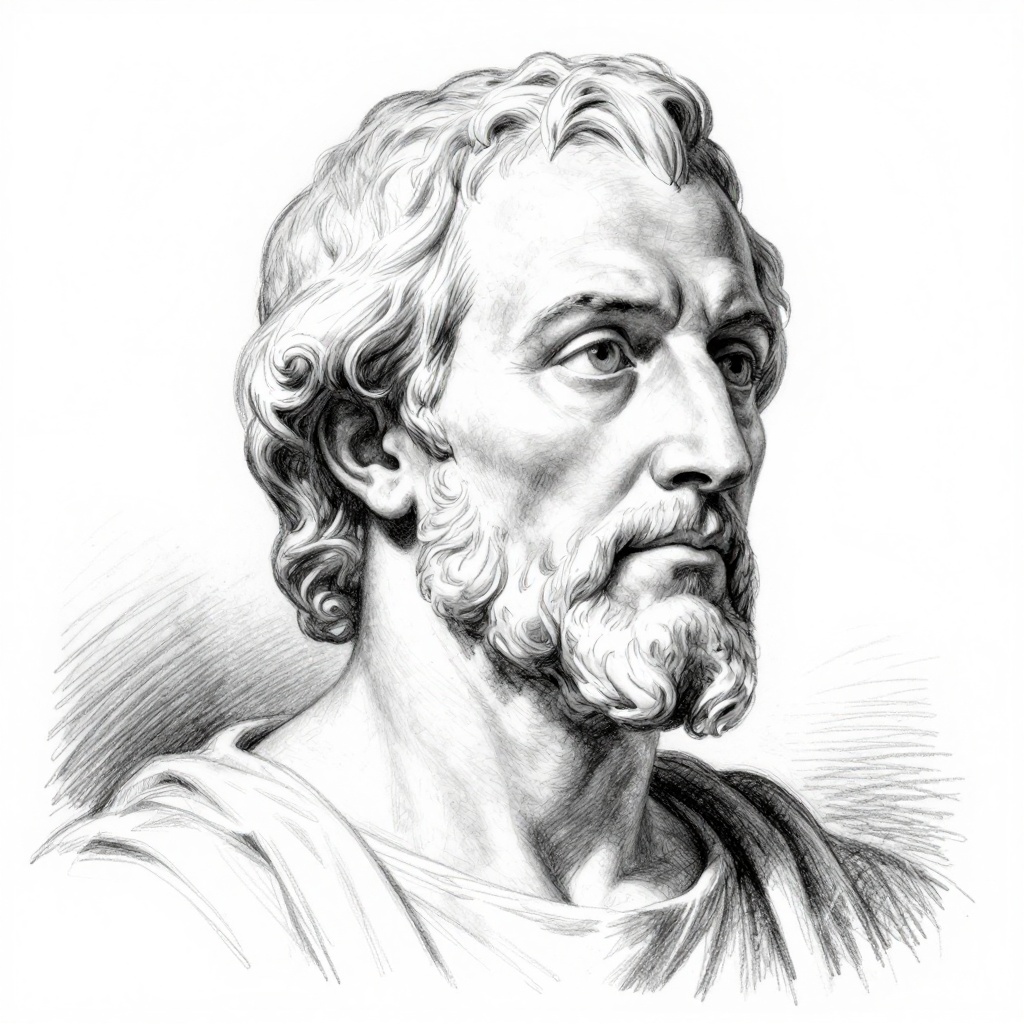
In poverty and other misfortunes of life, true friends are a sure refuge. The young they keep out of mischief;... — Aristotle
In poverty and other misfortunes of life, true friends are a sure refuge. The young they keep out of mischief; to the old they are a comfort and aid in their weakness, and those in the prime of life they incite to noble deeds.
Author: Aristotle
Insight: Friendship might be one of those things we take for granted until we actually need it. When life falls apart—whether that's financial stress, health problems, or just the weight of everything going wrong—we don't reach for a self-help book or a motivational speech. We reach for someone who actually knows us. That person who doesn't need you to explain why you're struggling, who shows up without being asked, who reminds you that you're not alone in this. What's interesting is how Aristotle breaks down friendship across different seasons of life. For younger people, friends are the guardrails—they keep you from making decisions you'll regret when you're vulnerable or searching for meaning. For older people, friendship becomes practical support and companionship that no amount of money can buy. But there's a middle ground he's pointing to as well: friendship as something that activates us, that pushes us toward doing something worthwhile with our one life. Today we often treat friendship as optional entertainment, something we fit in around work and family obligations. But Aristotle saw it as infrastructure—the thing that holds us up when everything else fails, and that lifts us up when we're capable of more than we realize.
Source: Nicomachean Ethics, Book IX, 1169b