Quote · Added 29 June 2024
In anger, we should refrain both from speech and action.
AristotleRhetoric, Book 2, Chapter 2
Quote · Added 29 June 2024
We've all been there—that moment when something infuriates us and we can feel the words piling up, ready to launch. Aristotle's advice sounds simple enough, but it cuts against something real in how we're wired. Anger feels urgent, like we're losing something precious if we don't respond immediately. So we snap at a partner, fire off a harsh email, or say something we regret in a meeting. And for a few seconds it feels righteous, like we're finally standing up for ourselves.
What makes this wisdom stick is the recognition that anger is a particularly bad counselor. It narrows our vision and cranks up our conviction that we're right. When you act from that state, you're essentially letting your nervous system make decisions your wiser self wouldn't make. The person you hurt becomes defensive. The conversation derails. You end up managing the wreckage instead of the original problem.
The harder part, though, isn't refraining from speech or action—it's the patience it requires. You have to sit with the discomfort, let the heat cool a little, and let your full mind come back online. That's not weakness or suppression. It's the difference between reacting and actually choosing how to respond. Sometimes that choice is still firm, even direct. But it's yours.
d. 322
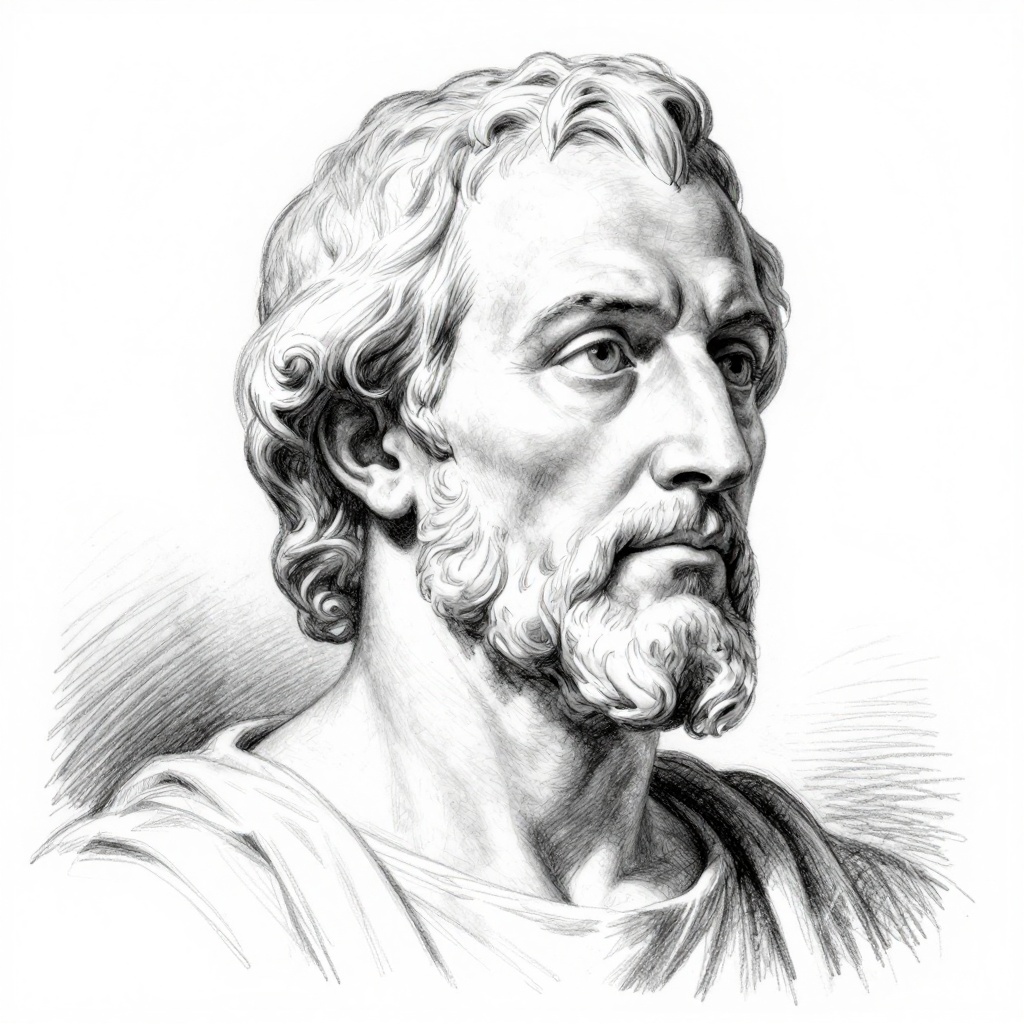
Aristotle was a Greek philosopher and polymath who lived from 384 to 322 BC. He is known for being one of the greatest thinkers in Western philosophy and for his contributions to a wide array of subjects including metaphysics, ethics, politics, biology, and logic. Aristotle was a student of Plato and the teacher of Alexander the Great.
Comments