Quote · Added 14 February 2026
Hope is a waking dream.
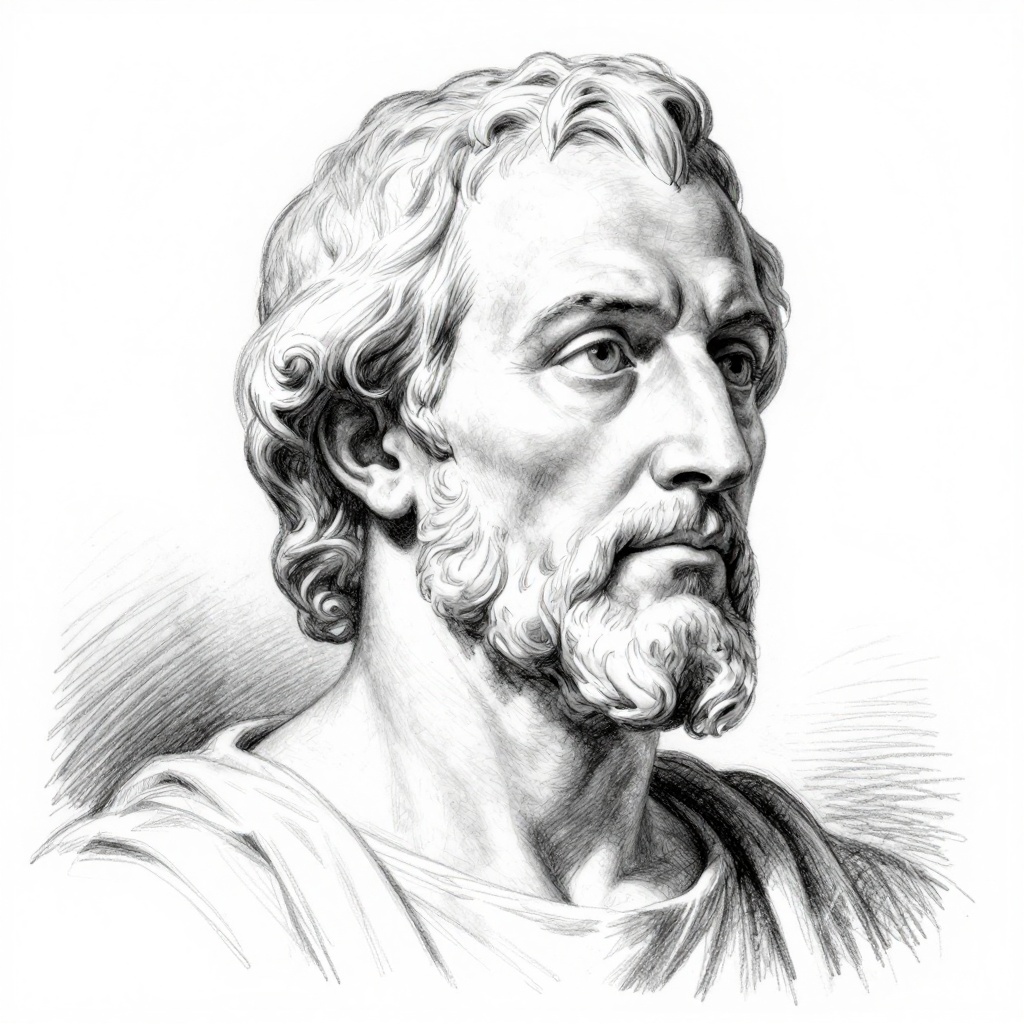
AristotleNicomachean Ethics, p. 123, 2000
Filed underhope·dream·aspiration
Quote · Added 14 February 2026
Filed underhope·dream·aspiration
Hope sits in this strange territory between fantasy and reality. It's not quite belief—you can hope for something you don't fully expect—and it's not quite delusion either. It's that particular state of mind where you're awake enough to see the real obstacles, but imaginative enough to keep picturing a better outcome anyway. When you're hopeful, you're actually working with both eyes open: one on the world as it is, the other on the world as it could be.
The tricky part is that hope requires this balance. Too much dreaming and you become passive, waiting for magic instead of acting. But too little imagination, and you stop trying altogether. We see this play out constantly: the job seeker who rehearses the interview (dream) while actually sending applications (awake), or the person trying to change a habit who visualizes success while also doing the unglamorous daily work. Hope isn't the fantasy that replaces effort—it's the fuel that makes effort feel purposeful.
What makes this quote still hit is that it acknowledges something we rarely say out loud: hope has always had a little unreality baked into it. That's not a flaw. It's exactly what makes hope functional. The dream part is what keeps us moving when logic alone would suggest giving up.
d. 322
Aristotle was a Greek philosopher and polymath who lived from 384 to 322 BC. He is known for being one of the greatest thinkers in Western philosophy and for his contributions to a wide array of subjects including metaphysics, ethics, politics, biology, and logic. Aristotle was a student of Plato and the teacher of Alexander the Great.
Comments