Quote · Added 14 February 2026
He who is unable to live in society, or who has no need because he is sufficient for himself, must be either a beast or a god.
AristotleNicomachean Ethics, Book I, 2000
Quote · Added 14 February 2026
We tend to think of independence as the ultimate good—the ability to stand alone, need nobody, solve everything yourself. But Aristotle catches something we often miss: total self-sufficiency isn't actually admirable. It's weird. It suggests you're either operating on an animal level (pure instinct, no cooperation) or you've transcended into something superhuman.
The uncomfortable truth is that needing others isn't weakness—it's the basic condition of being human. We're built for connection in ways we can't opt out of. You need people to teach you language, to challenge your thinking, to remind you who you are on hard days. The person who claims they don't need anyone often isn't enlightened; they're isolated and calling it strength. We romanticize the lone wolf, but Aristotle knew that actual flourishing happens inside community, even when it's messy and requires compromise.
This matters now because loneliness has become almost fashionable as a side effect of success—the busier and more accomplished you become, the more isolated you might grow. But solitude chosen because you genuinely have nothing left to give or learn from others? That's the real warning. The healthiest version of yourself isn't the one who needs nobody. It's the one who knows exactly how to need people well.
d. 322
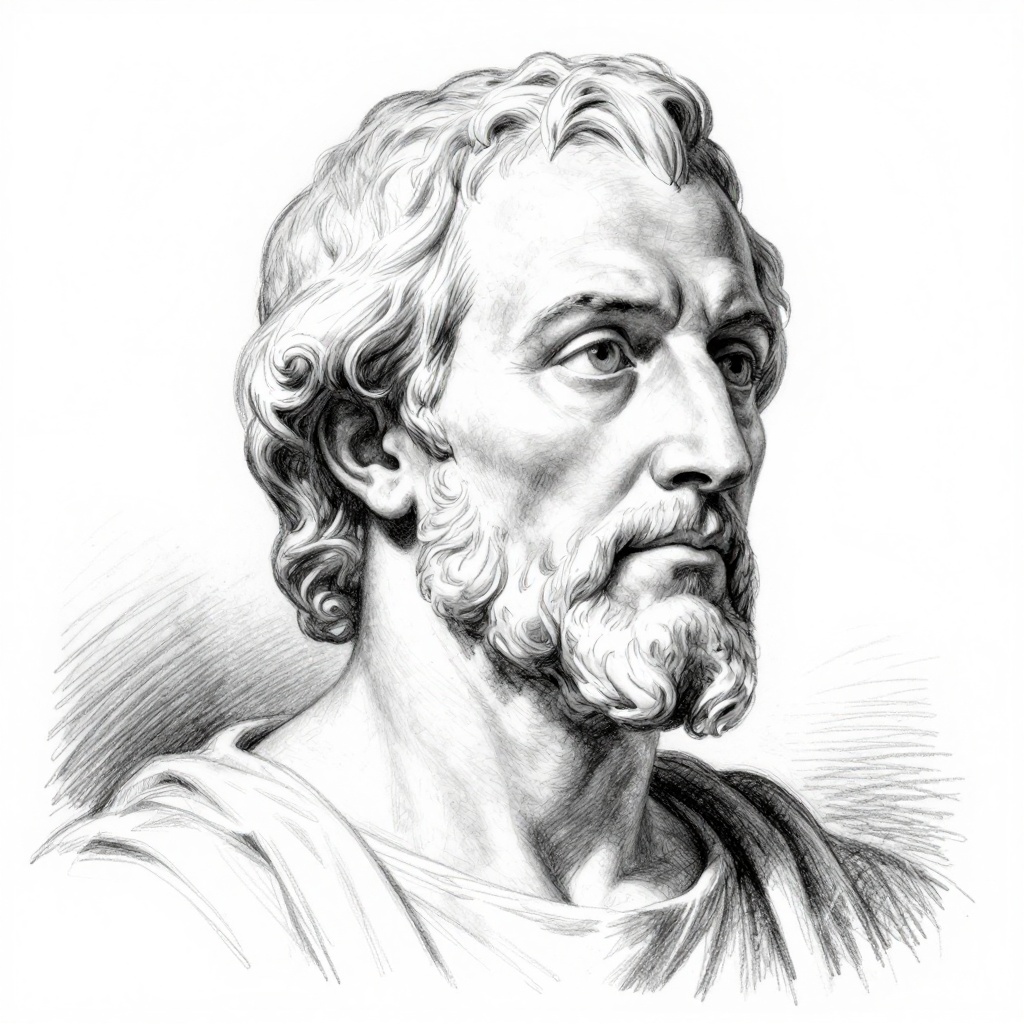
Aristotle was a Greek philosopher and polymath who lived from 384 to 322 BC. He is known for being one of the greatest thinkers in Western philosophy and for his contributions to a wide array of subjects including metaphysics, ethics, politics, biology, and logic. Aristotle was a student of Plato and the teacher of Alexander the Great.
Comments