Quote · Added 15 February 2026
He who has never learned to obey cannot be a good commander.
Filed underobedience·leadership·discipline
Quote · Added 15 February 2026
Filed underobedience·leadership·discipline
Most of us think leadership and obedience are opposites—that real leaders break free from rules and do their own thing. But Aristotle was pointing at something quieter and more useful: you can't actually lead people well unless you've genuinely understood what it feels like to follow someone else's direction. When you've never had to work within constraints, never had to trust someone else's judgment over your own impulse, you don't develop the empathy that good leadership requires.
This shows up everywhere. The manager who's never worked a junior role tends to be shocked when deadlines slip or details get missed—they've forgotten the actual texture of being on the receiving end of orders. The parent who was never expected to follow house rules as a kid often struggles to set boundaries their own children actually respect. There's a missing piece of wisdom that only comes from having genuinely submitted to someone else's authority and felt what that demands from you.
The counterintuitive part? Learning to obey well isn't about becoming compliant or losing yourself. It's about developing the discipline to understand why a rule exists, to execute someone else's vision faithfully, and to know the difference between a boundary that's unjust and one that's just inconvenient. That's the education that actually prepares you to lead.
d. 322
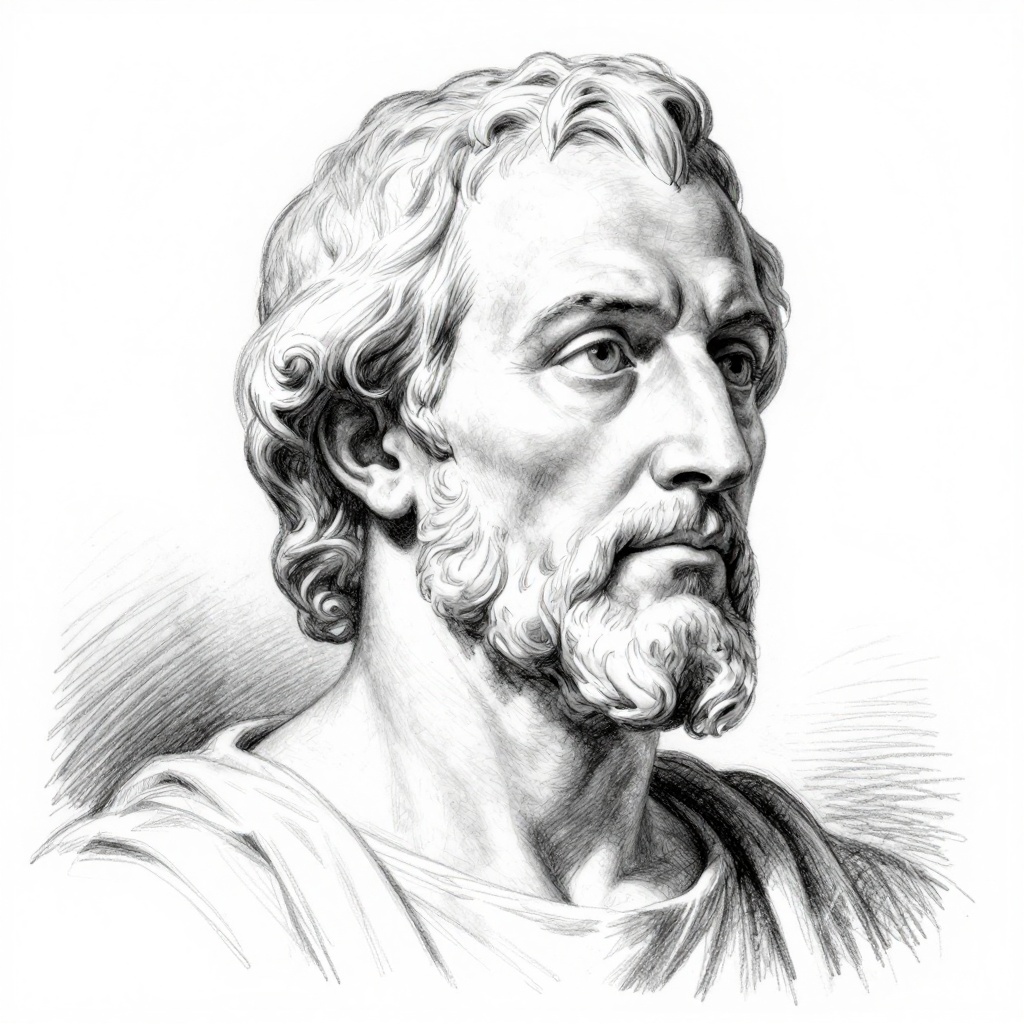
Aristotle was a Greek philosopher and polymath who lived from 384 to 322 BC. He is known for being one of the greatest thinkers in Western philosophy and for his contributions to a wide array of subjects including metaphysics, ethics, politics, biology, and logic. Aristotle was a student of Plato and the teacher of Alexander the Great.
Comments