Quote · Added 14 February 2026
Happiness depends upon ourselves.
AristotleNicomachean Ethics, 2000
Filed underhappiness·self·responsibility
Quote · Added 14 February 2026
Filed underhappiness·self·responsibility
We often treat happiness like weather—something that happens to us rather than something we build. But Aristotle's insight cuts through that myth: your emotional life isn't determined by your circumstances, your job, your relationship status, or even your luck. It's determined by the choices you make every single day, sometimes every single hour.
This is both liberating and uncomfortable. Liberating because it means you're not trapped waiting for the perfect job or the perfect person to feel okay. Uncomfortable because it removes the excuse. You can't blame traffic or a bad day at work for staying angry all evening—well, you can, but you'd be dodging responsibility for your own mind. The practical version of this is noticing where you're outsourcing your mood: scrolling when you're bored instead of doing something that matters, complaining instead of problem-solving, staying in conversations that drain you instead of stepping away.
The twist is that this isn't about forcing positivity or toxic gratitude. It's about recognizing that small choices compound. Reading instead of doomscrolling, setting a boundary instead of resenting someone, going for a walk instead of sitting in frustration—these aren't luxuries. They're the actual infrastructure of a life that feels good.
d. 322
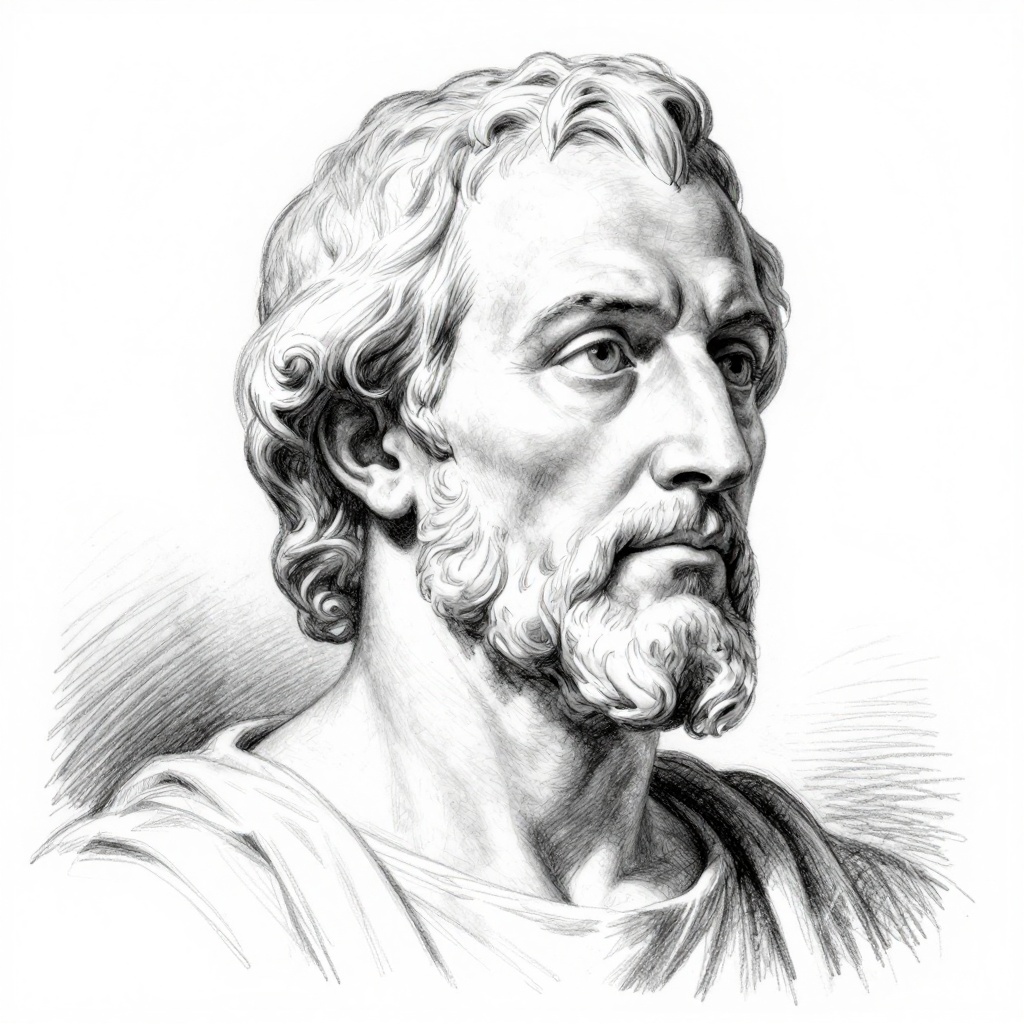
Aristotle was a Greek philosopher and polymath who lived from 384 to 322 BC. He is known for being one of the greatest thinkers in Western philosophy and for his contributions to a wide array of subjects including metaphysics, ethics, politics, biology, and logic. Aristotle was a student of Plato and the teacher of Alexander the Great.
Comments