Quote · Added 7 February 2026
Good habits formed at youth make all the difference.
AristotleNicomachean Ethics, Book 2
Quote · Added 7 February 2026
There's something almost unfair about this truth: the habits you build before you're twenty-five tend to echo for decades. Not because you're locked in forever, but because habits are like grooves worn into vinyl—once they're deep, the needle keeps following them without much effort. The person who learns to save money early, or to read difficult things, or to move their body regularly doesn't white-knuckle these choices at forty. They just happen.
But here's the twist nobody likes to admit: this isn't really about youth. It's about when you're still building your identity. Some people form their core habits at twenty-two, others at thirty-five. The point is that habits stick harder when you're not yet calcified by years of doing things the other way. Once you've spent fifteen years procrastinating, that groove is deep. But if you're starting fresh—whether you're actually young or just young relative to how long you've been doing something—the effort is lower and the payoff is higher.
The practical angle? Don't wait for the "perfect time" to start. And don't judge yourself for your current habits too harshly. Just recognize that today is still early for whatever you want to become. The grooves aren't done forming yet.
d. 322
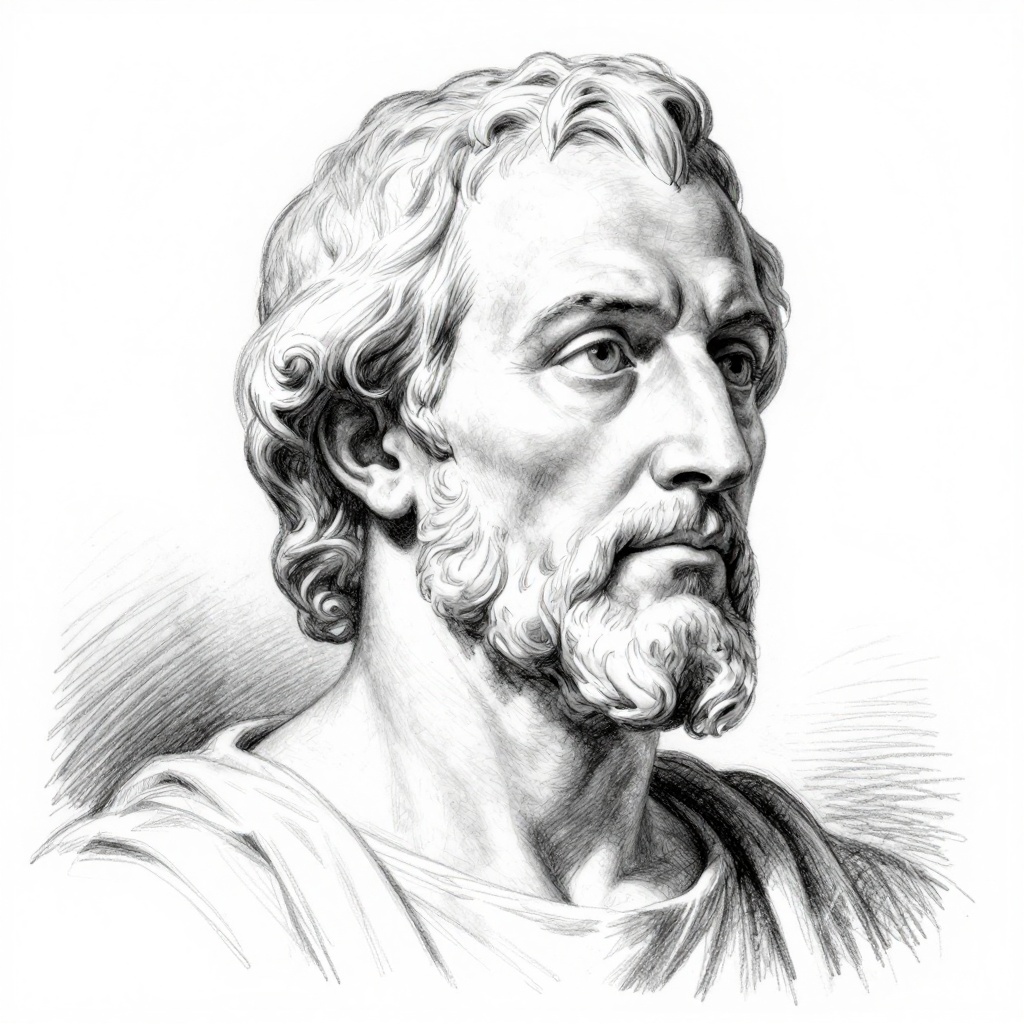
Aristotle was a Greek philosopher and polymath who lived from 384 to 322 BC. He is known for being one of the greatest thinkers in Western philosophy and for his contributions to a wide array of subjects including metaphysics, ethics, politics, biology, and logic. Aristotle was a student of Plato and the teacher of Alexander the Great.
Comments