Quote · Added 14 February 2026
Education is the best provision for old age.
AristotleNicomachean Ethics, p. 109, 2000
Quote · Added 14 February 2026
There's something quietly radical about this idea: that the best investment you can make isn't money in the bank, but knowledge in your mind. Aristotle was saying something we often forget when we're grinding toward retirement accounts and pension plans—that what actually sustains you as you age is the ability to think, to understand, to keep learning. A mind that's curious and engaged doesn't just pass time; it stays alive in a way that pure comfort can't replicate.
The surprising part is how this plays out in real life. We know retirees who seem to fade once their job is gone, suddenly purposeless. But others—the ones who read voraciously, who pursue hobbies deeply, who stay intellectually engaged—seem to thrive. They're not necessarily wealthier. They've just built something internal that doesn't depend on a paycheck or even physical ability. Education here doesn't mean degrees; it means the habit of understanding the world around you, of asking questions, of staying mentally flexible.
What makes this truly practical for today is that it flips the script on how we think about getting older. Instead of bracing for decline, it suggests the real security comes from becoming the kind of person whose company—even to yourself—remains interesting. That's a resource no market crash can take away.
d. 322
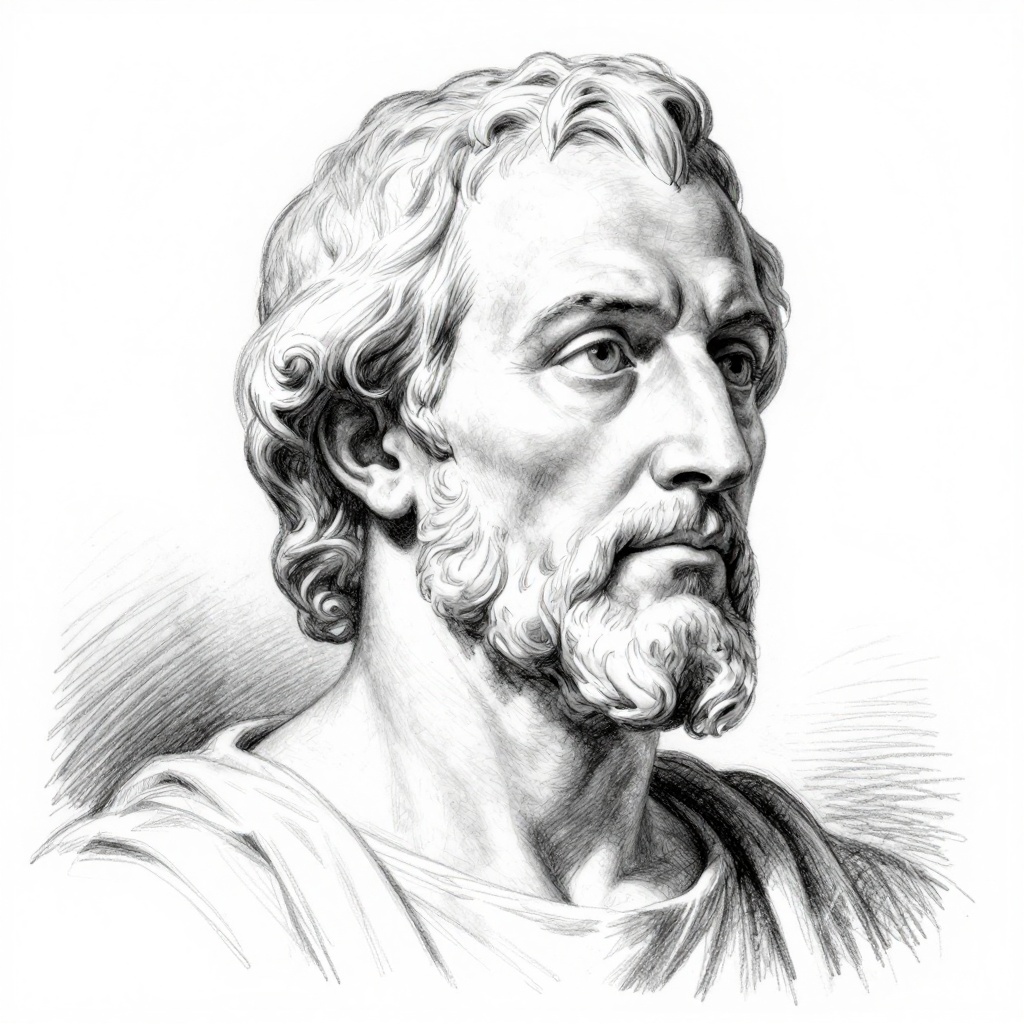
Aristotle was a Greek philosopher and polymath who lived from 384 to 322 BC. He is known for being one of the greatest thinkers in Western philosophy and for his contributions to a wide array of subjects including metaphysics, ethics, politics, biology, and logic. Aristotle was a student of Plato and the teacher of Alexander the Great.
Comments