Quote · Added 14 February 2026
Education is an ornament in prosperity and a refuge in adversity.
AristotleNovelguide
Filed undereducation·prosperity·resilience
Quote · Added 14 February 2026
Filed undereducation·prosperity·resilience
We tend to think of education as a practical investment—the thing that gets you a job, moves you up the ladder. But Aristotle's framing cuts deeper. When life is good, learning becomes almost luxurious. You read books for pleasure, take classes just because you're curious, develop tastes and interests that make you a more interesting person. It's ornamental in the best sense—it decorates your mind and expands who you are.
But the tougher part of this idea applies when things fall apart. A job disappears. A relationship ends. Plans crumble. That's when education becomes a genuine shelter. Not because you can leverage a credential, but because your mind has somewhere to go. You have ideas to turn over, frameworks to understand what's happening, worlds inside books and knowledge to inhabit. The person who has cultivated their thinking has an actual refuge—not escape exactly, but a place where meaning still exists.
The non-obvious insight here: education isn't primarily about climbing. It's about building the interior life that sustains you whether circumstances are rising or falling. The educated person isn't someone who escaped difficulty through credentials. They're someone who kept themselves company through it.
d. 322
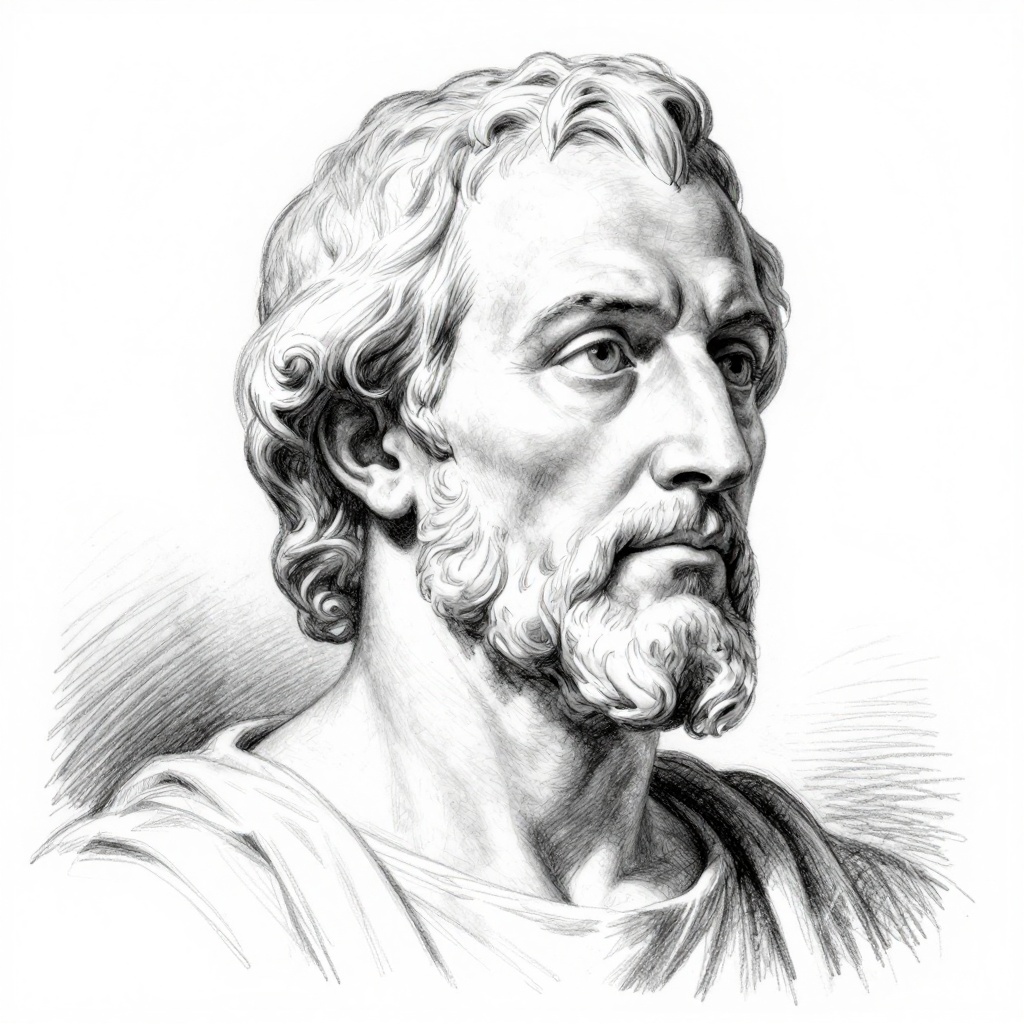
Aristotle was a Greek philosopher and polymath who lived from 384 to 322 BC. He is known for being one of the greatest thinkers in Western philosophy and for his contributions to a wide array of subjects including metaphysics, ethics, politics, biology, and logic. Aristotle was a student of Plato and the teacher of Alexander the Great.
Comments