Quote · Added 14 February 2026
Democracy is when the indigent, and not the men of property, are the rulers.
AristotlePolitics, Book IV, 350 BC
Quote · Added 14 February 2026
We often picture democracy as something noble and abstract—voting booths, equal representation, the voice of the people. But Aristotle was pointing at something messier and more uncomfortable: actual power shifting away from those who own things. That's why democracy has always scared wealthy people, and why it still does.
The insight here is that democracy isn't just about procedures or fairness. It's fundamentally about redistribution. When ordinary people gain real decision-making power, they tend to use it to protect their own interests—which means taxing the rich more, demanding better wages, voting for social programs. This creates permanent tension. The poor have the votes but not the money; the wealthy have the money but not the votes. Someone's always unhappy.
What's surprising is how Aristotle saw this clearly 2,400 years ago, yet we still act shocked when democracy produces outcomes the wealthy don't like. We talk about "polarization" and "dysfunction" when really we're watching wealth and power genuinely at odds with each other. That's not a bug in democracy—it's the whole point. The question isn't whether democracy will threaten privilege. It's whether we'll accept that fundamental conflict as the price of letting ordinary people have a say.
d. 322
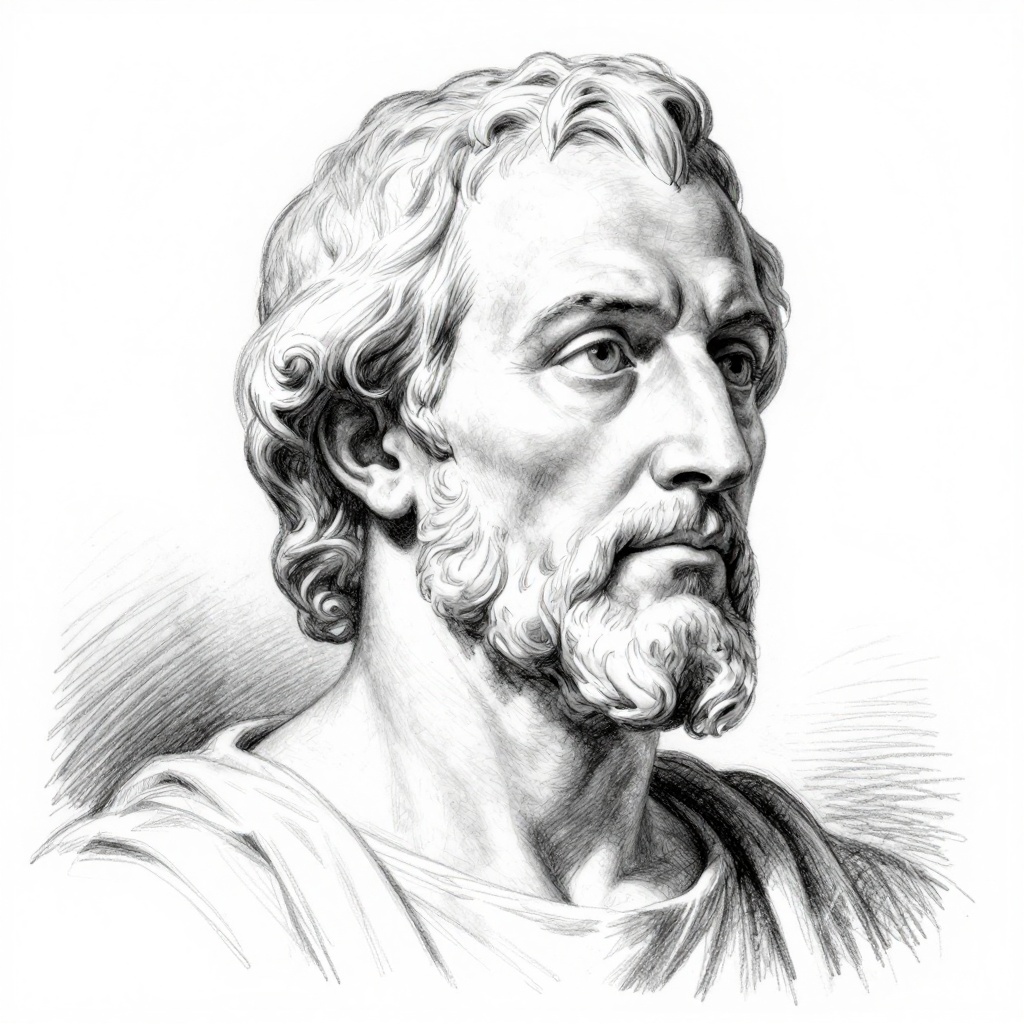
Aristotle was a Greek philosopher and polymath who lived from 384 to 322 BC. He is known for being one of the greatest thinkers in Western philosophy and for his contributions to a wide array of subjects including metaphysics, ethics, politics, biology, and logic. Aristotle was a student of Plato and the teacher of Alexander the Great.
Comments