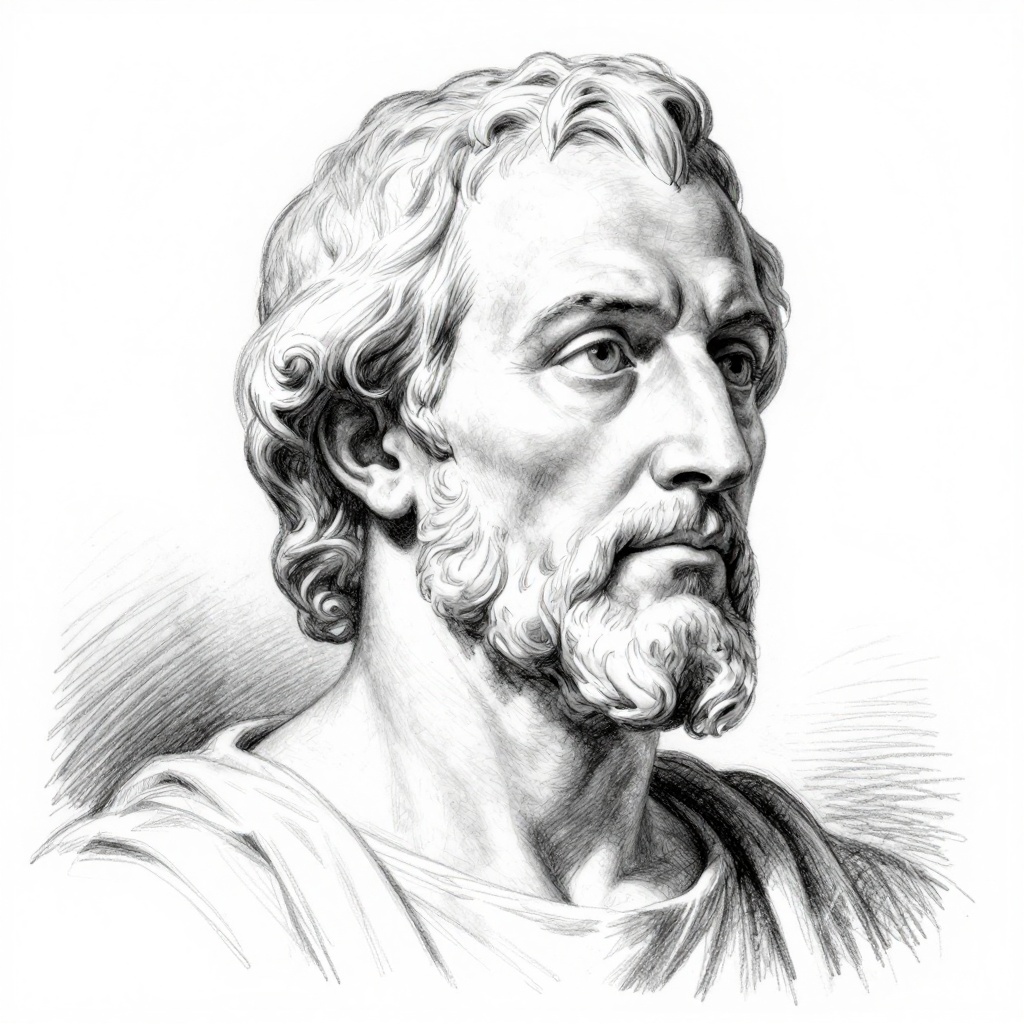
Anybody can become angry - that is easy, but to be angry with the right person and to the right degree and at... — Aristotle

Anybody can become angry - that is easy, but to be angry with the right person and to the right degree and at the right time and for the right purpose, and in the right way - that is not within everybody's power and is not easy.

Author: Aristotle

Insight: We usually think of anger as something we either feel or don't—like it's a switch that flips on or off. But Aristotle is pointing at something more useful: anger itself isn't the problem. The problem is that most of us are terrible at aiming it. Think about your last real frustration. Maybe a friend flaked on plans, or someone took credit for your work. The anger was automatic and easy. What's actually hard is the calibration—deciding whether this situation deserves a serious conversation or just a quick mention, whether you should address it today or give everyone time to cool down, whether the person genuinely messed up or was overwhelmed. Getting those details right requires actual judgment and self-knowledge. It means knowing what you're angry about well enough to name it clearly, and understanding what response might actually fix something rather than just make you feel temporarily better. This matters because unguided anger tends to either damage relationships unnecessarily or get stuffed down until it festers. The middle path—the skilled use of justified anger—is rarer than it should be. It's not about being nice or suppressing what you feel. It's about being precise enough that your anger serves you instead of just running you over.

Source: Nicomachean Ethics, Book II, 1109a26-29

Anybody can become angry - that is easy, but to be angry with the right person and to the right degree and at the right time and for the right purpose, and in the right way - that is not within everybody's power and is not easy.

AristotleNicomachean Ethics, Book II, 1109a26-29

Anger is Easy, Aiming It Isn't

We usually think of anger as something we either feel or don't—like it's a switch that flips on or off. But Aristotle is pointing at something more useful: anger itself isn't the problem. The problem is that most of us are terrible at aiming it.

Think about your last real frustration. Maybe a friend flaked on plans, or someone took credit for your work. The anger was automatic and easy. What's actually hard is the calibration—deciding whether this situation deserves a serious conversation or just a quick mention, whether you should address it today or give everyone time to cool down, whether the person genuinely messed up or was overwhelmed. Getting those details right requires actual judgment and self-knowledge. It means knowing what you're angry about well enough to name it clearly, and understanding what response might actually fix something rather than just make you feel temporarily better.

This matters because unguided anger tends to either damage relationships unnecessarily or get stuffed down until it festers. The middle path—the skilled use of justified anger—is rarer than it should be. It's not about being nice or suppressing what you feel. It's about being precise enough that your anger serves you instead of just running you over.

Comments

Sign in to leave a comment or reply to one.

Sign in

Aristotle

Aristotle was a Greek philosopher and polymath who lived from 384 to 322 BC. He is known for being one of the greatest thinkers in Western philosophy and for his contributions to a wide array of subjects including metaphysics, ethics, politics, biology, and logic. Aristotle was a student of Plato and the teacher of Alexander the Great.

Graph

Related