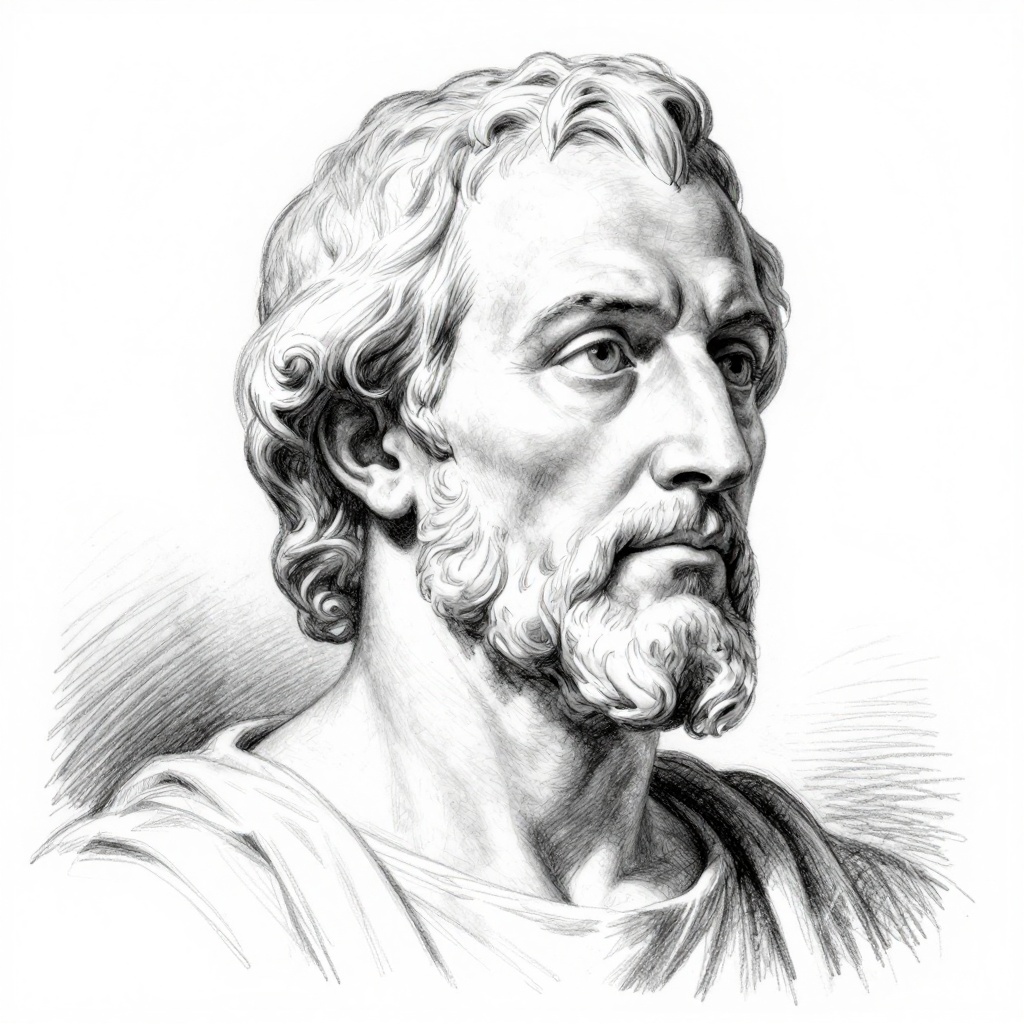
A tyrant must put on the appearance of uncommon devotion to religion. Subjects are less apprehensive of illega... — Aristotle
A tyrant must put on the appearance of uncommon devotion to religion. Subjects are less apprehensive of illegal treatment from a ruler whom they consider god-fearing and pious. On the other hand, they do less easily move against him, believing that he has the gods on his side.
Author: Aristotle
Insight: There's something almost cynical about this observation, yet it describes a manipulation tactic that shows up constantly—not just in history, but in everyday power dynamics. When someone wraps their authority in moral or spiritual language, it creates a kind of shield. People become hesitant to question them because questioning feels like questioning something sacred, not just their actual behavior. You see this playing out in workplaces where a controlling boss constantly invokes company values or "the mission" to justify why they can demand unpaid overtime. Or in families where a domineering parent claims everything they do is "for your own good" or "God's will." The piety doesn't have to be religious—it can be wrapped in ideology, tradition, or concern for the group. The mechanism is the same: it makes people feel guilty for resisting, turns legitimate complaints into faithlessness, and makes the powerful seem untouchable. What's particularly clever is how this works on both sides of fear. The ruler seems safe to trust because they're "good," but that same goodness makes people reluctant to organize against them. You can't easily rally others to resist someone the community has agreed is righteous. The appearance of devotion doesn't just make authority seem legitimate—it paralyzes the people who might otherwise question it.
Source: Politics, Book V, 1314b39