Quote · Added 14 February 2026
You must trust and believe in people or life becomes impossible.
Anton ChekhovThe Cherry Orchard, Act 3, 1904
No ratings yet
Quote · Added 14 February 2026
We live in an age that seems engineered to make trust harder. Every app warns us about strangers. News cycles amplify the worst in people. It's easy to slip into a stance where cynicism feels like realism—where trusting anyone becomes naive rather than necessary. But Chekhov's point cuts deeper than optimism. He's saying that without trust, life doesn't just become difficult; it becomes functionally broken.
Think about what actually fills a day without trust: every interaction becomes transactional and exhausting. You can't relax around colleagues or neighbors. You can't delegate or ask for help without second-guessing every response. Relationships stay shallow because vulnerability requires believing someone won't exploit it. The exhaustion of total suspicion is enormous—it takes more energy to distrust everyone than to take reasonable risks on people.
The non-obvious part is that Chekhov isn't saying trust blindly or never get hurt. He's saying the baseline posture matters. We choose whether to assume good intent by default or bad intent by default. That choice shapes everything downstream. Without some fundamental belief in people's capacity for decent behavior, you end up isolated, burned out, and cynical—not safer, just lonelier.
1860–1904·lived 44 years
Anton Chekhov was a Russian playwright and short-story writer known for his works like "The Seagull," "Uncle Vanya," and "The Cherry Orchard." He is celebrated for his realistic depiction of human nature and his ability to capture the complexities of the Russian society during the late 19th and early 20th centuries. Chekhov's works have had a profound influence on modern theater and literature.
Also by Anton Chekhov
It is compassion that moves us beyond numbness toward healing.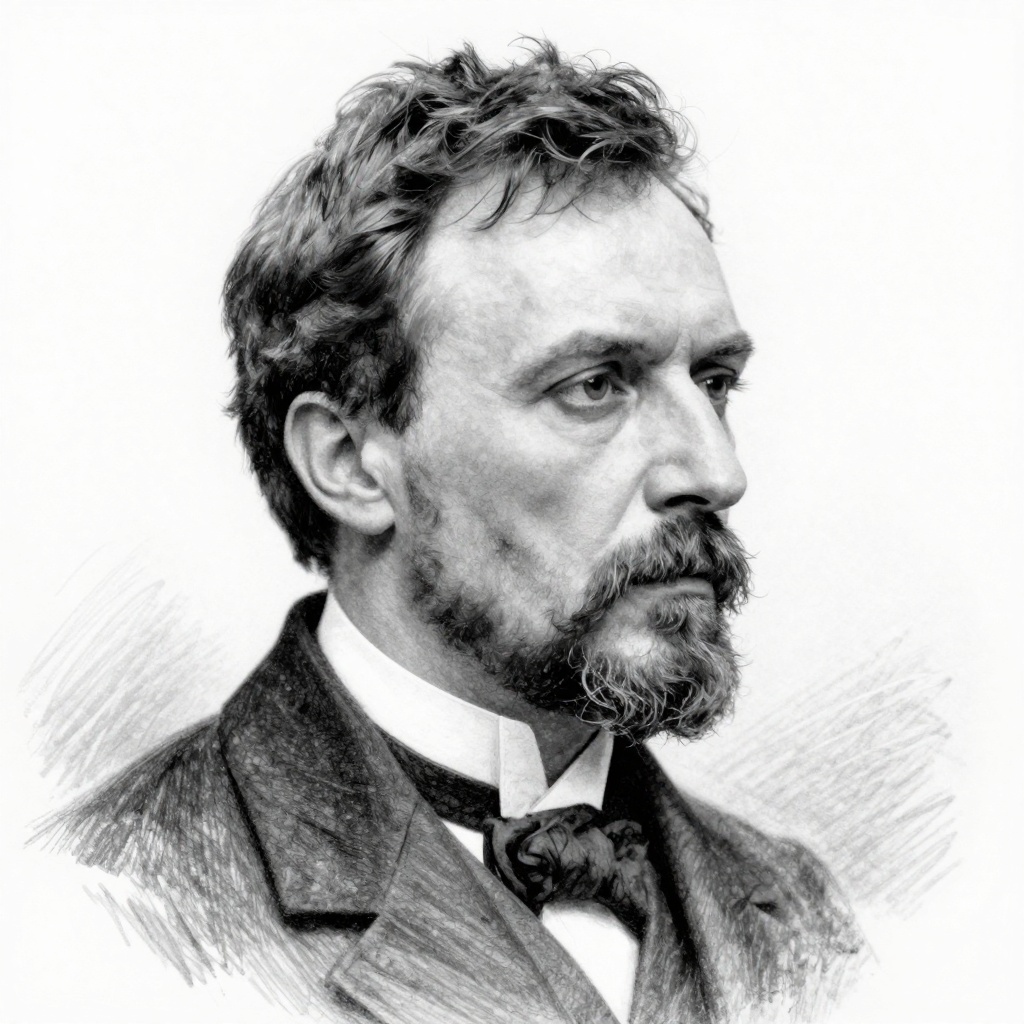
Comments