Quote · Added 29 November 2023
It is well known that those who do not trust themselves never trust others.
Alfred AdlerTheory and Application, Adler Graduate School, 2023
Filed undertrust·self·relationships
Quote · Added 29 November 2023
Filed undertrust·self·relationships
We tend to think of trust as something we either give or withhold based on what someone else does. But Adler points to something more unsettling: your confidence in other people is actually a mirror of your confidence in yourself. If you're constantly second-guessing your own judgment, you'll find reasons to doubt everyone around you. That coworker who seems genuine? You'll assume they're hiding something. The friend who listens carefully? You'll wonder what they really want. It's exhausting, and it creates distance everywhere.
The tricky part is that low self-trust often disguises itself as wisdom. We call it being cautious, discerning, or realistic. But there's a difference between healthy skepticism and the kind of suspicion that poisons every relationship. When you trust your own ability to read situations, set boundaries, and recover from mistakes, you stop needing to interrogate everyone else's motives quite so intensely. You can take people more at face value.
This doesn't mean becoming naively trusting of everyone. Rather, it means that building genuine confidence in yourself—your instincts, your judgment, your ability to handle disappointment—is what actually frees you to trust others. The work isn't mainly about fixing relationships. It's about fixing your relationship with yourself first.
1870–1937·lived 67 years
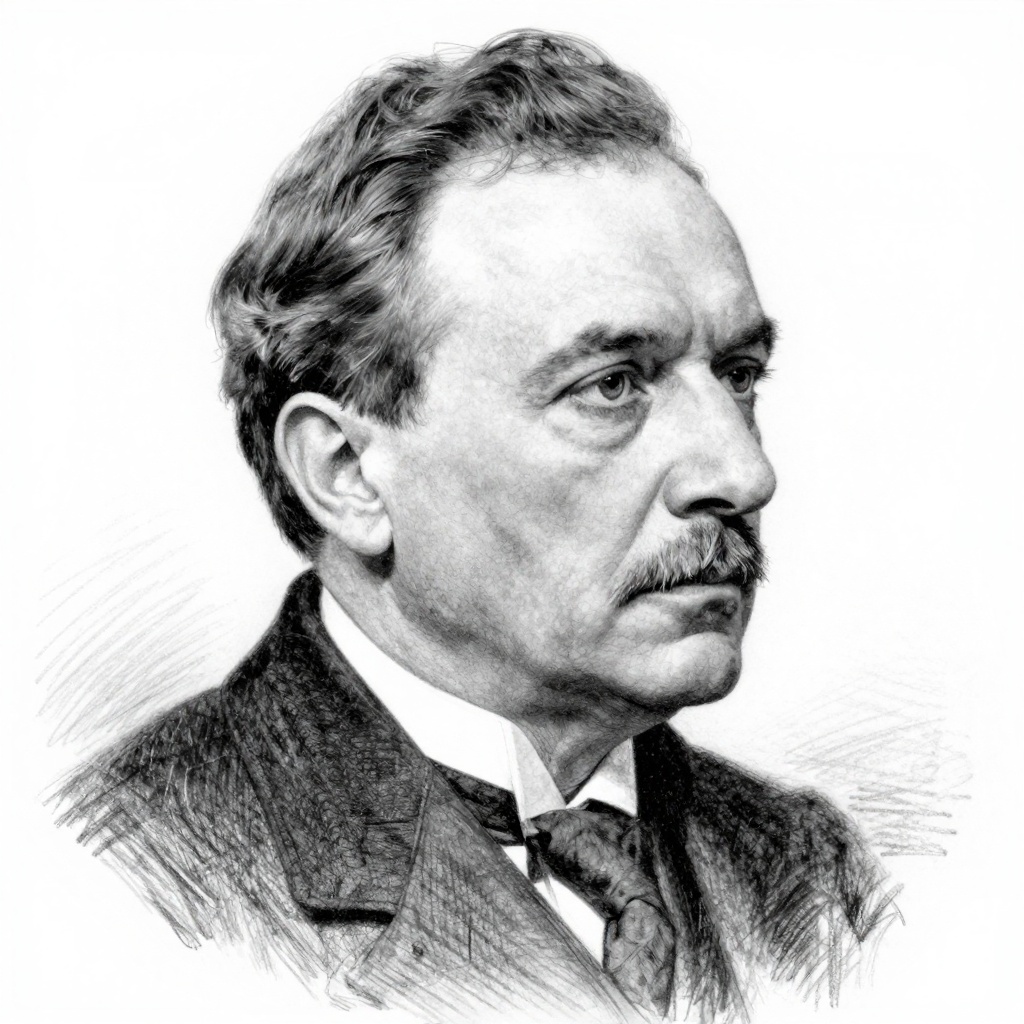
Alfred Adler (1870–1937) was an Austrian psychiatrist and founder of the school of individual psychology. He is best known for his theories on the inferiority complex and the importance of social factors in shaping personality and behavior. Adler also introduced the concept of the "inferiority complex" and emphasized the significance of striving for personal success and societal connectedness.
Comments