Quote · Added 14 February 2026
Reading
AI generatedThe Invisible Metric We Live By
It's easy to dismiss this as a visiting European's snobbish take on American greed, but what's interesting is how Tocqueville spotted something deeper than just materialism. He was noticing that Americans had invented a particular way of measuring whether something matters—and that measure was economic return. It wasn't cynicism he was describing; it was a kind of practical philosophy that had become almost invisible because it was so baked into the culture.
The uncomfortable part is recognizing this impulse in ourselves. When we're deciding whether to pursue a hobby seriously, take a job, or invest time in a relationship, how often does a version of that question creep in? Not always greed—sometimes just survival thinking, the need to know if something "pays off." We weigh hobbies against their monetization potential, consider whether a skill might lead to income, or wonder if a connection could be useful. It's not that we're uniquely materialistic; it's that we've absorbed a particular lens for deciding what's worth our limited time and energy.
The insight isn't that this is evil. It's that when you measure everything through one metric, you stop seeing what doesn't fit that measure—beauty, community, growth that doesn't compound into wealth. And you might miss entire categories of value that earlier generations took for granted.
The author
All 3 quotes by Alexis de Tocqueville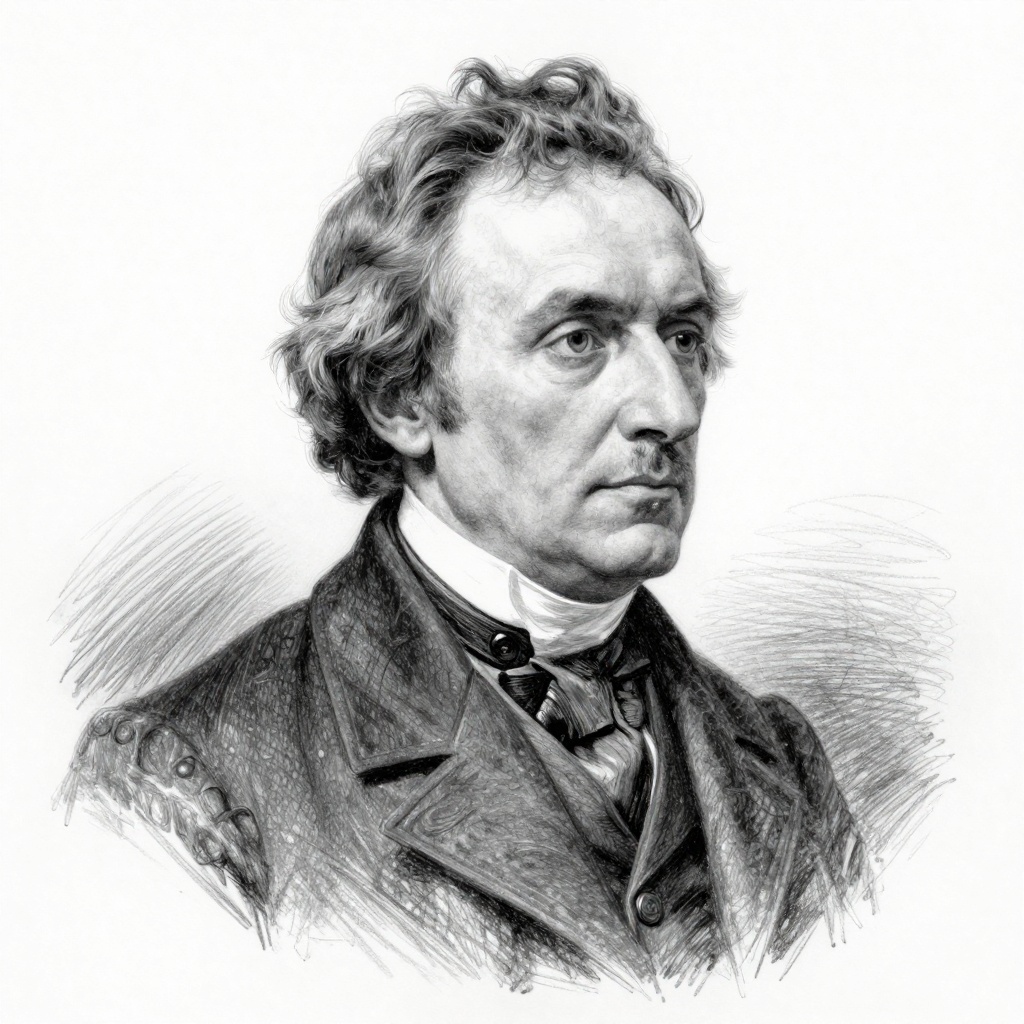
Alexis de Tocqueville
1805–1859·lived 53 years
Alexis de Tocqueville was a French political thinker, historian, and author, best known for his work "Democracy in America," published in 1835. He is renowned for his insightful observations on American society and politics, pioneering the field of political science and comparative government.
Also by Alexis de Tocqueville
I know of no country in which there is so little independence of mind and real freedom of...
Comments