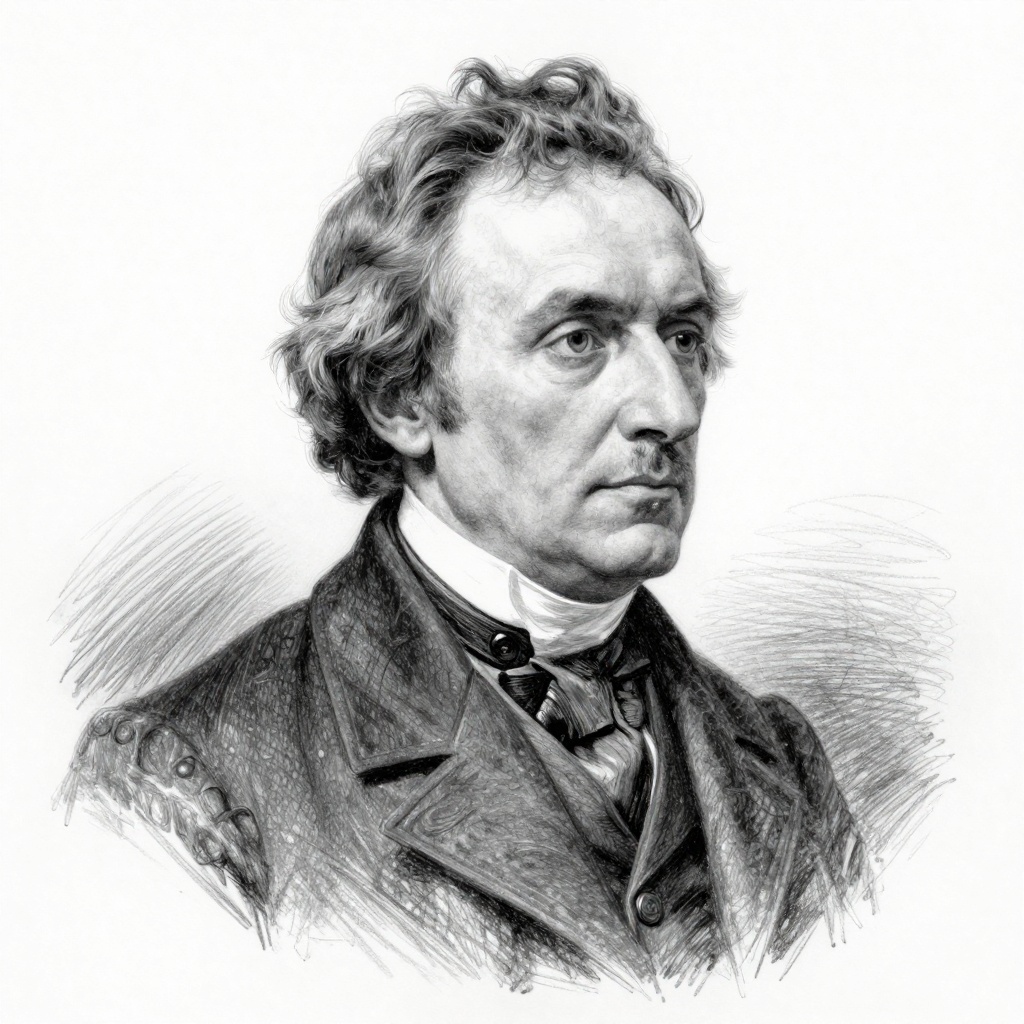
Armies are necessary, before all things, for the defense of governments from their own oppressed and enslaved... — Alexis de Tocqueville

Armies are necessary, before all things, for the defense of governments from their own oppressed and enslaved subjects.

Author: Alexis de Tocqueville

Insight: There's a hard truth buried in Tocqueville's observation that most of us prefer not to examine: institutions that concentrate power—whether governments, corporations, or even social hierarchies—eventually need force to maintain themselves. Not against external enemies, but against the people inside them who have legitimate grievances. It's why the most authoritarian regimes spend enormous resources on internal security, surveillance, and police forces. They're not mainly worried about invasion; they're worried about their own populations waking up. This connects to everyday power dynamics in ways we might not immediately recognize. Think about any organization where leadership grows distant from those doing the actual work. The moment workers start organizing, management talks about "order" and "discipline." The moment citizens demand accountability, authorities invoke "security" and "stability." The language changes, but the underlying logic stays consistent: force becomes the fallback when the people in charge have stopped earning consent. The uncomfortable insight here isn't that armies are bad. It's that their necessity often reveals something about the system they're defending. A government that rules with genuine legitimacy and fairness doesn't need soldiers standing guard against its own population. When we see that happening—whether in obvious dictatorships or subtler ways in democracies—it's worth asking what's actually being protected, and from whom.

Power reveals itself through force

Armies are necessary, before all things, for the defense of governments from their own oppressed and enslaved subjects.

There's a hard truth buried in Tocqueville's observation that most of us prefer not to examine: institutions that concentrate power—whether governments, corporations, or even social hierarchies—eventually need force to maintain themselves. Not against external enemies, but against the people inside them who have legitimate grievances. It's why the most authoritarian regimes spend enormous resources on internal security, surveillance, and police forces. They're not mainly worried about invasion; they're worried about their own populations waking up.

This connects to everyday power dynamics in ways we might not immediately recognize. Think about any organization where leadership grows distant from those doing the actual work. The moment workers start organizing, management talks about "order" and "discipline." The moment citizens demand accountability, authorities invoke "security" and "stability." The language changes, but the underlying logic stays consistent: force becomes the fallback when the people in charge have stopped earning consent.

The uncomfortable insight here isn't that armies are bad. It's that their necessity often reveals something about the system they're defending. A government that rules with genuine legitimacy and fairness doesn't need soldiers standing guard against its own population. When we see that happening—whether in obvious dictatorships or subtler ways in democracies—it's worth asking what's actually being protected, and from whom.

AI generated

Comments

Sign in to leave a comment or reply to one.

Sign in

Alexis de Tocqueville

Alexis de Tocqueville was a French political thinker, historian, and author, best known for his work "Democracy in America," published in 1835. He is renowned for his insightful observations on American society and politics, pioneering the field of political science and comparative government.

Graph

Related