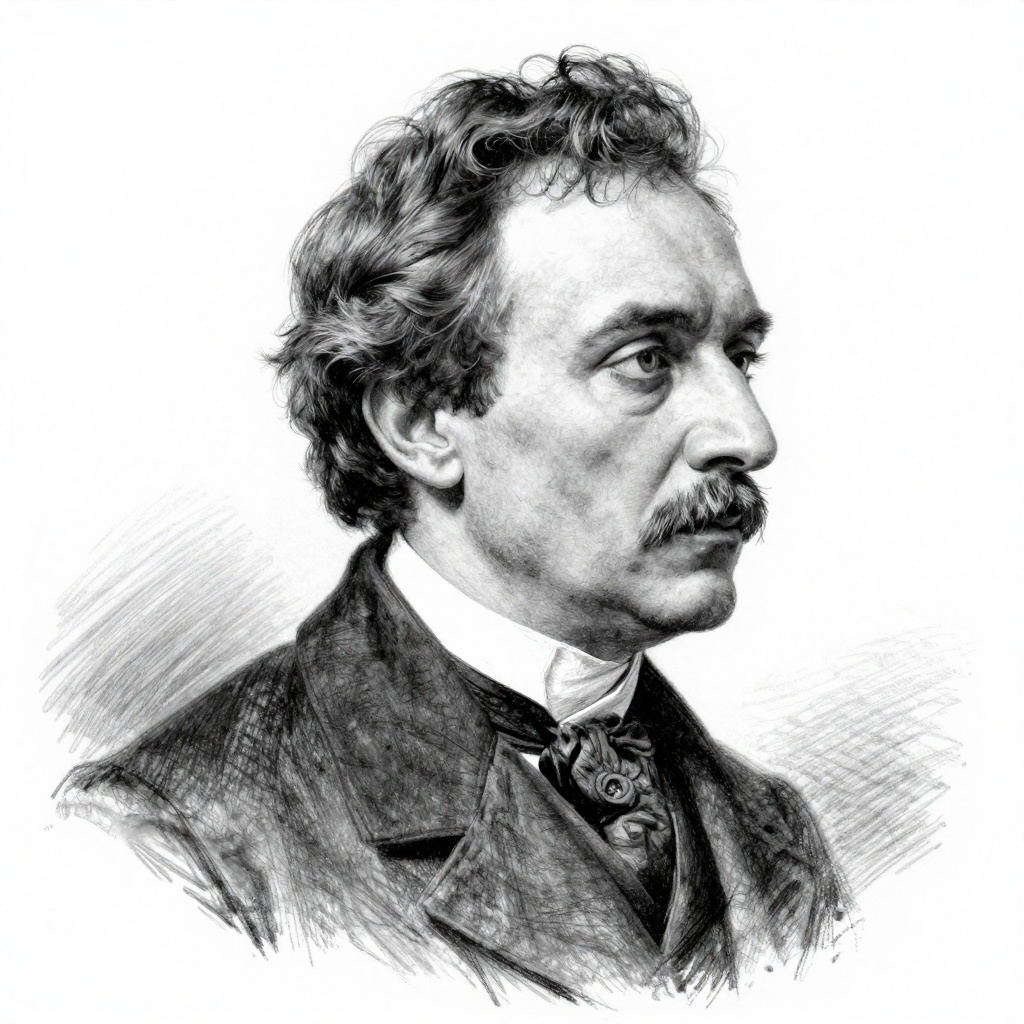
A person who doubts himself is like a man who would enlist in the ranks of his enemies and bear arms against h... — Alexandre Dumas

A person who doubts himself is like a man who would enlist in the ranks of his enemies and bear arms against himself. He makes his failure certain by himself being the first person to be convinced of it.

Author: Alexandre Dumas

Insight: Self-doubt is sneaky because it doesn't feel like you're working against yourself. It feels like realism, like you're just being honest about your limitations. But there's a crucial difference between healthy caution and the kind of doubt that paralyzes you. When you've already decided you'll fail before you even try, you're not being prudent—you're actively sabotaging yourself by withholding the mental energy, persistence, and risk-taking that actual success requires. The real trap is how this doubt becomes self-fulfilling. You apply for the job but interview half-heartedly because you're convinced they won't pick you anyway. You try the creative project but abandon it at the first criticism because you always knew it wouldn't work. Your own conviction of failure becomes the very thing that makes failure happen. It's like you've volunteered to be your own biggest obstacle. What makes this insight still relevant is that self-doubt hasn't gotten easier in our age of comparison and public judgment. If anything, we're all more aware of our flaws now. But the choice remains the same: you can doubt while still moving forward, or you can let doubt do the work that should only belong to actual failure.

Your own conviction creates failure

A person who doubts himself is like a man who would enlist in the ranks of his enemies and bear arms against himself. He makes his failure certain by himself being the first person to be convinced of it.

Self-doubt is sneaky because it doesn't feel like you're working against yourself. It feels like realism, like you're just being honest about your limitations. But there's a crucial difference between healthy caution and the kind of doubt that paralyzes you. When you've already decided you'll fail before you even try, you're not being prudent—you're actively sabotaging yourself by withholding the mental energy, persistence, and risk-taking that actual success requires.

The real trap is how this doubt becomes self-fulfilling. You apply for the job but interview half-heartedly because you're convinced they won't pick you anyway. You try the creative project but abandon it at the first criticism because you always knew it wouldn't work. Your own conviction of failure becomes the very thing that makes failure happen. It's like you've volunteered to be your own biggest obstacle.

What makes this insight still relevant is that self-doubt hasn't gotten easier in our age of comparison and public judgment. If anything, we're all more aware of our flaws now. But the choice remains the same: you can doubt while still moving forward, or you can let doubt do the work that should only belong to actual failure.

AI generated

Comments

Sign in to leave a comment or reply to one.

Sign in

Alexandre Dumas

Alexandre Dumas was a French writer born in 1802. He is known for his historical novels, such as "The Three Musketeers" and "The Count of Monte Cristo," which are still widely read and adapted into various media today. Dumas is celebrated for his storytelling skills, colorful characters, and vivid depictions of historical events.

Graph

Related