Quote · Added 14 February 2026
Wit is the lowest form of humor.
Alexander PopeThe Poetical Works of Alexander Pope, p. 64, 1806
Filed underwit·humor·perspective
Quote · Added 14 February 2026
Filed underwit·humor·perspective
We often picture wit as the smartest, sharpest form of humor—the kind that makes you feel clever for getting it. But Pope was pointing at something real: wit can be lazy. It's quick wordplay, puns, clever reversals. It makes a neat point and moves on. What it doesn't do is touch you. It doesn't make you recognize something true about human nature or feel less alone in your struggles.
The more interesting observation is how wit has become our default, especially online. We reward the snappy comeback, the perfectly timed one-liner, the person who can twist a phrase just right. But spend time around someone who can actually make you laugh in a deeper way—someone who finds humor in absurdity or contradiction or the simple mess of being alive—and you notice the difference. That laughter stays with you. It changes how you see things.
This doesn't mean wit is bad. It's fun, it's useful, it keeps conversations moving. But if that's all your humor is—if you're only ever the person with the perfect zinger—you're operating at a surface level. Real comedy, the kind that matters, requires vulnerability and observation. It asks you to look at the world and yourself honestly, then find the humor hiding in that honesty.
1688–1744·lived 56 years
Alexander Pope (1688–1744) was an English poet, best known for his satirical verse, epigrams, and translations. He is celebrated for his skill in the use of the heroic couplet and his works, such as "The Rape of the Lock" and "The Dunciad," are considered among the greatest in English literature.
Also by Alexander Pope
Blessed is he who expects nothing, for he shall never be disappointed.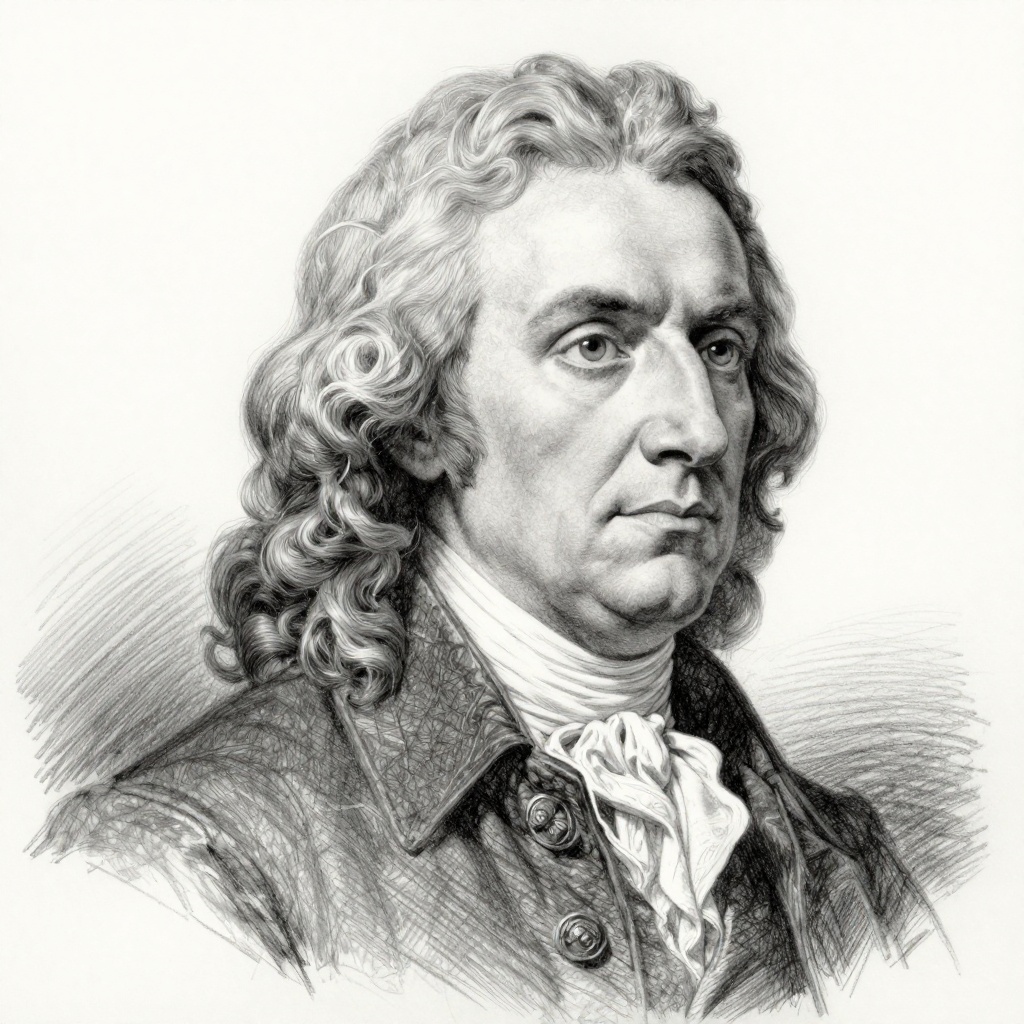
Comments