Quote · Added 14 February 2026
Hope springs eternal in the human breast: Man never is, but always to be blest.
Alexander PopeAn Essay on Man, Epistle I, 1733
Quote · Added 14 February 2026
We're wired to believe tomorrow might be better than today. That's not naïve—it's survival. Without some sense that things could improve, we'd probably just give up. But Pope is pointing at something trickier: we don't actually want to arrive at permanent happiness. We want to be reaching for it.
Think about how you feel when you get something you've wanted for months. The relief lasts maybe a week, then you're already eyeing the next thing. A promotion, a relationship milestone, finally finishing that project—the satisfaction is real but strangely brief. We mistake this for dissatisfaction, but it might just be how humans are built. The hope itself, the sense of movement toward something meaningful, might be more important than the destination.
The subtle danger is mistaking perpetual chasing for purpose. There's a difference between having healthy ambition and spending your whole life in the waiting room. The trick isn't killing hope—that would drain the color from everything. It's noticing when you're actually happy in the present moment, even while looking forward to more.
1688–1744·lived 56 years
Alexander Pope (1688–1744) was an English poet, best known for his satirical verse, epigrams, and translations. He is celebrated for his skill in the use of the heroic couplet and his works, such as "The Rape of the Lock" and "The Dunciad," are considered among the greatest in English literature.
Also by Alexander Pope
Blessed is he who expects nothing, for he shall never be disappointed.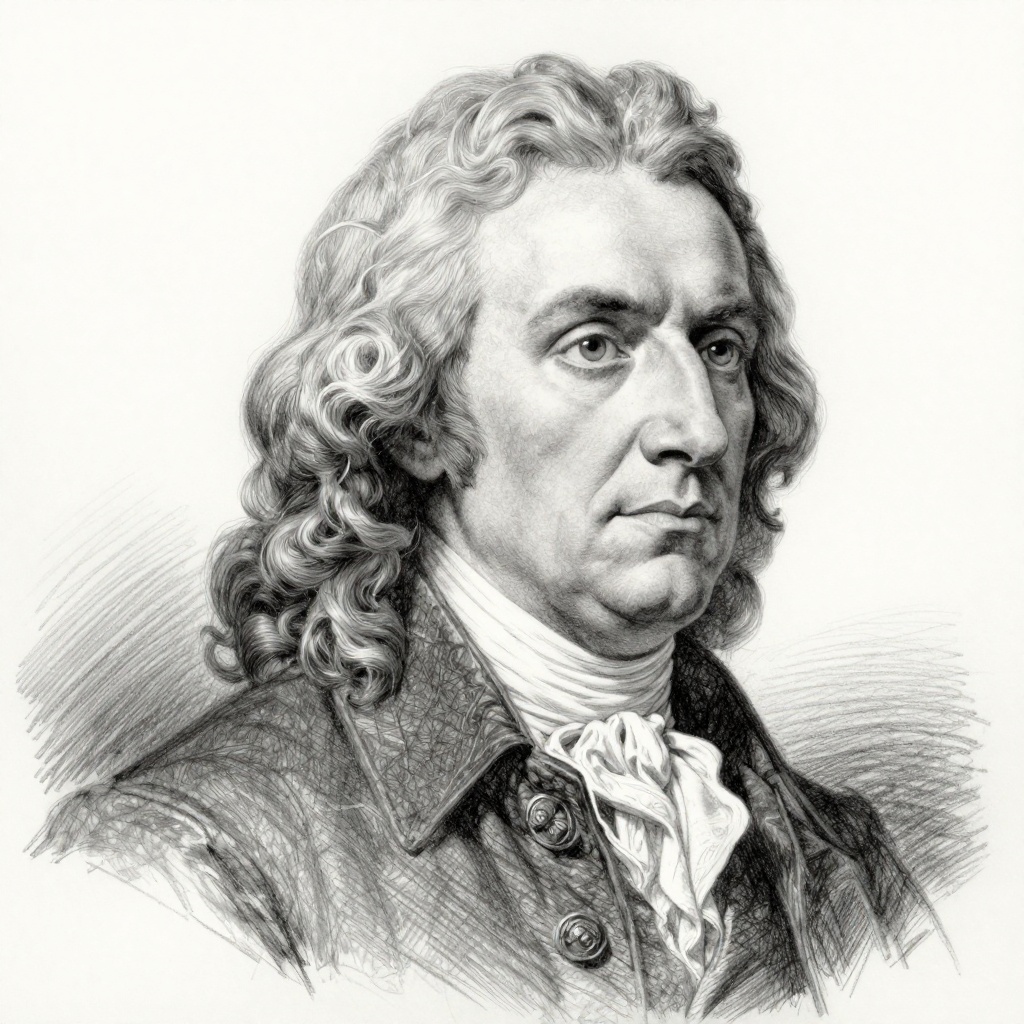
Comments