Quote · Added 14 February 2026
A work of art that contains theories is like an object on which the price tag has been left.
Alexander PopeAn Essay on Criticism, 1711
Quote · Added 14 February 2026
When art tries too hard to explain itself—when it pauses to convince you of its meaning or defend its message—something shifts. The immediacy breaks. You're no longer experiencing the thing; you're being sold it. That feeling of a price tag still stuck on is exactly right: it pulls you out of the moment and makes you aware of someone's calculation behind the scenes.
This matters because we live in an age of intentionality. Artists, writers, and creators constantly feel pressure to make their work "mean something" or to signal what it's about before you encounter it. A novel comes with author's notes. A painting comes with an artist statement. Sometimes this context helps, but often it closes the door on what makes art alive—the space where you bring your own meaning, where mystery does the heavy lifting.
The odd insight here is that the most powerful work often feels effortless, even when it's not. It trusts you to find what matters instead of pointing it out. That trust is what transforms something from a statement into an experience, from a message into something that actually lives in you. The best art doesn't tell you what to think; it gives you room to feel.
1688–1744·lived 56 years
Alexander Pope (1688–1744) was an English poet, best known for his satirical verse, epigrams, and translations. He is celebrated for his skill in the use of the heroic couplet and his works, such as "The Rape of the Lock" and "The Dunciad," are considered among the greatest in English literature.
Also by Alexander Pope
Blessed is he who expects nothing, for he shall never be disappointed.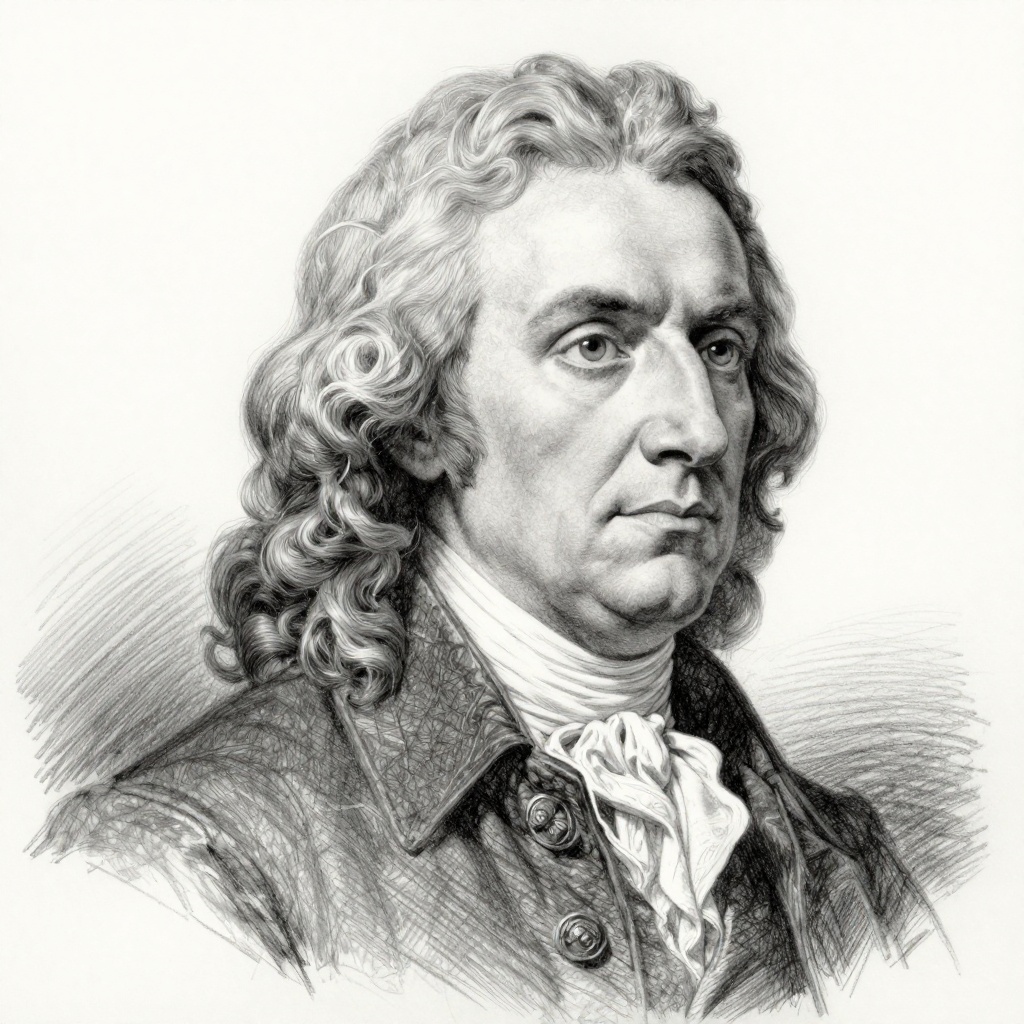
Comments