Quote · Added 8 February 2026
A little learning is a dangerous thing; Drink deep, or taste not the Pierian spring.
Alexander PopeAn Essay on Criticism, 1709
Quote · Added 8 February 2026
We live in an age where a quick Google search feels like expertise. Someone reads three articles about nutrition and suddenly they're confident giving dietary advice. They watch a YouTube video about investing and think they understand the stock market. This quote isn't just about avoiding shallow knowledge—it's a warning about the specific damage that comes from being just knowledgeable enough to be dangerous.
The tricky part is that a little knowledge actually feels pretty good. It gives you confidence, a sense of having figured something out. You can hold your own in conversation, spot obvious mistakes in others' thinking, maybe even help someone else who knows even less. That feeling of progress is real, which makes it hard to recognize you might be missing crucial context, exceptions, or the deeper patterns that only emerge after serious engagement with a topic.
Pope's point cuts both ways though. Yes, shallow learning can make us overconfident and lead us astray. But the flip side—actually drinking deep from a subject, really learning it—requires time, patience, and genuine curiosity. In a world that rewards quick takes and confident opinions, going deep feels almost rebellious. The choice isn't really between a little learning and a lot; it's between being comfortable with what you don't know, and pretending you've figured it out.
1688–1744·lived 56 years
Alexander Pope (1688–1744) was an English poet, best known for his satirical verse, epigrams, and translations. He is celebrated for his skill in the use of the heroic couplet and his works, such as "The Rape of the Lock" and "The Dunciad," are considered among the greatest in English literature.
Also by Alexander Pope
Blessed is he who expects nothing, for he shall never be disappointed.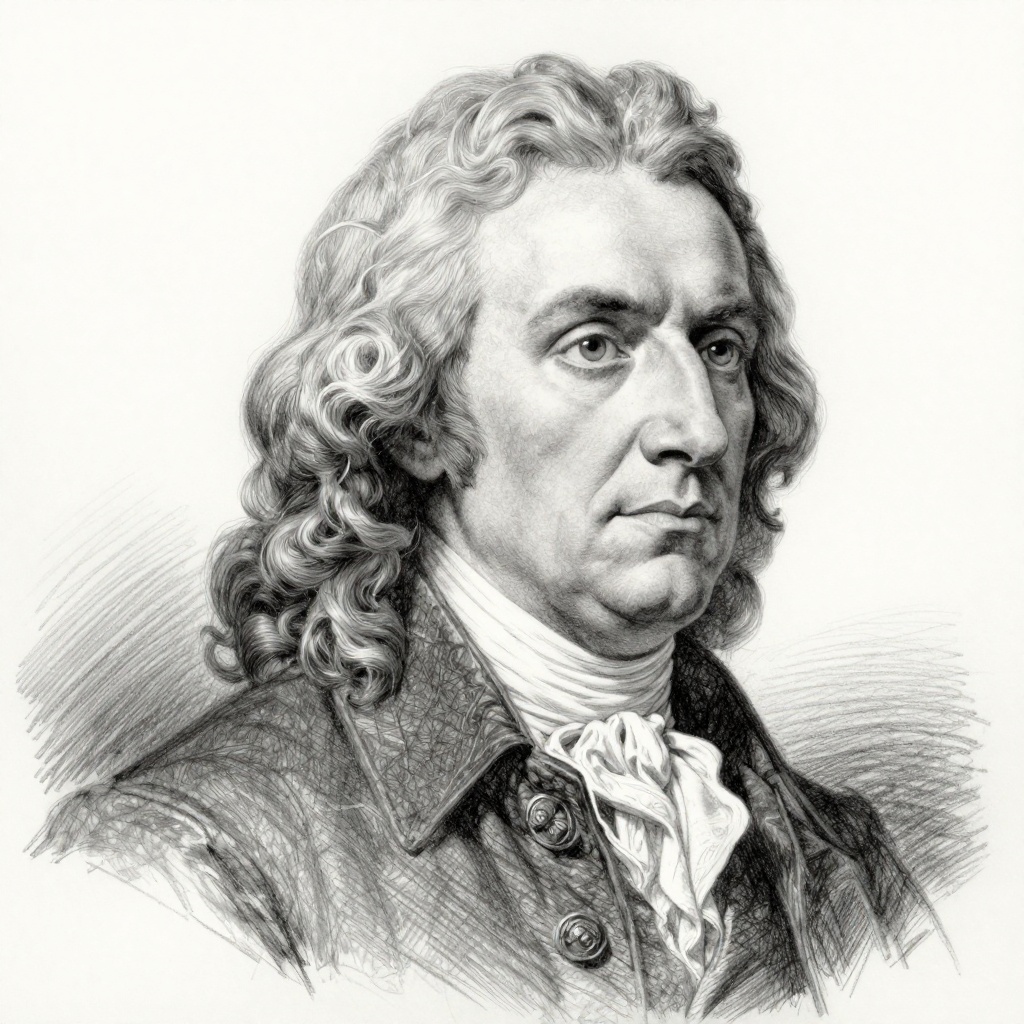
Comments