Quote · Added 14 February 2026
When I do good I feel good, when I do bad I feel bad, and that's my religion.
Abraham LincolnHerndon's Lincoln: The True Story of a Great Life, Volume III, Chapter XIV, 1889
No ratings yet
Quote · Added 14 February 2026
Most of us have felt that immediate internal feedback—the quiet satisfaction after helping someone, the nagging discomfort after cutting a corner or saying something unkind. Lincoln's point isn't complicated, but it's radical in how it strips away the need for external rules or authority figures. You don't need a priest, a rule book, or even a specific faith tradition to know when you're acting decently. Your own conscience tells you.
What's interesting is how much we try to override this signal. We rationalize, we distract ourselves with busy work, we convince ourselves the situation is different or justified. We numb the bad feeling rather than listen to it. But that internal compass is still there, working regardless of whether we acknowledge it. In a world where people often debate complex moral questions endlessly, Lincoln reminds us that sometimes the simplest test is the most honest one: How do you actually feel about what you just did?
This isn't about being naive or ignoring context. It's recognizing that your gut reaction—that immediate sense of whether something sat right with you—is closer to wisdom than any elaborate justification you construct afterward. The challenge isn't figuring out what's right. It's having the courage to actually feel what you already know.
1809–1865·lived 56 years
Abraham Lincoln was the 16th President of the United States, serving from 1861 until his assassination in 1865. He is best known for leading the country through the Civil War, preserving the Union, and issuing the Emancipation Proclamation that led to the abolition of slavery in the United States.
Also by Abraham Lincoln
My best friend is a person who will give me a book I have not read.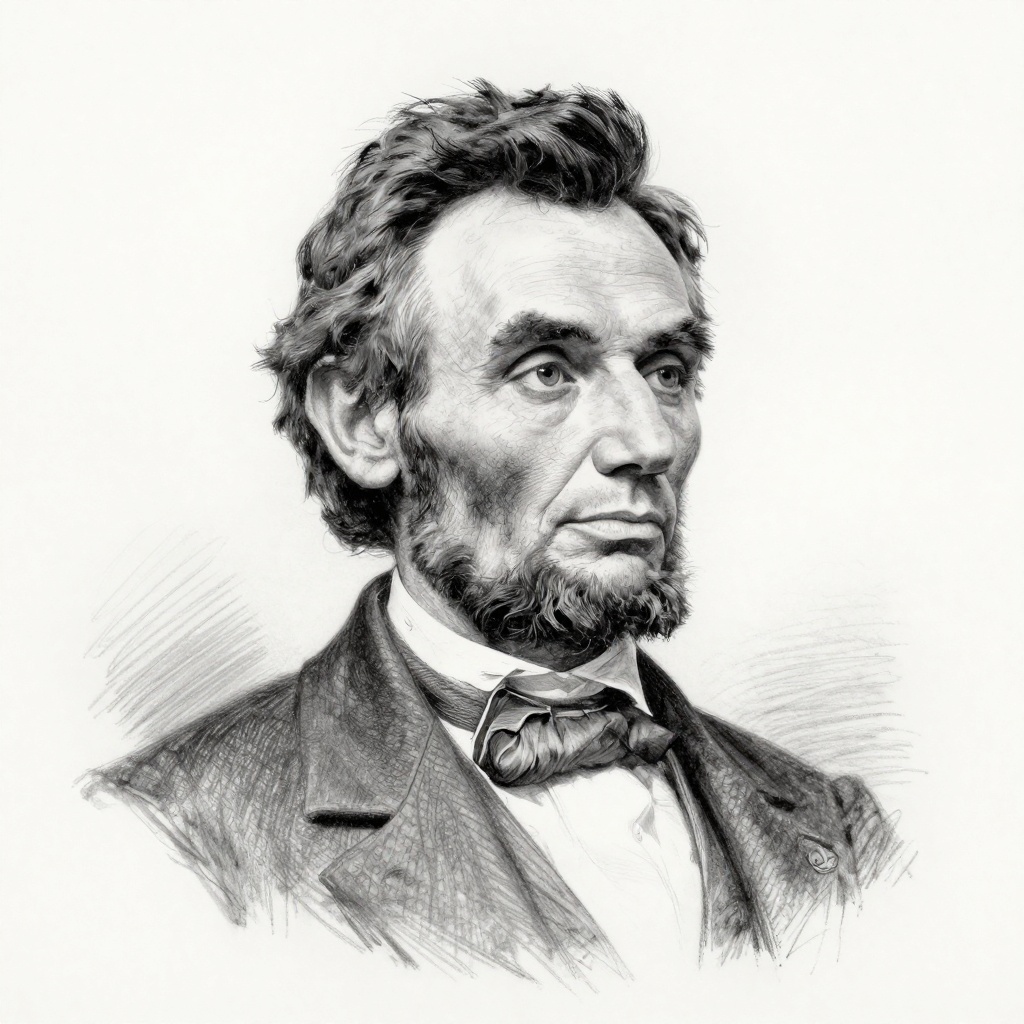
Comments